
Description of good knowledge and skills in heritage language learning completing basic education at the end of grade 6
Content area 1: Acting in interactive situations
The pupils practice cooperation skills, such as listening and taking initiative, and also make presentations that utilise local possibilities and the media. They practise assessing their own actions and receiving feedback.
(Objectives 1-3)
Objective 1: To encourage the pupil to act in different interaction situations
-
You can participate in known routine conversations (interactions), but sometimes reply still in Finnish.
Example: Students can react to simple questions:
- How are you?
- What is your name?
- Please introduce yourself
- Where are you from?
- How old are you?
-
You understand different interaction situations (conversations about different subjects) and you can reply in your heritage language.
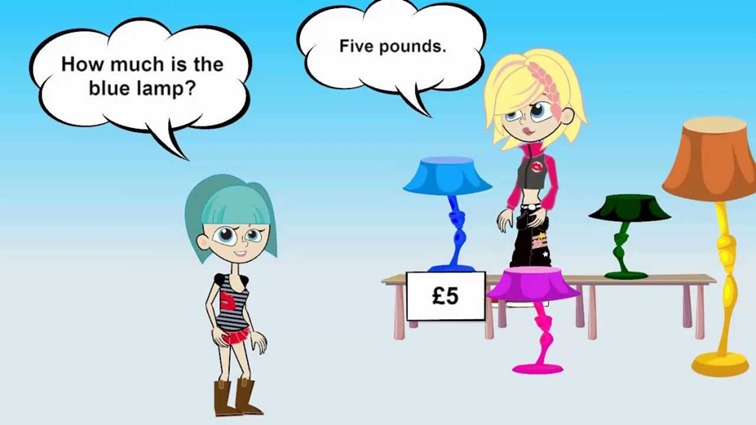
Example: The student knows how to communicate when shopping in own heritage language, how to place an order in a restaurant.
These skills can be practised by role play.
-
You can apply your language skills in your heritage language in interaction situations which are familiar to you.
Example: Students can tell about things in their daily life, the weather etc. 
Studnets can interview each other about what they have done today/in the
weekend /during the holiday and tell in their own words what their classmate
told them.
-
You can participate in diverse interaction situations. You listen to the views of group members, take other into account, and take initiative in interaction situations.
Example: corners:
- In two of the classroom corners there are printouts with opposite statements,
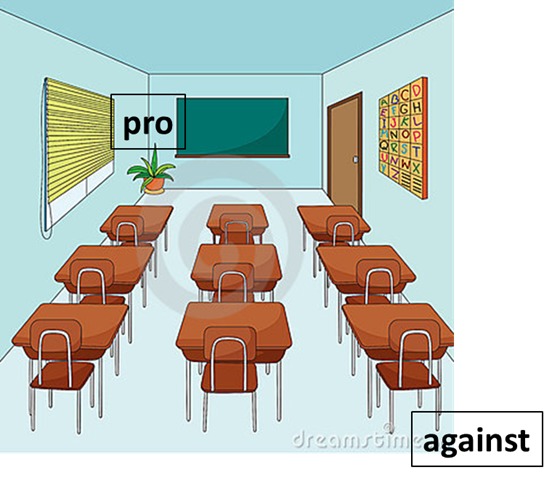 e.g.“Meat consumption is healthy” versus “Meat consumption is unhealthy”.
 - Each pupil goes to the corner of his/her preference and while there, they discuss in pairs the reasons for their choice.

- Afterwards, half of them move on to the opposite corner and form pairs with pupils from that corner. One pupil then agrees with the statement, while the other one is against it. They negotiate, with either pupil defending their choice and remembering the opponent’s arguments.
- Finally, pupils return to their original corners and summarize the arguments quoted by pupils from the opposite corner.
- In the ensuing classroom discussion the teacher asks the pupils why their partners chose the opposite corners.

- The corner selection is a manifestation of independent thinking. The game encourages pupils to express individual opinions, it teaches negotiation techniques and collaboration skills, such as listening and summarizing.
- The game duration is between 10 and 15 minutes (depending on the amount of statements used).
Example statments:
- The illegal download of music and movies needs (not) to be tackled harder.
- Children may (not) have a sign with "forbidden access" on the door of their own room.
- On social media you can/cannot write things about some one else.
- Violent (computer) games should (not) be banned.
- The testing of cosmetic products on animals must be prohibited/permitted.
- Children may (not) occasionally lie to their parents.
-
You take actively part in various interaction situations and help others to communicate.

Example: In group work the student can take the role of organiser or mediator
- ensure that the group stays at work.
- ensure that everyone participates and gets the chance to say something.
- If something is discussed, give turns to talk.
- ask every person in the group if he understands what needs to be done.
- If this is not the case, ask the group to stop for a while and explain.
- If nobody in the group knows the answer, ask the teacher.
Mediator
- encourage the people in the group to participate and cooperate with each other.
- Asks the peers what is their opinion about the subject
- encourage the people in the group to help each other.
- give the people in the group a compliment if they do something right.
- Make sure that nobody is left out
-
You can summarize the interaction situations in your heritage language.
- write the answer of the group.
- discuss with the group what will be reported .
- briefly summarize the assignment to present the report for the class.
- during debriefing tell what has been done and how it has been done on behalf of the group and how the group have cooperated.
- organize the presentation and ensure that everyone has a task in this.
Objective 2: To encourage the pupil to use different means of expression in group and interaction situations
-
You take part in interaction situations without using words (you use signs/expression/drawings) or using Finnish

Example: The teachers tells a story/situation; students are able to name, draw, show pictograms or play out the feelings that are expressed in the story
To find example stories: http://www.shortkidstories.com/story/
Before the story is told, the different emotions can be discussed with the students. They can draw their own emotions cards, or emotion cards can be made by taking picture of the different emotions expressed by the children them selves.
-
You understand there are different ways to express yourself, but use is still passive.
Students know the different ways to address people, and know there are different ways to express yourself in different situations/context. However he/she is not able to write a good dialogue, or speak correct without help.
Example: Student can put the right dialogues,wayse to address people etc. with the right situation:
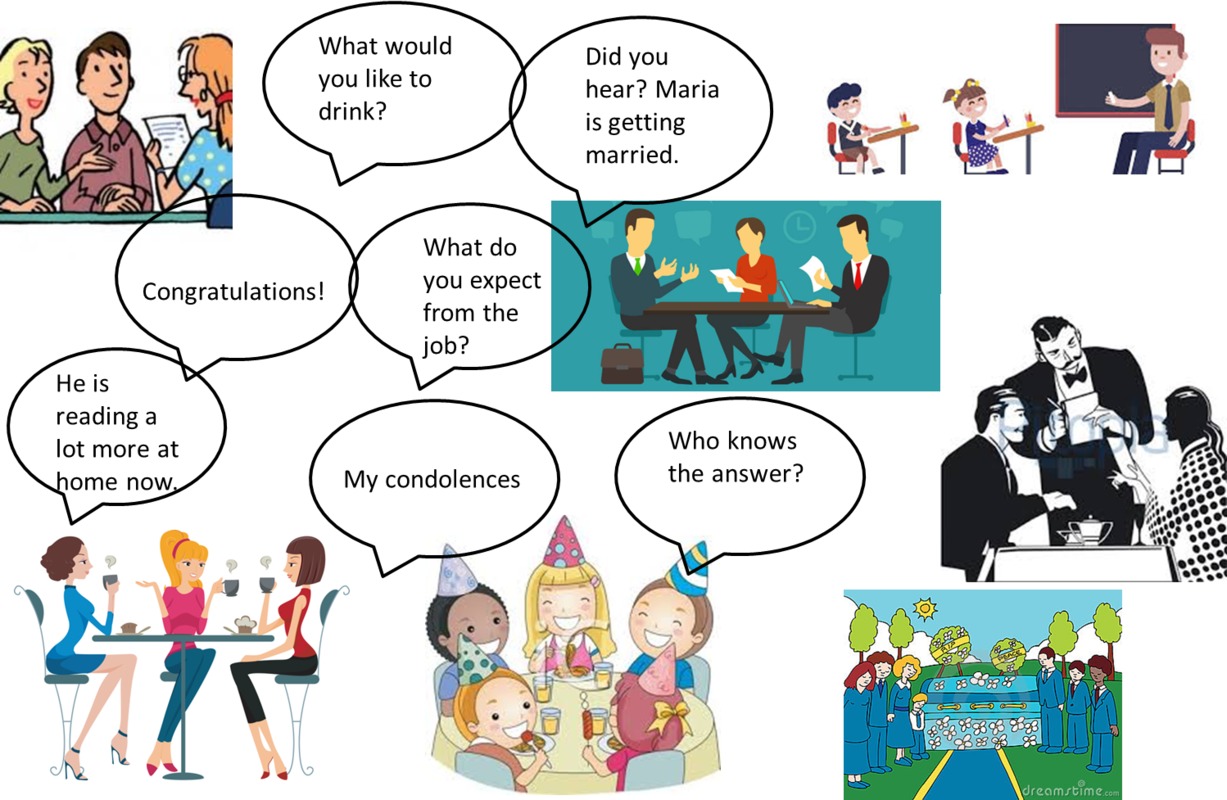
Worksheet: What would you say.png
-
You know how to express yourself, but you still make mistakes.
Example: Do role plays in different situations: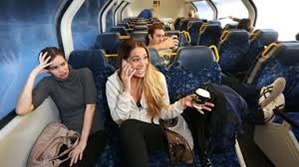
- Restaurant (ordering, conversation, reservation, complaining)
- Birthday of your friend
- Birthday of your grandmother
- Train
- Waiting room of the dentist
You can give a picture/photo (as in previous) of interaction situations, and the students write the text balloons with the different situations themselves.
-
You are able to use different means of expression
Same as previous, but without help of teacher. Also phone calls can be practised. In which the receiver and the caller have different information and tasks. Some example phone call situations: T2_8 phone conversations.docx
Things to keep in mind when making a phone call:
How to introduce yourself. How to speak in a polite manner. Explain why you are calling. Make sure the information you give is clear. Make sure you are understood. Repeat what you have agreed on. End the phone call in a polite way.
-
You use rich means of expression in a diverse manner in your heritage language in the context of your own culture.
Socio-metrics on a Continuum
The students place themself's on an invisible line in the room. The teacher will read a statement the students respond by placing their body on the line. One side of the line is strongly agree and the other side of the line is strongly disagree. The students discuss their position on the line.

- “My family has a tradition or custom.”
- What is it? Why does your family value this tradition custom?
- “I believe culture is important.”
- Why, how is it important in your life
- “I believe culture is something to be proud of.”
- Why?
- “Culture is what makes me who I am.”
- How?
-
The pupil creates new, contextually appropriate (linguistic and cultural) expressions.
Example: Creating new words, which do have a clear meaning in todays context (and the students culture):
- App accident: accident involving a road user who was using an app
- Crypto fever: excessive tendency among a large group of people to invest in crypto coins such as bitcoins
- Rainbow language: gender-neutral language
- Take some news items, inventions, happenings from last year and think of appropriate new words.
- People invent new words all the time, but which ones actually make it into the dictionary?When lexicographers decide what words to add to dictionaries, they try to imagine what words people actually want to look up. There are two important factors to keep in mind here: 1) Is the word in widespread usage? 2) Does the word have staying power?
Objective 3: to guide the pupil to assess his or her own activities and to give and receive feedback
-
You can give feedback in simple sentences or gestures.
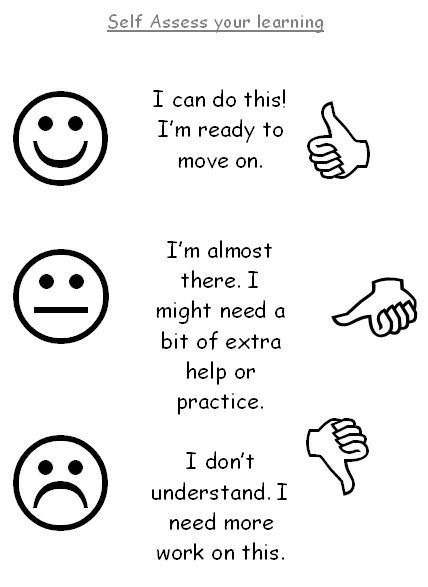
Example: Student can evaluate a book/presentation by marking stars, or giving a smiley, or showing their thump. Or by words saying good/bad/nice but not indicate why
-
You can give simple feedback by filling in a form.
-
You can make self evaluations and give feedback, but it is not constructive or objective.

Example: The student can express an opinion orally or written but cannot tell yet how to improve what is going wrong. After reading a written text, they can tell if it was nice, engaging, boring etc. but not tell how to make it less boring for instance.
-
With guidance, you are able to assess your actions and give and receive feedback
Example: After a student or peer did a task he can answer: 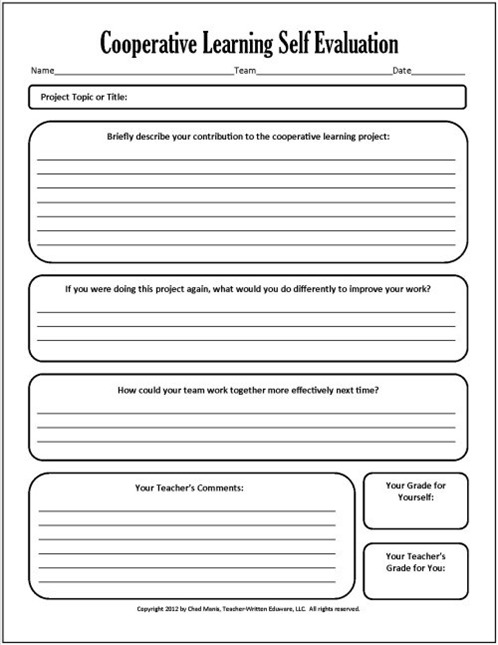
- What went well?
- What good be better?
- How?
-
You constructively evaluate your activities and receive and give feedback.
 Example: You can write your own goal and action plan
-
You constructively evaluate your activities and receive and give feedback and improve your work according to the feedback.

Zimmerman and Campillo’s phases and sub processes of self regulation (as cited in Zimmerman, 2002, p. 67).
Competence 2: Interpreting texts
The pupils work diversely with different texts in order to strengthen their relationship with the textual world in their heritage language. They advance their reading and text comprehension skills by exploring different spoken and written texts, particularly narrative, descriptive, and simple argumentative texts. The pupils practise text comprehension strategies, including asking questions, glancing through a text, and summarising. They discuss texts, share reading experiences, and advance their knowledge of how different texts are constructed. The pupils expand their vocabulary and resource of expressions.
(Objectives 4-6)
Objective 4: to encourage the pupil to pursue reading and use texts in his or her language according to his or her language proficiency
-
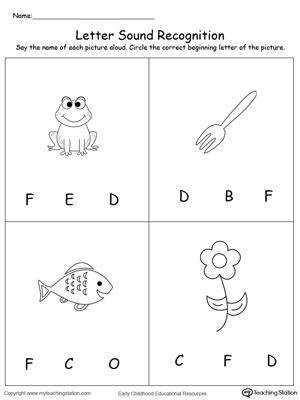
You recognise the alphabet and the reading signs of your heritage language and voice / letter / character combinations
-
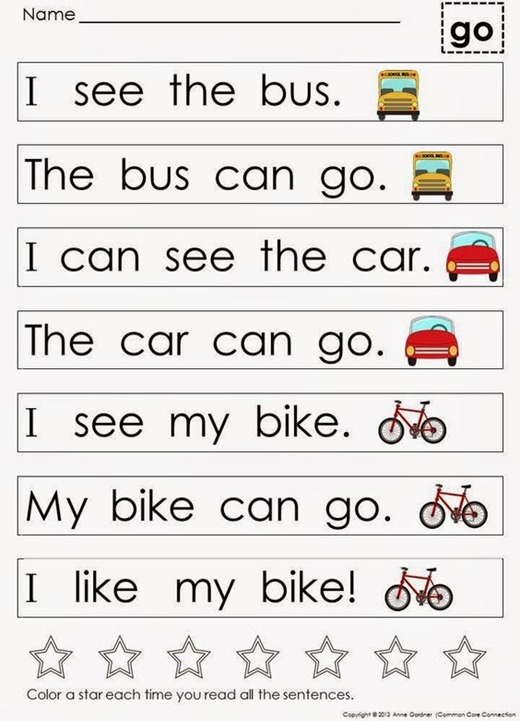
You can read words and single sentences

-
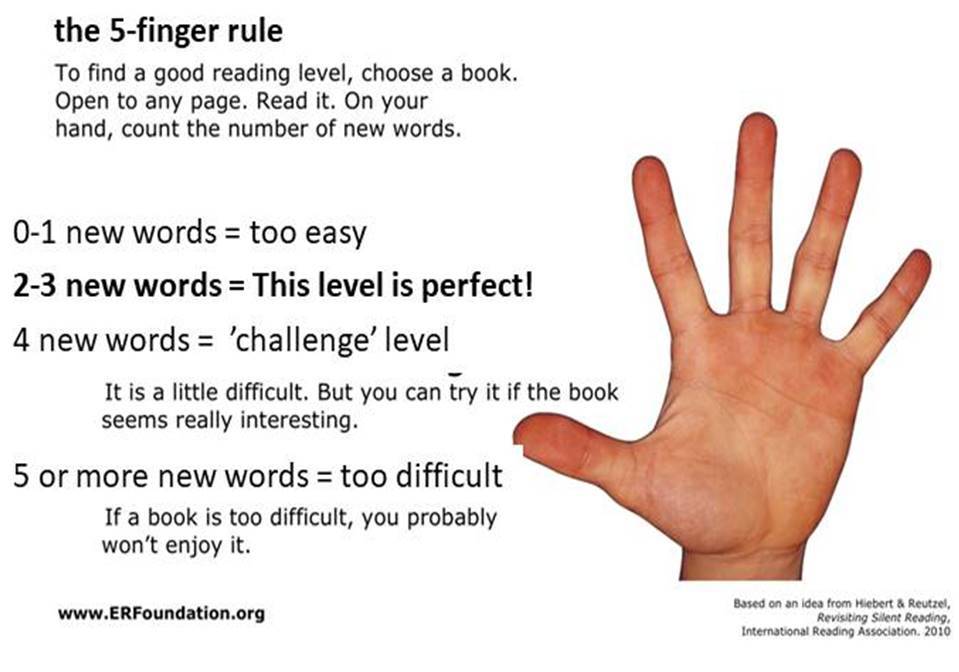
You can read simple texts of your own choice, such as cartoons and short stories.
-
The pupil reads the agreed books and text excerpts
 Example: The students learn about the different text types and purposes. They will read different kind of text (exp. narrative, descriptive and simple argumentative) and compare them.
-
You read the agreed works and understand the difference between factual information and interpretation.
Example: the student can make comprehensive reading exercises. 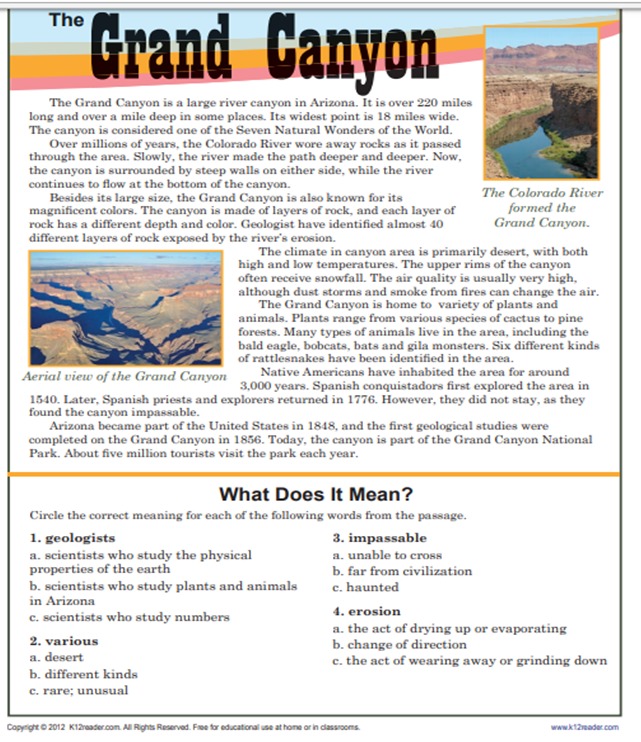
-
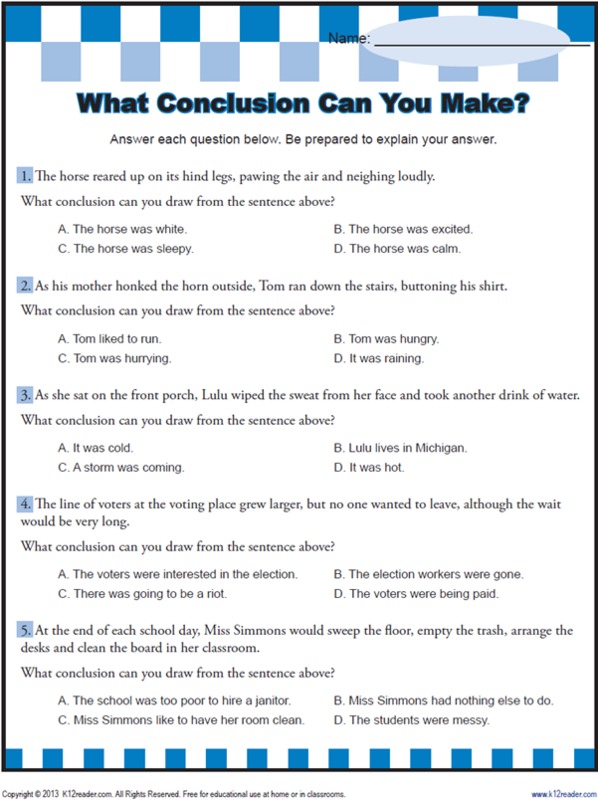
You can draw conclusions based on what you read.
Objective 5: to guide the pupil to further the fluency of his or her basic literacy, and to develop his or her text comprehension skills
-
You need a lot of help with reading

Simple texts can be read together with the teacher. Pronunciation needs to be corrected and meaning of words needs to be clarified.
-
Your basic literacy is getting more fluent, but you still make mistakes in reading. You understand the meaning of individual words.
 Simple texts can be read independently. Pronunciation needs to be corrected still but most meaning of words are clear. Student can read a text and summarize it in his own words.
To let the students read more versitile books and make it into a game, bingo cards can me used. You can add different themes, genres, writers to the card. Or you can make a card that a book has to be read at different places or in different ways.
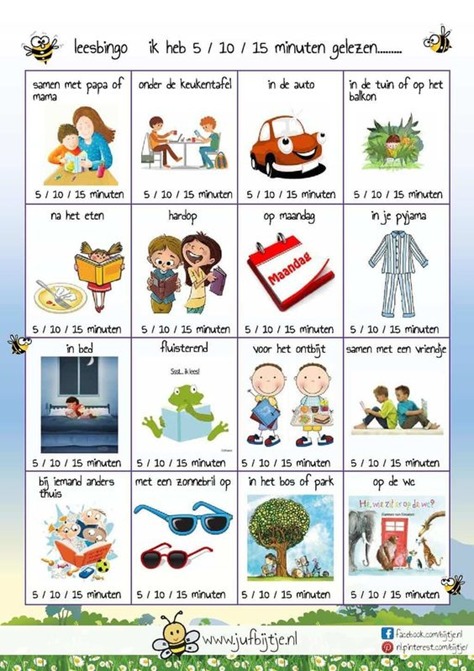
(Explanation of the bingo card at the right: I have read 5, 10, 15 minutes 1. together with a parent, 2 under the kitchen table, 3 in the car, 4 in the garden or at the balcony, 5. after dinner, 6. out loud, 7, on Monday, 8. in my pyjamas, 9. in bed, 10. wispering, 11. before breakfast, 12. together with a friend, 13. at a friends house, 14. with my sunclasses on, 15. in the forest or the park, 16. on the toilet. )
bookbingo.png
-
You understand part of the core issues and use the basic strategies of understanding, for example, making questions

Example: Student reads a story and makes a Kahoot about it for the other students/draws the story in pictures
kahoot
-
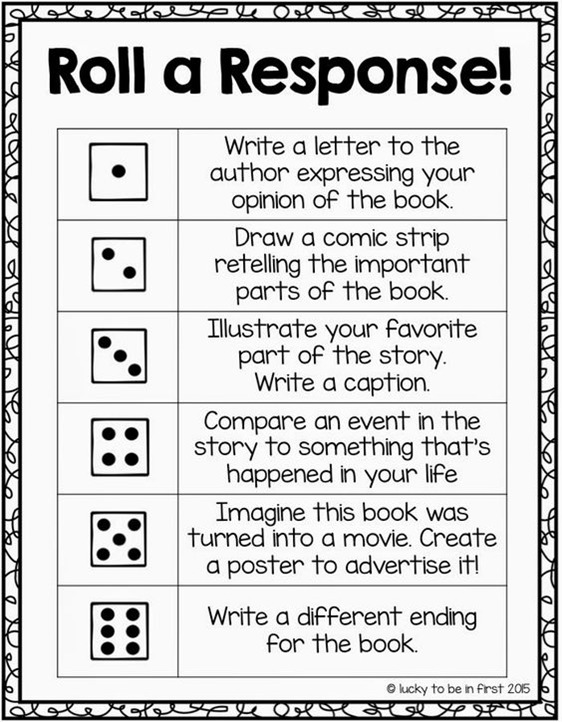 Your basis literacy has become more fluent. You are able the grasp the key contents and to use some basic comprehension strategies, for example asking questions and drawing conclusions.
-
Your basic reading skills are fluent. You understand the core issues of the content and you use the basic strategies of understanding, questions and to drawn conclusions.
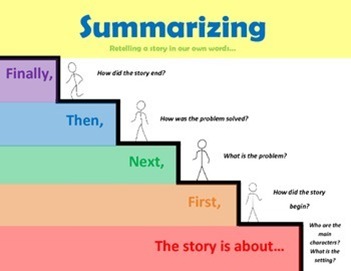
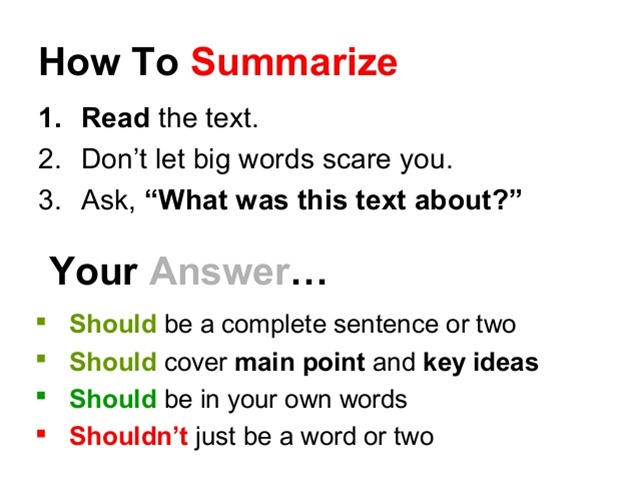
Example: the student can summarize the information found in different text to a relevant whole with the main core goals of the text.
-
You have the right intonation. You understand the content and use the strategies of understanding, making questions and drawing conclusions.
Example: the student can read a text with the right pronunciation and intonations (this shows that you understand what you read).
Objective 6: To guide the pupil to use his or her literacy and texts to gather experiences, to acquire and assess information, as well as to discuss texts
-
You can read, but limit yourself to reading of familiar topics.
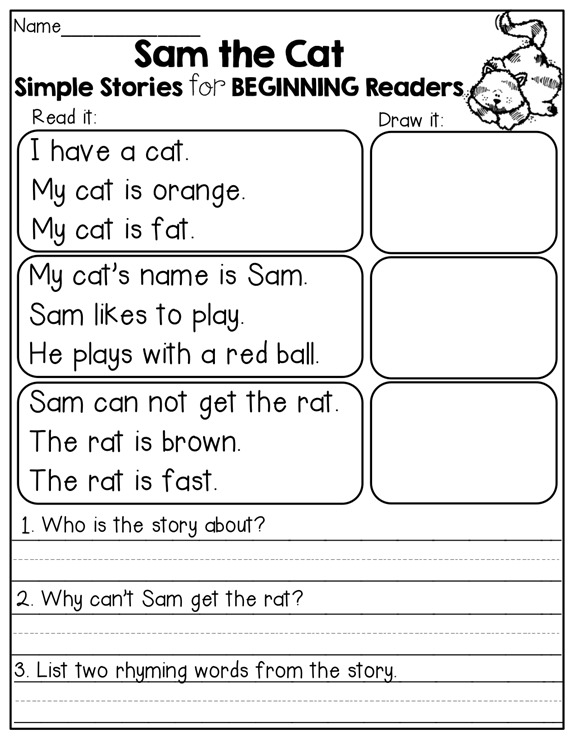
Text need to be concrete and the subject familiar.
-
You understand what you read, but you need help to find the relevant sources of information
-
You can use your literacy skills and texts to gain experiences, acquire and evaluate information but need occasional help and you are able to discuss about your own experiences.

Example: The students can work in groups or pairs at the same assignment and share/discuss the information they found.
-
You are able to utilise your literacy and texts to gather experiences, to acquire and assess knowledge, as well as to discuss texts while relying on your personal experience.
Example: Student is able to gain information from different sources and make a presentation about a subject in his own heritage language.
-
You are able to utilise your literacy and texts to gather experiences, to acquire and assess knowledge, as well as
 to discuss texts while relying on your personal experience. You can analyse texts and discuss the knowledge in your heritage language.
Example: You can prepare yourself for a position in a debate, by gathering knowledge about the subject and defending your opinion on this, substantiated by the acquired knowledge.
-
You use your literacy skills to read about your heritage culture, and you are able to compare this with other cultures.
 Example: The student can lead a discussion about a book that was read by the class. It can compare aspects in the book with everyday life and mark the differences and explain why.
Exp. Historic roman about their home country
Content area 3: Producing texts
The pupils practise the stages of the writing process and text structure. They practise handwriting and keyboard skills as well as the special features of the spelling of their heritage language and using them in their own texts. They write texts independently and together with others as well as discuss and give feedback on them.
(Objectives 7-9)
Objective 7: to help the pupil develop his or her expression and a positive attitude towards writing according to his or her language proficiency
-
You write according to fixed expressions.
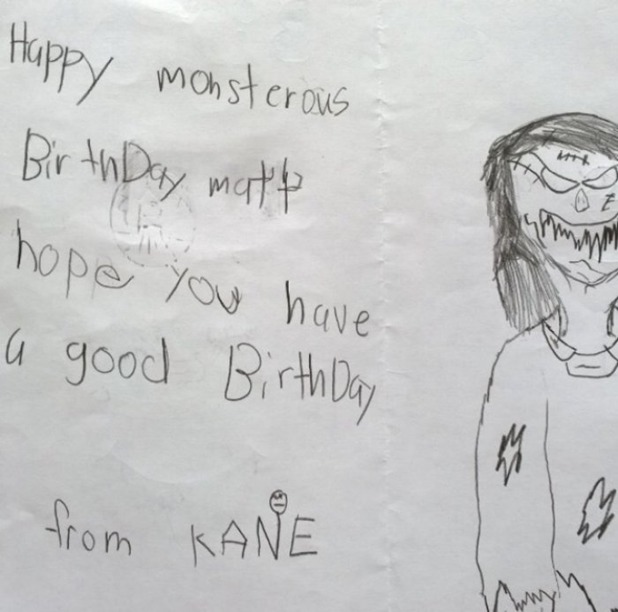
Example: student can write a birthday card, Christmas card or text message/email to say he will be late, playing by a friend.
-
You can write a limited number of different expressions correctly, but your writing is not diverse.
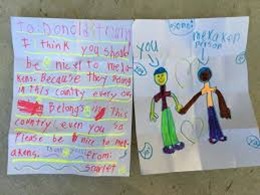 Example: student can write a short letter to a friend/ holiday card/email (or to Donald Trump).
Template letter from camp.png
Template letter from camp 2.png
-
You use a variety of tools (teacher, dictionary, peers) to find different expressions to produce a text.
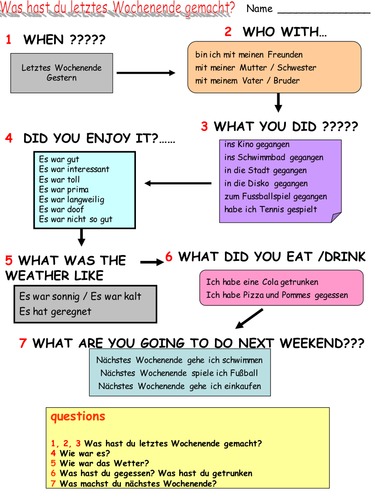
Example: student can write a letter or short story about something they did (weekend/ school day/visit/holiday), with help of questions, worksheet, dictionary, peers, teacher etc.
-
You are to some extent able to use different expressions in your texts.
 Example: student can write a letter or short story about something they did (weekend/ school day/visit/holiday) without help.
-
You are able to use different expressions in your texts.
Example: Writing a letter to a class mate (or somebody in students home country), and replying on a received letter.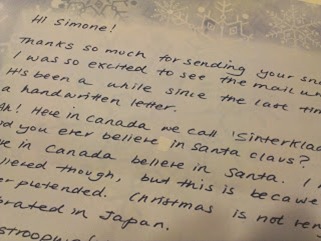
-
You are able to express yourself using the vocabulary of various subjects.
 Example: Writing a letter to an unkown person in your heritage language to ask information about his/her specialty.
e.g. Writing to a museum or embassy to ask something information about heritage language history/ geography /politics /culture.
Objective 8: to encourage the pupil to practise his or her basic writing skills and text production skills as well as to improve their fluency
-
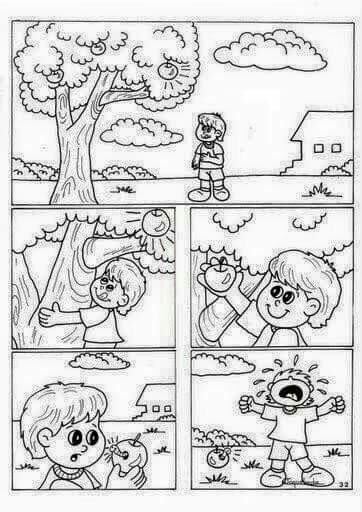
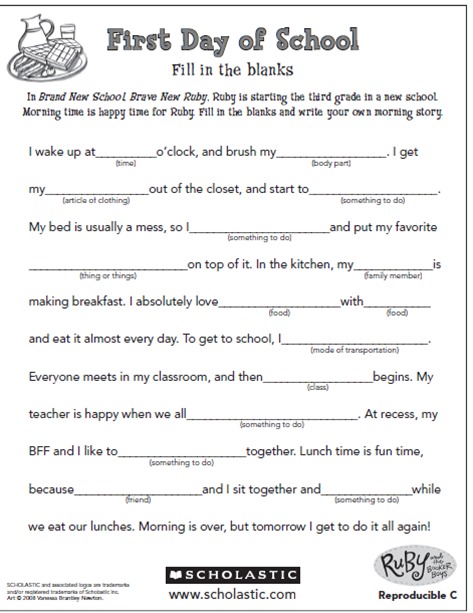
You can write a story with help of a model.
-
You can write in your heritage language in short sentences

Example: They can write a short story with a picture, or they can finish a story that has a beginning.
-
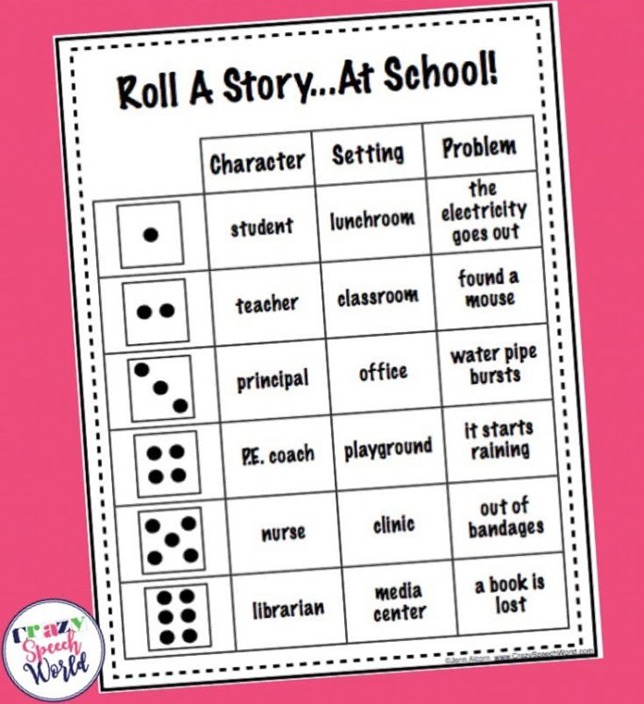
You are familiar with the language writing system and spelling, as you are able to write brief narrative texts and informative texts.
Example: ‘roll a story’ or write a recipe.
-
You are primarily familiar with the writing system and spelling of the language and you are able to write literary and non-fiction text with guidance.
Example: With use of the story telling template,and some relevant questions to build the characters of the story, a story can be build, with start, middle and ending.
-
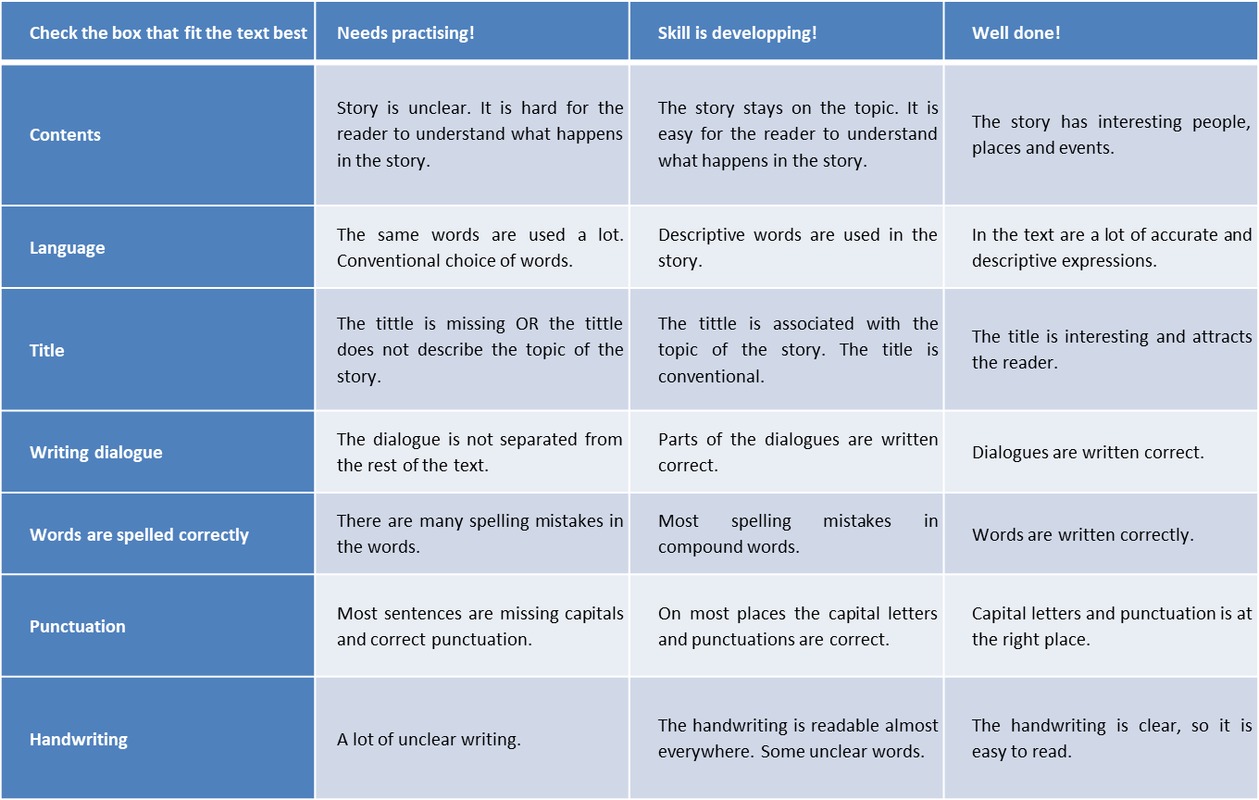
You know the language writing system and spelling and are able to write literary and non-fiction text with some help, as well as commenting and reflecting on the text.
Example: Students can write a story and evaluate it, with help of an evaluation template.
-
You know the language writing system and spelling and are able to write literary and non-fiction text independently, as well as commenting and reflecting on the text.
Example: Write a story and evaluate it, with help of an evaluation template, and reflect on the writen text. Redo the text with use of the received constructive feedback.
Objective 9: to inspire the pupil to further his or her skills in expressing thoughts and experiences in non-fiction and literary texts
-
You still need a lot of support to write short sentences using the basic vocabulary.

Example: a concrete familiar example about a know subject is given. For example ‘the zoo’. Students can make a word web about the subject and describe their basic knowledge in short sentences.
- Zoos are fun
- Animals are kept in cages
- Animals are fed
Example: Student writes down two lists:
| pro | against |
| animals are fed | animals are locked in cages |
| animals don't get hurt | animals are taken away from nature |
| nice to see different Animals | animals are bored in the zoo |
-
You use pre-defined structures to guide you to form your own opinion.
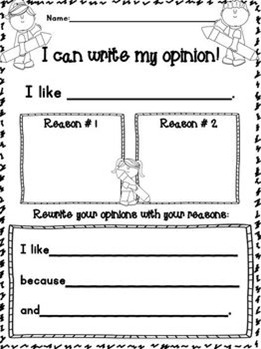
I think that ……….
I have some reasons for this.
My first reason is …
My last reason is …..
Although ……
I think I have shown ………………
-
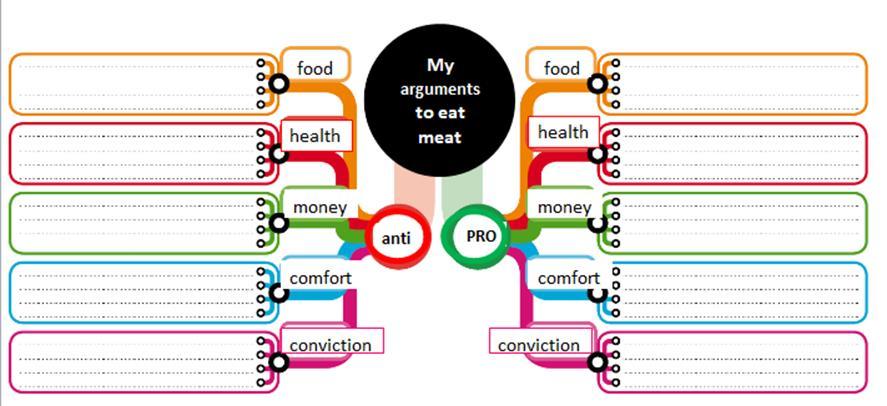
You can provide your opinion in a guided manner with help of tools (peers, dictionary, teacher, framework).
Example: the students are given a subject and with help of opinion words/phrases, they write shortly their opinion about the subject.

-
With guidance, you are able to describe thoughts and experiences in your texts
Example: The teacher helps to shape the opinion, by having group discussion and handing more information about the subject
- Activating previous knowledge/organizing prior experience
- Offering new experience/establishing purposes
- Establishing purposes/formulating questions
- Why, what, when, how, where
- Discussing and planning/locating information
- Study skills/adopting an appropriate strategy
- Interacting with text/retrieval devices/making record
- Reformulating and reflecting/communicating information
-
You are able to tell and explain ideas and experiences in your text.
Example: Same steps can be followed, but without help of the teacher
-
You are able to describe and explain ideas and experiences in your texts, while reflecting and commenting on your own and others' texts.
Example: writing commentary to argumentative text of peers, with well-founded counter-arguments.
Content area 4: Understanding language, literature, and culture
The pupils are guided to reflect on the formation of cultural identity and the use of their heritage language at home, in school, and in their surroundings. They familiarise themselves with the most central characteristics of their heritage language.
(Objectives 10 and 11)
Objective 10: to help the pupil understand their linguistic and cultural identity and to reflect on the significance of heritage language
-
You know various celebrations and cultural features of your heritage country.

Example: Student can name some specific celebrations from their culture, and can tell or draw how it is celebrated (maybe know why?)
-
You understand that the same language is spoken in different countries in different ways, and the cultural habits of the same language area differ from each other.
- England/Scotland/Australia/USA
- France/Morocco/Swiss
- Netherlands/Belgium
- Germany/Austria/Swiss
Or between regions within the same country:
- E.g. South of Netherlands (Catholic) /North of Netherlands (Protestant)
- Difference in what people wear (costumes) or what they eat
-
You apply the habits of the two countries (the Finnish and the heritage culture).
Example: 
- What are the difference in school systems
- Finnish versus Dutch grade
- What are difference in eating habits
- How to set the table/ when to leave the table
- What are differences in celebrating (e.g. Christmas)
-
you are able to describe the significance of linguistic and cultural identity and the heritage language
Example: students can name advantages and disadvantages of their cultural identity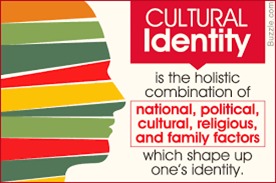
- Knowing your heritage and being able to share this with peers
- Communicating in both cultures
- Having extra possibilities to access information
- Being different
- Being discriminated
- Sometimes not knowing to which culture your belong
-
You describe the linguistic and cultural differences between Finland and your heritage culture.
Examples: You can describe what your heritage culture has brought to Finland and Finland to your heritage culture.
- Dutch Catholic priests in Finland

- Hanseatic League
- Sibelius
- Marimekko, Pentik
- Moomins
Good places to look for information are the embassy websites or heritage country societies ( e.g Dutch embasy in Finland, Finnish embasy in the Netherlands, Dutch society in Finlalnd, Finnish society in the Netherlands).
-
You can describe the linguistic and cultural meanings of identity and your heritage language and know how to act according to your culture and you support other students in the development of their identity.
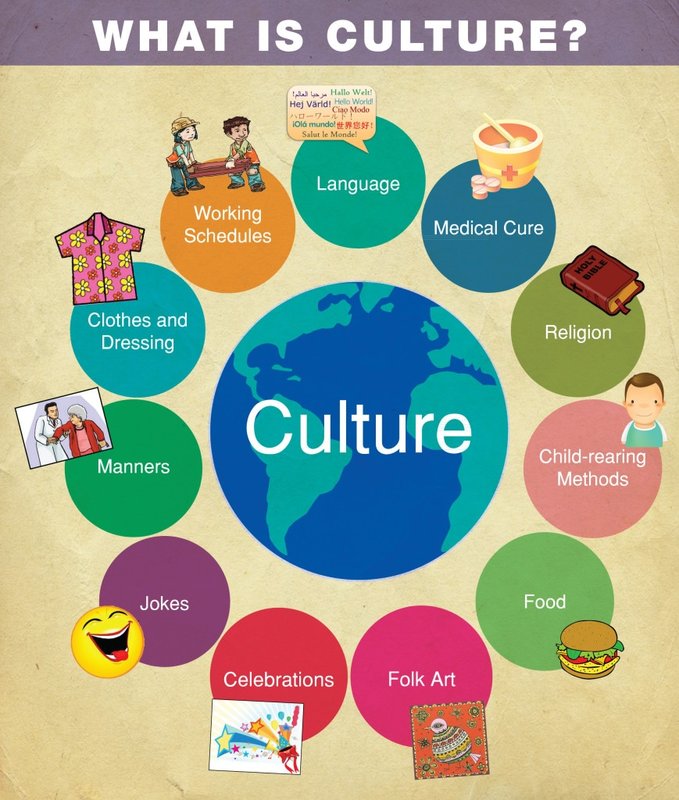
Example: Students bring ‘’souvenirs’ from home, and tell about the meaning of them to your peers. Student can describe how his cultural identity is different from that of his parents or grand parents and from that of his peers.
Objective 11: to guide the pupil to familiarise himself or herself with the most central structures of his or her heritage language
-
You can identity a variety of heritage language structures.
Example: the students knows that words have different meanings in a sentence, but does not know the correct names for them yet
- Underline all the actions in the next sentence:
- The dog barked at the man and run out of the yard to follow him.
- Underline all things/persons/animals
- Under the blue sky, a man with a white shirt was walking his black dog.
-
You can identify the structures of your heritage language.
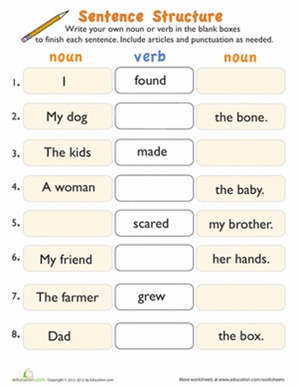
Example:
- Can fill in the nouns, verbs, articles
- Can name the different sentence structures.
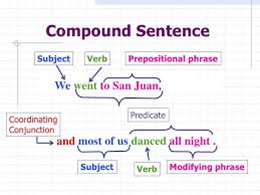
-
You can use the structures of your heritage language, with guidance.
Student can write the main sentence structures with some help.
-
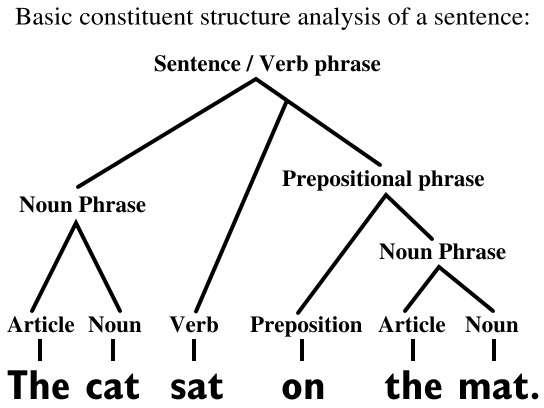
You know the most central structures of your heritage language and are somewhat able to use them.
-
You understand why the grammatical structure is used.
Example: Student is able to change the time, or form (plural/singular) of sentences. Knows when to use capitals, commas, dots, quote marks. Knows when to use imperative.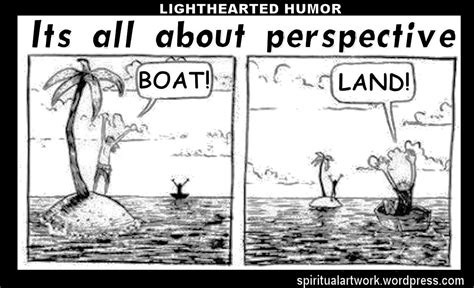
Student can rewrite a known story form the perspective of another character:
- Snow white through the eyes of a dwarf
- The BFG through eyes of the Giant or the Queen
-
You can analyze the differences between your heritage language structures and the Finnish structures.

You can translate text from Finnish to your heritage language and vice versa without losing the meaning of the sentence by using the right constructions of both languages.
Content area 5: Language use as support for all learning
The pupils familiarise themselves with the concepts and textual practices of different subjects and also compare texts from different fields of knowledge. They practice searching for information and using the media in their heritage language. Different language learning strategies are introduced and practised.
(Objectives 12 and 13)
Objective 12: to guide the pupil to utilise his or her proficiency in the heritage language in all learning and to progress in the use of the language needed in different fields of knowledge
-
You recognize the basic vocabulary of various subjects.

Example: Students can draw a flower and name the different parts of the flower, or they can draw a body, and name the different body parts.
-
With guidance you understand the use of the vocabularies of different subjects (e.g. homographs/homonym).
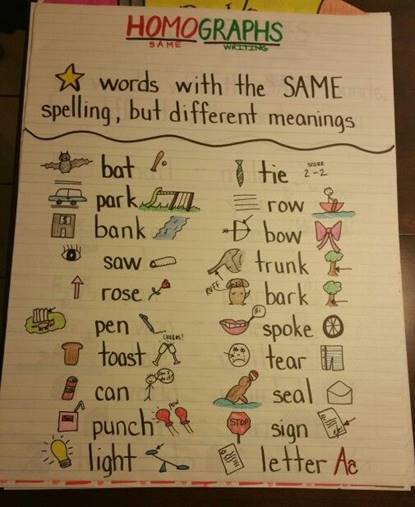 Example: Students know that the same word can have a different meaning, depending on the context (subject). For exp. root (of a tree, or in math). Let all children think of all the homonyms they know, and draw them on separate cards, so you will get a memory game.
-
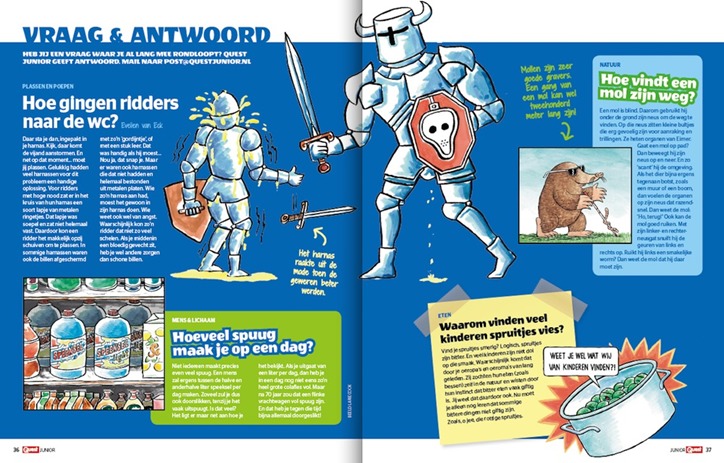
You can read simple texts about different subjects.
Example: Students can read texts from a youth magazine in their heritage language, about computers, biology, history etc.
-
With guidance, you are able to use your heritage language as support for learning and you are somewhat familiar with the language of different fields of knowledge.
Example: Students can choose a subject which they are now learning in school, and find (with help) the same subject in a school book in their heritage language (or online), and compare if the information is the same, if it is explained in an easier or more difficult way.


-
You use your heritage language as a support to learn and know the language of different subjects.
Example: Student can independently look up information about other subjects (internet, study books etc.)
-
You can distinguish your own interests in different subjects and know your strengths and weaknesses in your heritage language in different subjects.
Objective 13: to provide the pupil with tools for seeking, exploring, and assessing information in the heritage language and to support the pupil in adopting a self-directed approach to studying his or her heritage language.
-
You can switch the keyboard / language of a computer / iPad to the heritage language. You can use a simple website, educational application, suitable for your age.

Example: Student will play a language game provided by the teacher in the heritage language.
-
You can find information from different sources. You know there are different forms of media (television, internet, newspapers, magazines, books).
Example: The student can type a single search term into a search engine by himself. With help they can find more relevant information: http://simonhaughton.typepad.com/main/2014/07/how-to-search-effectively.html
The understand how to search effectively students need to:
- appreciate that different search engines help you locate different types of media - web pages, images and maps being the main three;
- know how to pick key words (not full sentences) spelt correctly about the topic to form the main part of a search algorithm;
- know how to add some basic operators to improve search algorithms, such as putting inverted commas around exact phrases and proper nouns to retrieve word combinations exactly or putting asterisk to indicate unknown words;
- know how search results are ranked or ordered (e.g. by: popularity, language and relevance), with sponsored results appearing near the top.
-
With guidance, you can search, find and understand information and you are able to choose the most suitable source material.
Example: Teach the students how to find reliable sources. Let them search for reliable and non reliable information, and let them show how they know the difference. Search for reliable information
- learn how to look for clues to check whether each search result is worthwhile opening by reading the blurb to check it is suitable and by interpreting its URL to see if its owners appears to be reputable (schools and government organisations are usually reliable sources);
- realise the importance of cross-referencing information found to check it is truthful (especially on multi-authored wikis).
-
You are somewhat familiar with sources of information in your heritage language, and you are able to search for, reflect on, and assess the information. You are able to learn your heritage language in a self-directed manner.
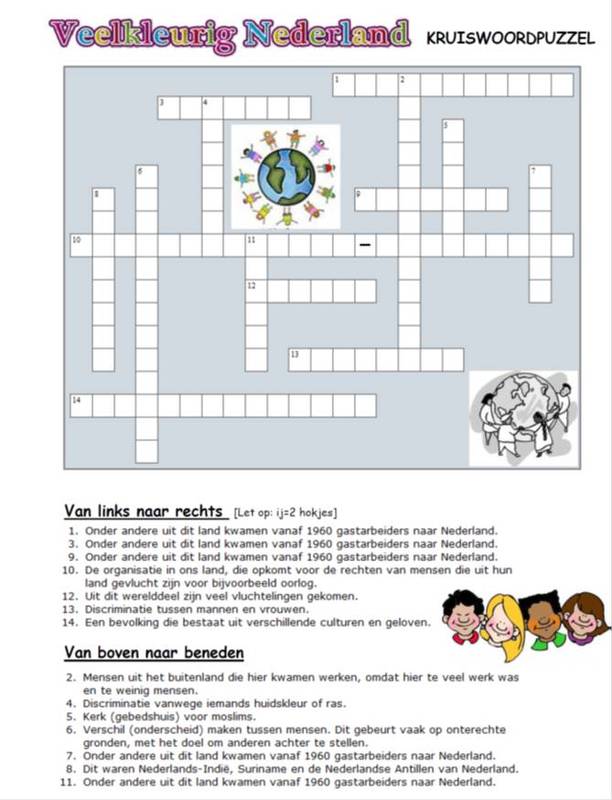 Example: Give the students a task about a new subject and let them find, with some guidance, the answers themselves with help of media
example webpad
-
You can seek information independently from different sources in your heritage language.

Example: You only give the task (without the webpad) the students have to find the sources for the answers themselves. (e.g. task cards).
-
You can independently compile a presentation based on sources.