
Objective 11: to guide the pupil to familiarise himself or herself with the most central structures of his or her heritage language
-
You can identity a variety of heritage language structures.
Example: the students knows that words have different meanings in a sentence, but does not know the correct names for them yet
- Underline all the actions in the next sentence:
- The dog barked at the man and run out of the yard to follow him.
- Underline all things/persons/animals
- Under the blue sky, a man with a white shirt was walking his black dog.
-
You can identify the structures of your heritage language.
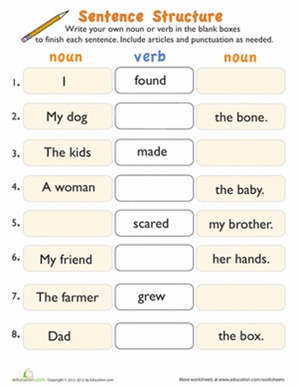
Example:
- Can fill in the nouns, verbs, articles
- Can name the different sentence structures.
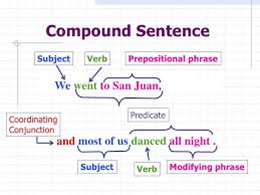
-
You can use the structures of your heritage language, with guidance.
Student can write the main sentence structures with some help.
-
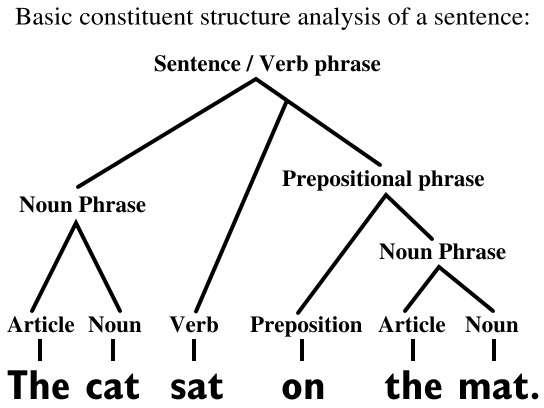
You know the most central structures of your heritage language and are somewhat able to use them.
-
You understand why the grammatical structure is used.
Example: Student is able to change the time, or form (plural/singular) of sentences. Knows when to use capitals, commas, dots, quote marks. Knows when to use imperative.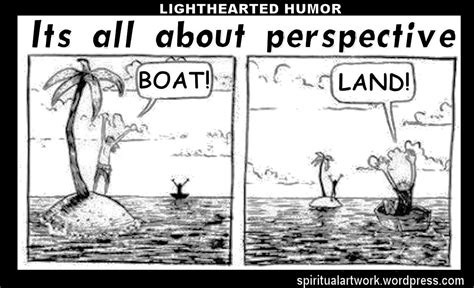
Student can rewrite a known story form the perspective of another character:
- Snow white through the eyes of a dwarf
- The BFG through eyes of the Giant or the Queen
-
You can analyze the differences between your heritage language structures and the Finnish structures.

You can translate text from Finnish to your heritage language and vice versa without losing the meaning of the sentence by using the right constructions of both languages.