
Objective 6: To guide the pupil to use his or her literacy and texts to gather experiences, to acquire and assess information, as well as to discuss texts
-
You can read, but limit yourself to reading of familiar topics.
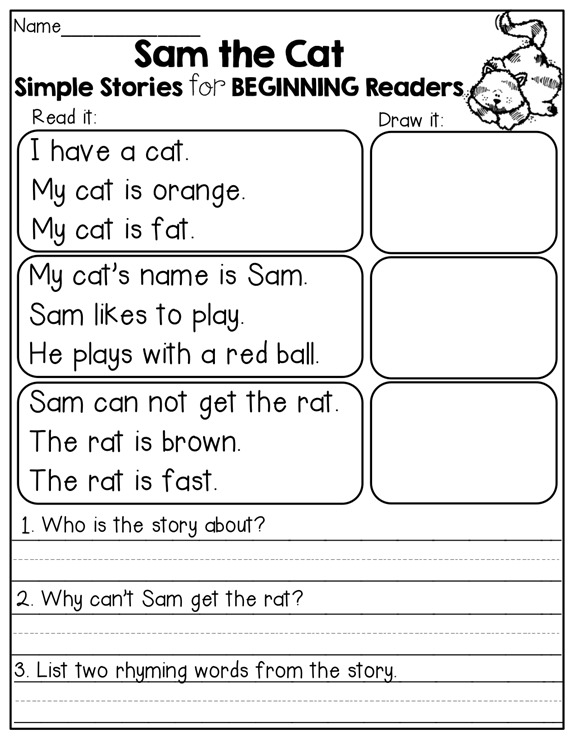
Text need to be concrete and the subject familiar.
-
You understand what you read, but you need help to find the relevant sources of information
-
You can use your literacy skills and texts to gain experiences, acquire and evaluate information but need occasional help and you are able to discuss about your own experiences.
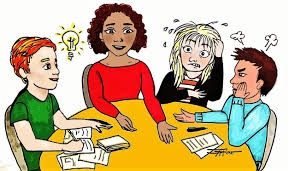
Example: The students can work in groups or pairs at the same assignment and share/discuss the information they found.
-
You are able to utilise your literacy and texts to gather experiences, to acquire and assess knowledge, as well as to discuss texts while relying on your personal experience.
Example: Student is able to gain information from different sources and make a presentation about a subject in his own heritage language.
-
You are able to utilise your literacy and texts to gather experiences, to acquire and assess knowledge, as well as
 to discuss texts while relying on your personal experience. You can analyse texts and discuss the knowledge in your heritage language.
Example: You can prepare yourself for a position in a debate, by gathering knowledge about the subject and defending your opinion on this, substantiated by the acquired knowledge.
-
You use your literacy skills to read about your heritage culture, and you are able to compare this with other cultures.
 Example: The student can lead a discussion about a book that was read by the class. It can compare aspects in the book with everyday life and mark the differences and explain why.
Exp. Historic roman about their home country