
Objective 10: to help the pupil understand their linguistic and cultural identity and to reflect on the significance of heritage language
-
You know various celebrations and cultural features of your heritage country.

Example: Student can name some specific celebrations from their culture, and can tell or draw how it is celebrated (maybe know why?)
-
You understand that the same language is spoken in different countries in different ways, and the cultural habits of the same language area differ from each other.
- England/Scotland/Australia/USA
- France/Morocco/Swiss
- Netherlands/Belgium
- Germany/Austria/Swiss
Or between regions within the same country:
- E.g. South of Netherlands (Catholic) /North of Netherlands (Protestant)
- Difference in what people wear (costumes) or what they eat
-
You apply the habits of the two countries (the Finnish and the heritage culture).
Example: 
- What are the difference in school systems
- Finnish versus Dutch grade
- What are difference in eating habits
- How to set the table/ when to leave the table
- What are differences in celebrating (e.g. Christmas)
-
you are able to describe the significance of linguistic and cultural identity and the heritage language
Example: students can name advantages and disadvantages of their cultural identity
- Knowing your heritage and being able to share this with peers
- Communicating in both cultures
- Having extra possibilities to access information
- Being different
- Being discriminated
- Sometimes not knowing to which culture your belong
-
You describe the linguistic and cultural differences between Finland and your heritage culture.
Examples: You can describe what your heritage culture has brought to Finland and Finland to your heritage culture.
- Dutch Catholic priests in Finland

- Hanseatic League
- Sibelius
- Marimekko, Pentik
- Moomins
Good places to look for information are the embassy websites or heritage country societies ( e.g Dutch embasy in Finland, Finnish embasy in the Netherlands, Dutch society in Finlalnd, Finnish society in the Netherlands).
-
You can describe the linguistic and cultural meanings of identity and your heritage language and know how to act according to your culture and you support other students in the development of their identity.
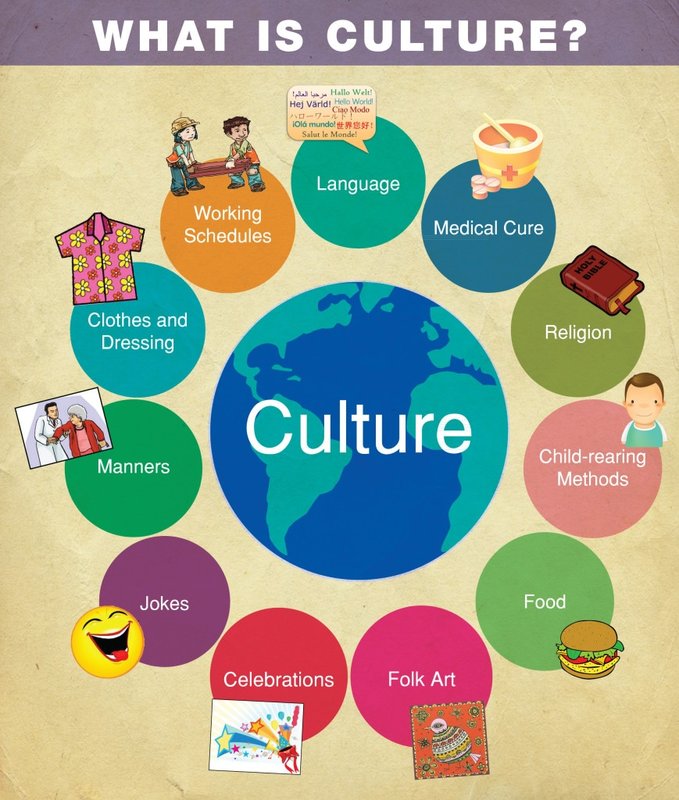
Example: Students bring ‘’souvenirs’ from home, and tell about the meaning of them to your peers. Student can describe how his cultural identity is different from that of his parents or grand parents and from that of his peers.