
Objective 12: to guide the pupil to utilise his or her proficiency in the heritage language in all learning and to progress in the use of the language needed in different fields of knowledge
-
You recognize the basic vocabulary of various subjects.

Example: Students can draw a flower and name the different parts of the flower, or they can draw a body, and name the different body parts.
-
With guidance you understand the use of the vocabularies of different subjects (e.g. homographs/homonym).
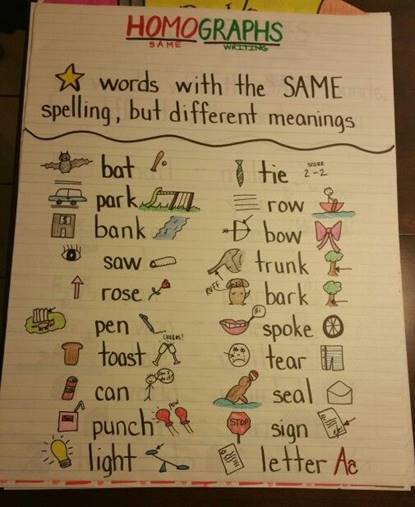 Example: Students know that the same word can have a different meaning, depending on the context (subject). For exp. root (of a tree, or in math). Let all children think of all the homonyms they know, and draw them on separate cards, so you will get a memory game.
-
You can read simple texts about different subjects.
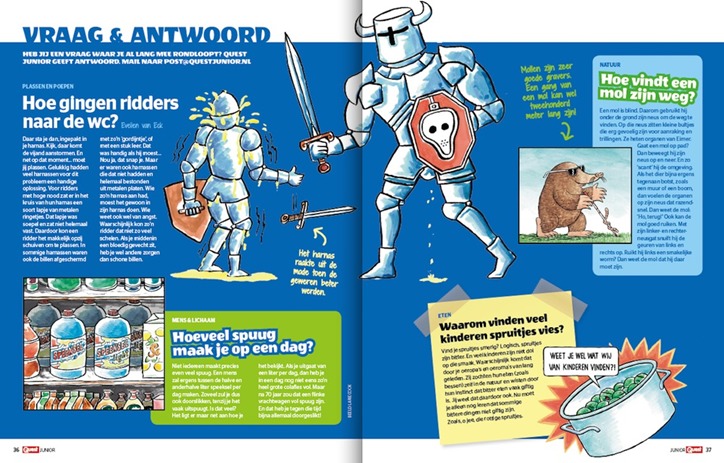
Example: Students can read texts from a youth magazine in their heritage language, about computers, biology, history etc.
-
With guidance, you are able to use your heritage language as support for learning and you are somewhat familiar with the language of different fields of knowledge.
Example: Students can choose a subject which they are now learning in school, and find (with help) the same subject in a school book in their heritage language (or online), and compare if the information is the same, if it is explained in an easier or more difficult way.


-
You use your heritage language as a support to learn and know the language of different subjects.
Example: Student can independently look up information about other subjects (internet, study books etc.)
-
You can distinguish your own interests in different subjects and know your strengths and weaknesses in your heritage language in different subjects.