
Objective 5: to encourage the pupil to develop his or her expression in his or her texts as well as to help the pupil reinforce a positive attitude towards writing
-
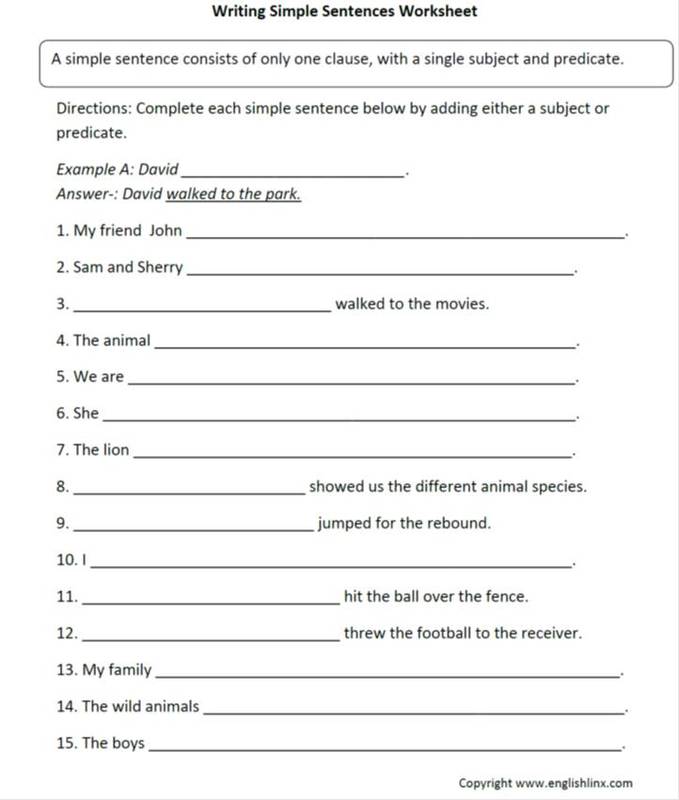 You can write simple understandable sentences (without adjectives, or connective sentences).
-
You express yourself using the vocabulary of various subjects.
Example: Write a letter to somebody you do not know in your heritage language to ask information about his/her specialty.
Write to a museum to ask something about your heritage language history/ geography /politics /culture.
-
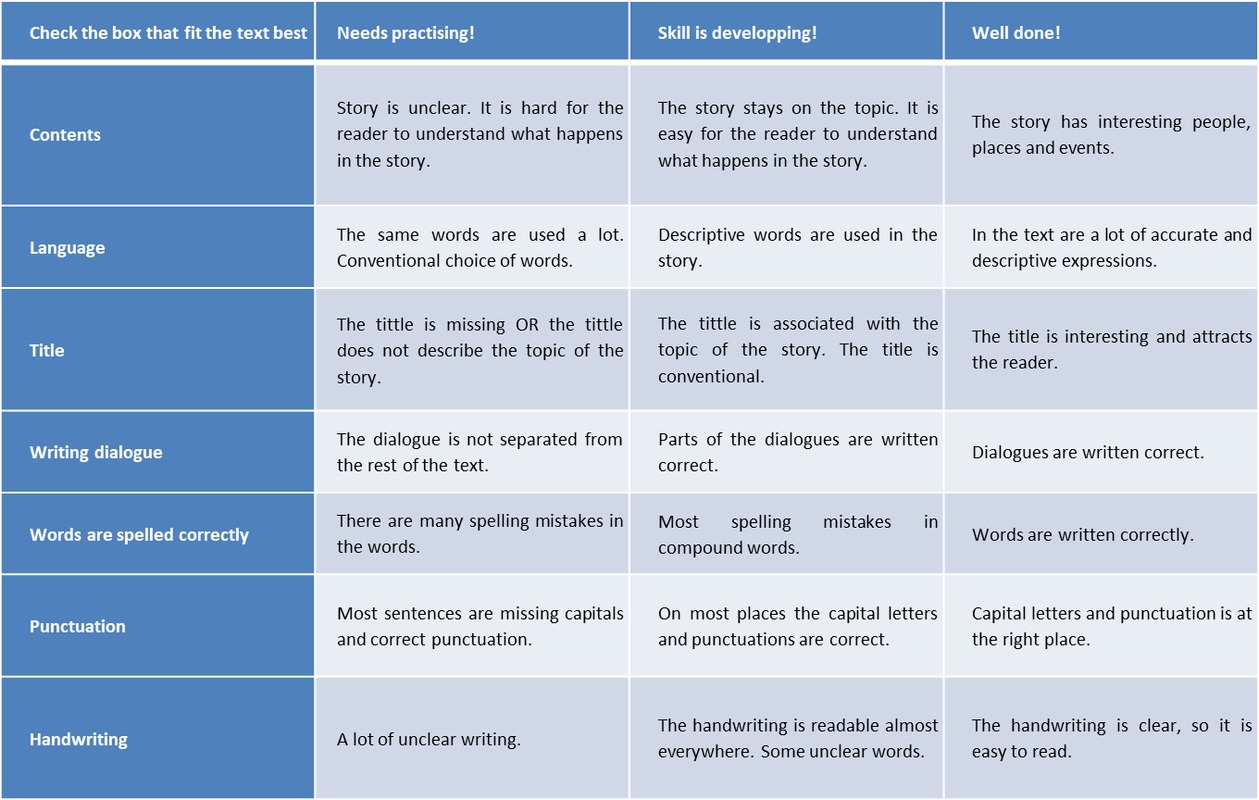
You can revise your own texts after feedback and you extend the use of expressions.
Example: You can write a story and evaluate it, with help of an evaluation template, and reflect on your own text, and redo your text for which you use the constructive feedback you received.
-
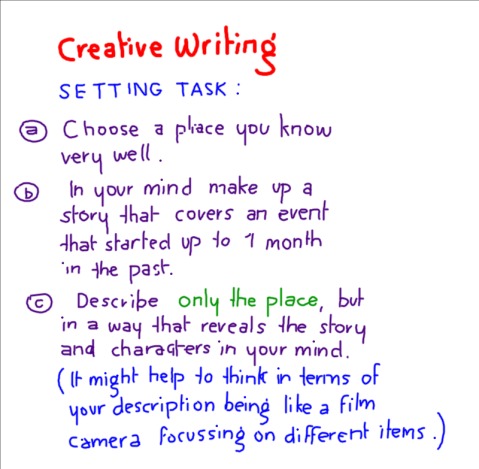 You are able to produce texts using versatile expressions.
Example:
-
You can produce rich, structured texts with versatile expressions
Example: Students write the monologue as described in the example:
Purpose:
To write a scene using an unfamiliar word. To take a word you don't know and explore it in a theatrical context.
 Word:
Word:
Waldeinsamkeit
- The feeling of being alone in the woods. (German)
To Do:
- Automatic Write for two minutes on what it means to be alone in the woods. What is your interpretation of the phrase? Is it something wonderful, or something fearful?
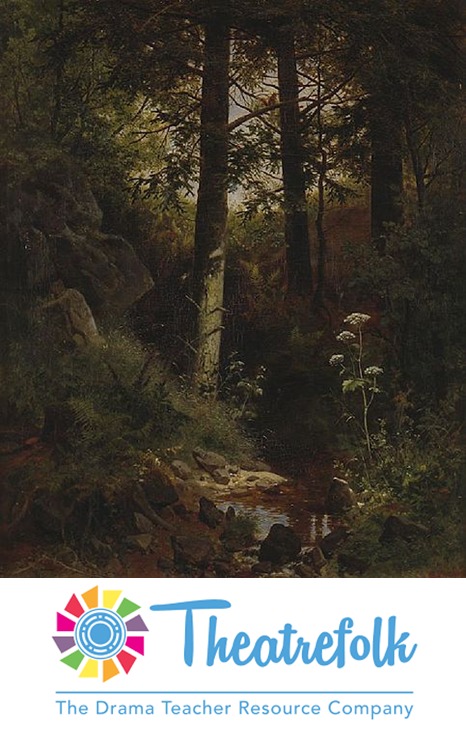
- Look around on the internet for a picture of an intense forest (maybe you even have one in your collection) What do you see when you look at the picture? Start to reach beyond the logical here, do you see faces? Do you see emotions? Do you see shapes?
- Write a monologue from the perspective of the person who took the picture. They are alone in the woods. Who are they? How long have they been there? What inspired them to take the picture? Who are they talking to in the monologue?
-
You can creatively produce and evaluates texts and encourage others to produce versatile texts.
Example: Write a play with the class. Use the monologues from the previous exercise. Help others re-write their texts so they all fit together as a play.