
Friday Group 3.4.2020
Activity
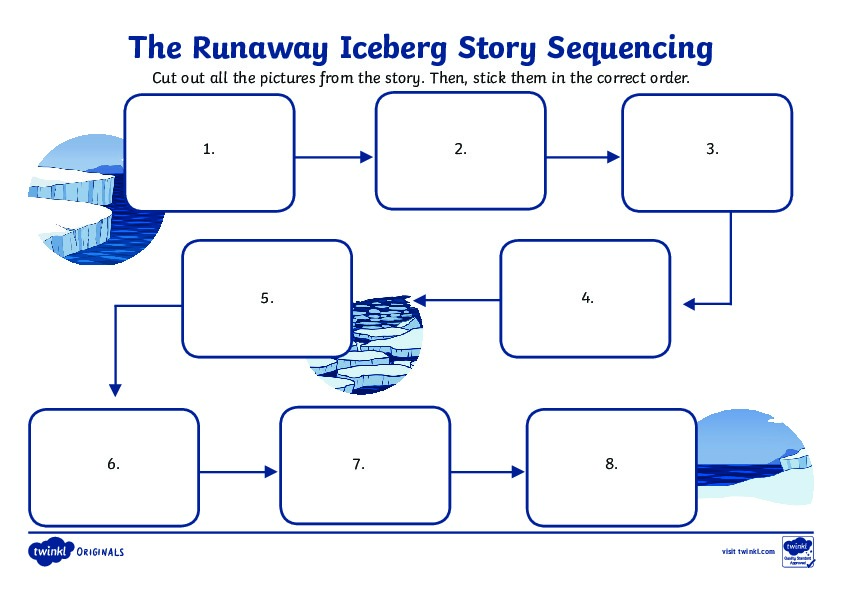
Cut out the parts of the story and put them in the order they happen.
0 kommenttia
Antartica photo pack
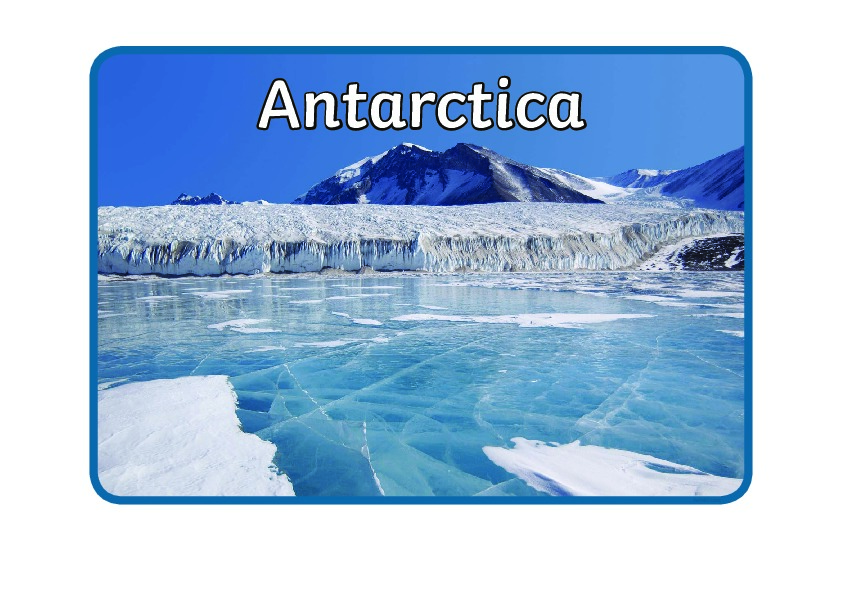
Here are some beautiful photos that can be looked at and talked about to help vocabulary
The Runaway Iceberg story

Read 'The Runaway Iceberg', a fun adventure set in Antarctica!
This fun adventure story is set in Antarctica and follows two emperor penguins as they become stranded on an iceberg at sea.
Along the way, Gaspar and Rossi make friends with different Antarctic animals who help them to get closer to land. But Gaspar will also need to overcome his fears if they’re going to make it all the way home!
You could use this story as a way to introduce children to climate change and the melting ice caps in an accessible way.
This story is ideal for introducing children to the fascinating continent of Antarctica and some of its animals. You could use this penguin story to find out more about Antarctic wildlife and how animals manage to survive in extreme cold and with a lack of plant life. You could also use this story to encourage children to talk about fears and how difficult it can be to overcome them.
How do animals survive in Antarctica?
Antarctica is the coldest, windiest and driest continent in the world. Animals that live in the harsh climate of Antarctica have special adaptations which allow them to survive the extreme temperatures and weather.
Many of these animals, such as seals, whales and penguins, have a special layer of fat, called blubber, under their skin. This helps to insulate them from cold on both land and in the water. They may also have thicker layers of fur.
Some animals have special adaptations on their feet, such as fur or sharp claws, which help them to keep their grip on the ice. They may also have webbed feet, which prevents them from sinking in the snow.
Many birds have to take extra care over their eggs to prevent them from freezing on the cold ground. Adélie penguins build their nests out of rocks to keep their eggs elevated, whereas emperor and king penguins keep their eggs on top of their feet, under a specially adapted flap of skin.
This fun adventure story is set in Antarctica and follows two emperor penguins as they become stranded on an iceberg at sea.
Along the way, Gaspar and Rossi make friends with different Antarctic animals who help them to get closer to land. But Gaspar will also need to overcome his fears if they’re going to make it all the way home!
You could use this story as a way to introduce children to climate change and the melting ice caps in an accessible way.
This story is ideal for introducing children to the fascinating continent of Antarctica and some of its animals. You could use this penguin story to find out more about Antarctic wildlife and how animals manage to survive in extreme cold and with a lack of plant life. You could also use this story to encourage children to talk about fears and how difficult it can be to overcome them.
How do animals survive in Antarctica?
Antarctica is the coldest, windiest and driest continent in the world. Animals that live in the harsh climate of Antarctica have special adaptations which allow them to survive the extreme temperatures and weather.
Many of these animals, such as seals, whales and penguins, have a special layer of fat, called blubber, under their skin. This helps to insulate them from cold on both land and in the water. They may also have thicker layers of fur.
Some animals have special adaptations on their feet, such as fur or sharp claws, which help them to keep their grip on the ice. They may also have webbed feet, which prevents them from sinking in the snow.
Many birds have to take extra care over their eggs to prevent them from freezing on the cold ground. Adélie penguins build their nests out of rocks to keep their eggs elevated, whereas emperor and king penguins keep their eggs on top of their feet, under a specially adapted flap of skin.