
12. Finnish bogs
Contents

Video: A bog in Southern Finland (2 min)
Watch the video and pay attention to the following things:
- The peat of the bog is wet and easy to get sunk in. This is why duckboards have been built to make crossing the bog easier.
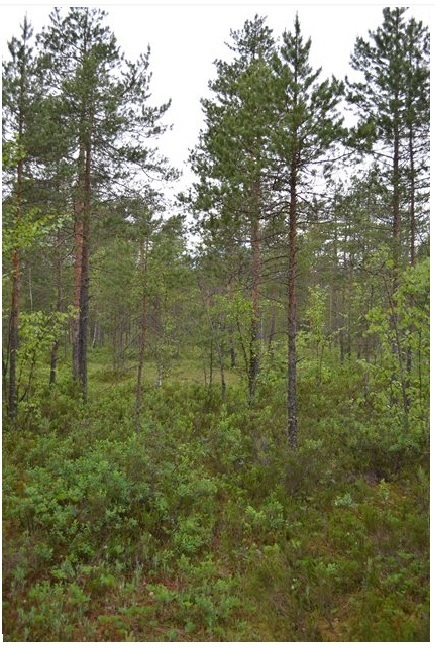
- There are only a few trees in the bog. Most of them are short pines.
- The ground layer is covered by plants such as the wild rosemary.
12.1 Bogs and plants
How to know whether or not you are standing in a bog? The answer can be determined with the help of a long stick. If the stick can be stuck down in the soil for at least 20 centimeters, you are standing in a bog. The soil consists of soft peat.
Bogs are wet, peat-producing ecosystems. Peat is formed when dead plant parts decompose slowly in wet, cold and low-oxygen soil. Over time, the plant matter is concentrated into peat. This is how the bog's vegetation creates its own soil.
Bogs accomodate relatively few plants. Because peat is an acidic and wet soil type that is low in both oxygen and important nutrients such as nitrogen, only certain plant species such as peat moss and sprigs thrive in it. Bogs can be divided into open bogs, spruce bogs and pine swamps depending on the tree species most prominent in them. Open bogs are completely free of trees.
Finland is a relatively flat country with a wet and cold climate. The amount of rainfall exceeds the amount of water that is evaporated back into the atmosphere. This water can accumulate in pools and depressions that were created during the last ice age. This is why bogs are so common in Finland. They comprise almost one third of the nation's land surface area. This makes Finland the most boggy nation on the planet.
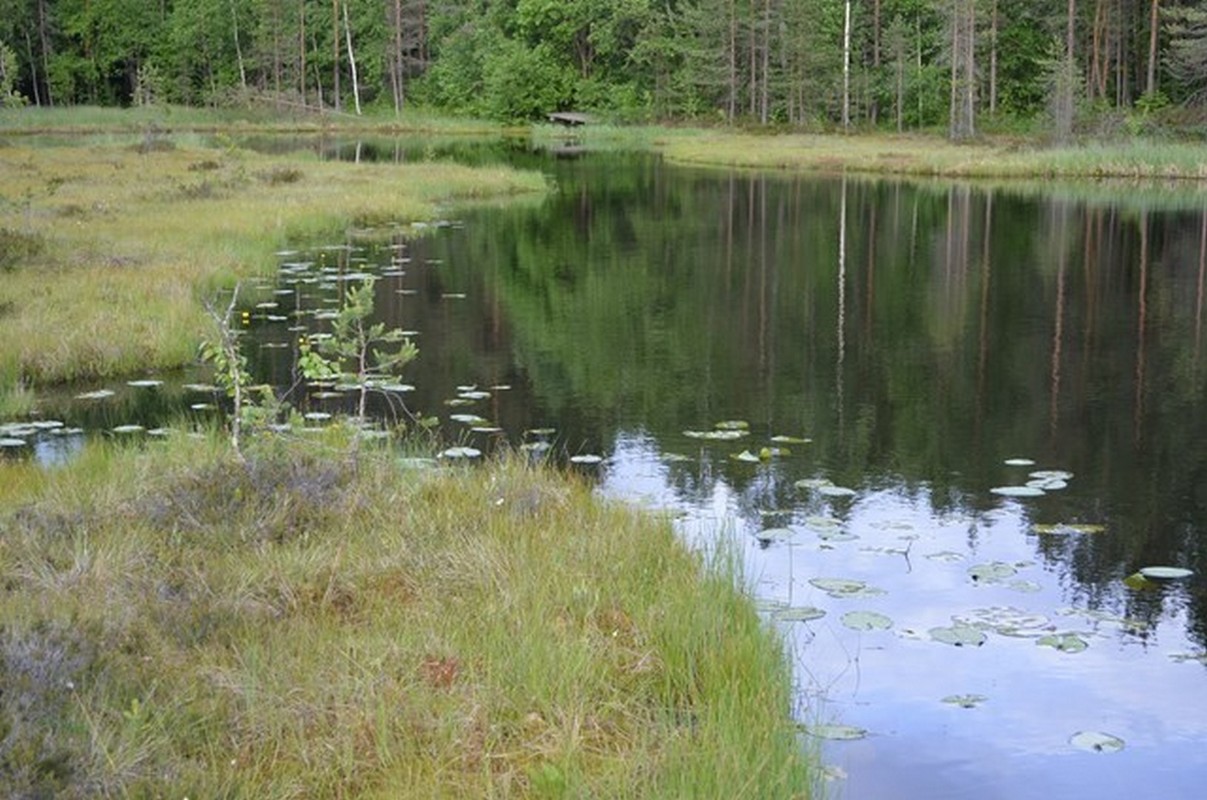
When a lake overgrows, bog vegetation spreads from the edges of the lake towards the center.
12.2 Gallery: Different kinds of bogs





12.3 Bogs as habitats
Because bogs are not rich in nutrients, their plant life is relatively unvaried. This has a direct effect on the number of herbivores and predators found in bogs.
Although bog ecosystems accommodate only a handful of plant and animal species, at times the populations of these species can be very abundant. For example, large numbers of mosquitoes can be found in bogs during the summer.
Because the number of bog-dwelling animal species is relatively small, the food chains of the bog often remain quite short. Likewise, the food webs of bog ecosystems are often much simpler than those of forest ecosystems.

The viviparous lizard is a small, insect-eating reptile.
12.4 Bogs and birds
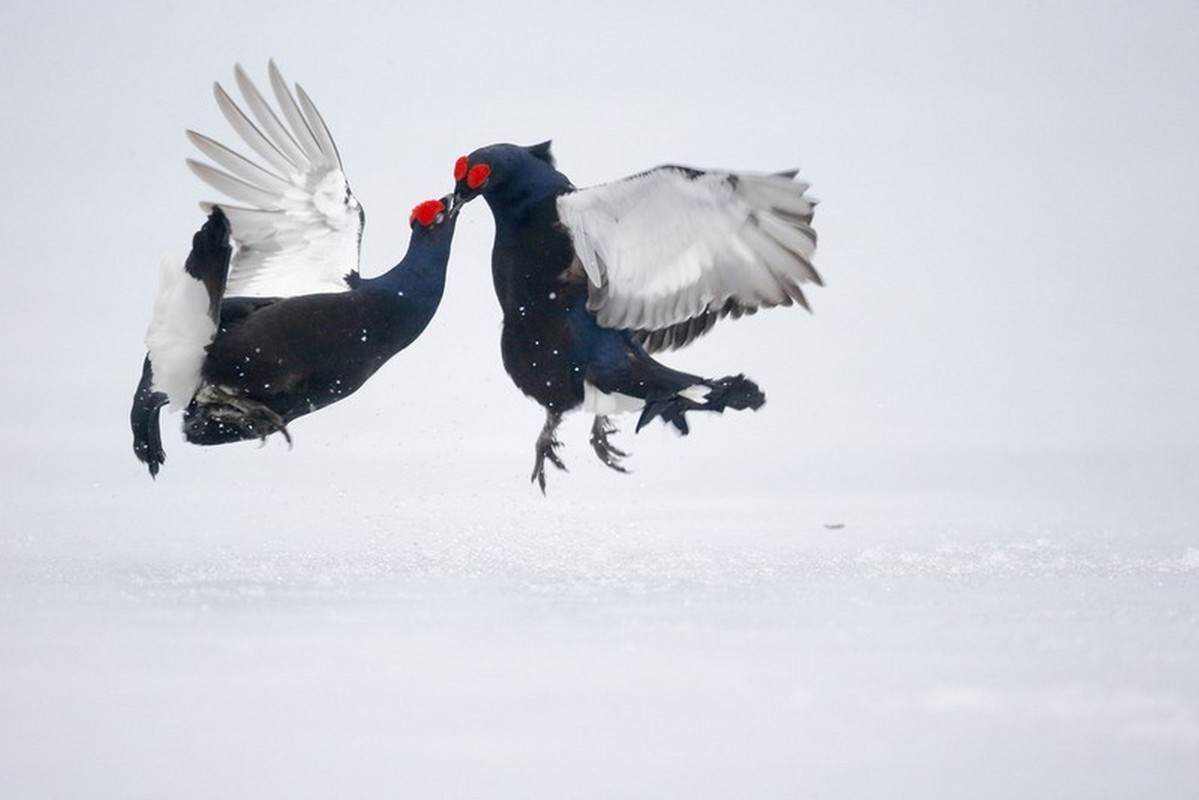
A lot of bird species can be encountered specifically in bog regions. The large, open bogs of Northern Finland attract the largest number of different species. This is due to their large insect populations. Bog ponds are a favoured habitat of birds such as bean geese, whooper swans and ducks. Open bogs accomodate various waddler birds that use their long beaks to catch invertebrates from shallow waters.
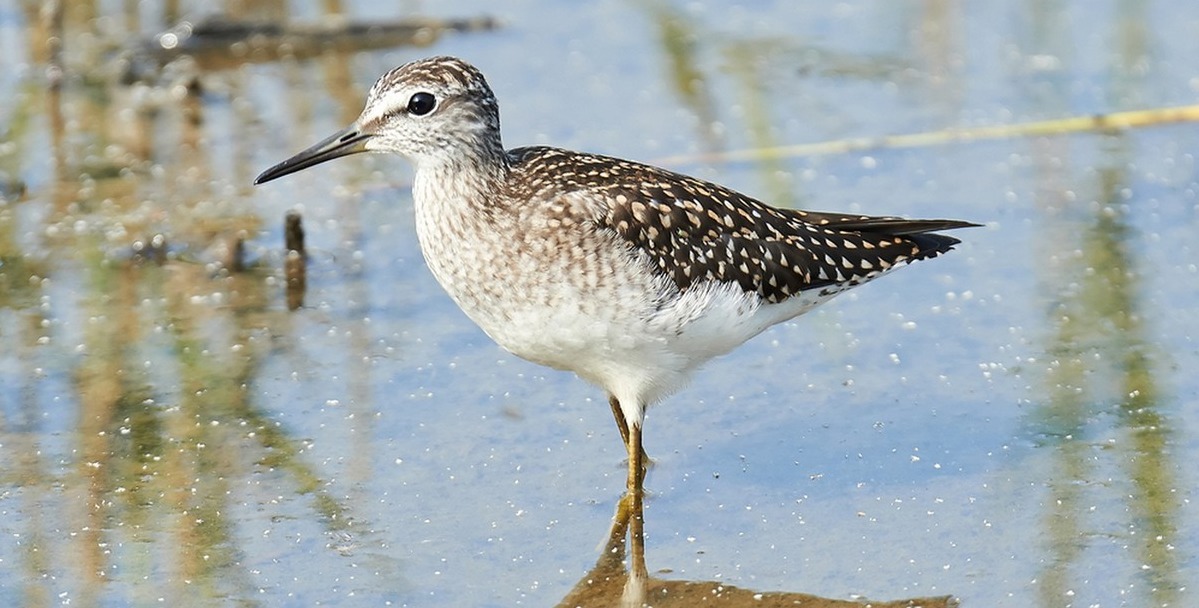
The wood sandpiper is a bog-dwelling waddler.
The crane is one of the most easily recognizable bog-dwelling birds. During the spring, groups of cranes can be seen flying in their distinctive V-shaped wedge formations. Alongside bogs, they also like to nest in the reeds near lakes and the seashore.

A group of cranes flying in a wedge formation.
12.5 Gallery: Bogs and birds


12.6 Bog invertebrates and their predators
Blood-sucking insects, such as mosquitoes and black flies, often torment people who walk near bogs. Bogs are also rich in other kinds of invertebrates, such as day butterflies.
The larvae of butterflies eat the leaves of bog sprigs. For example, the larva of the moorland clouded yellow butterfly likes to eat the leaves of the bog bilberry, whereas adults of the same species use the flowers of bog sprigs as a source of nectar, simultaneously acting as pollinators.
Bog insects are eaten by birds and other vertebrates, such as frogs and viviparous lizards. Frogs need bog ponds in order spawn and reproduce.
Viviparous lizards are common in open bogs and pine swamps. They can often be encountered sunbathing on warm, dry tufts of moss.
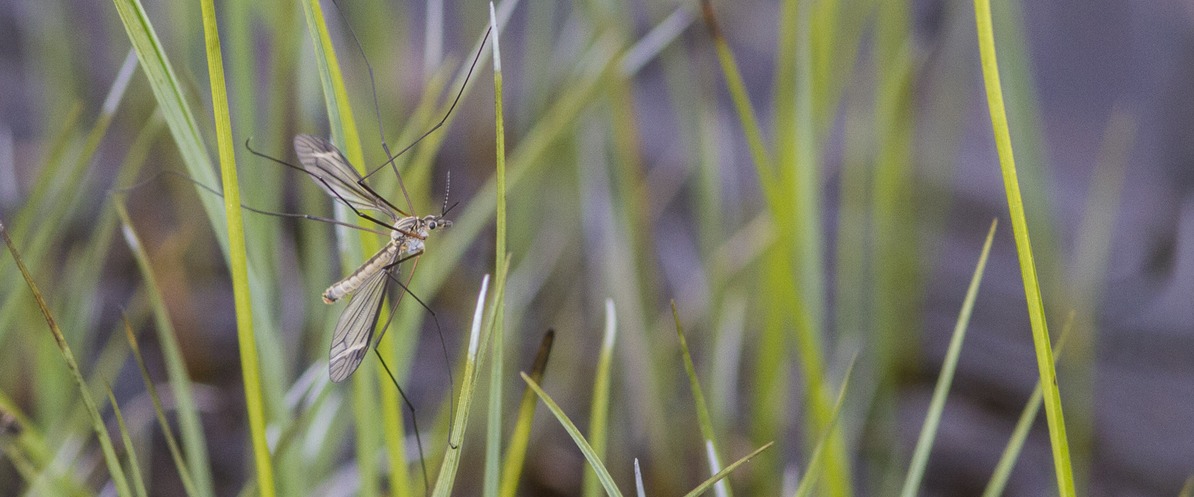 Crane flies are bog-dwelling insects.
12.7 Bogs and mammals
Mammals are not often seen in bogs. Small mammals such as moles and shrews can sometimes be encountered, along with their predators, such as the stoat.
The largest mammal species occasionally found in bogs include the moose, the roe deer, and the reindeer. Moose change their habitats often during the course of the year, and they can usually be found dwelling near boggy areas during the summer. As autumn approaches, they will begin journeying to their winter pastures.
Some large predators such as the wolverine, the wolf, and the bear can also be sometimes encountered in the large, open bogs of Eastern and Northern Finland. Bears often visit bogs during the late summer in order to eat cloudberries, whereas wolves often travel through bogs on their journeys towards their next prey.

The bear has arrived in the bog in search of food.