
27. Puberty
What is puberty?
 Puberty is the stage in a human's individual development where the person achieves sexual maturity. In puberty, the child's body becomes the body of an adult.
 Puberty usually begins between the ages of 9 and 14. It is caused by changes in the hormone secretion of the young person.
The pubescent person grows quickly. Girls usually begin growing earlier than boys.
During puberty, the person's body will also begin to produce more sweat, and the formation of pimples on the skin becomes more common.
At the same time as the person's body changes, their mental qualities also change.
During puberty, it is common that the person experiences rapid mood swings.
The beginning of puberty happens at different ages, depending on the person. Likewise, the ways in which puberty can be seen by others varies greatly depending on the person.
Development from a boy into a man
The boy's testicles begin producing sperm. Sperm cells are male sex cells. They are released during a process known as ejaculation.

Development from a girl into a woman
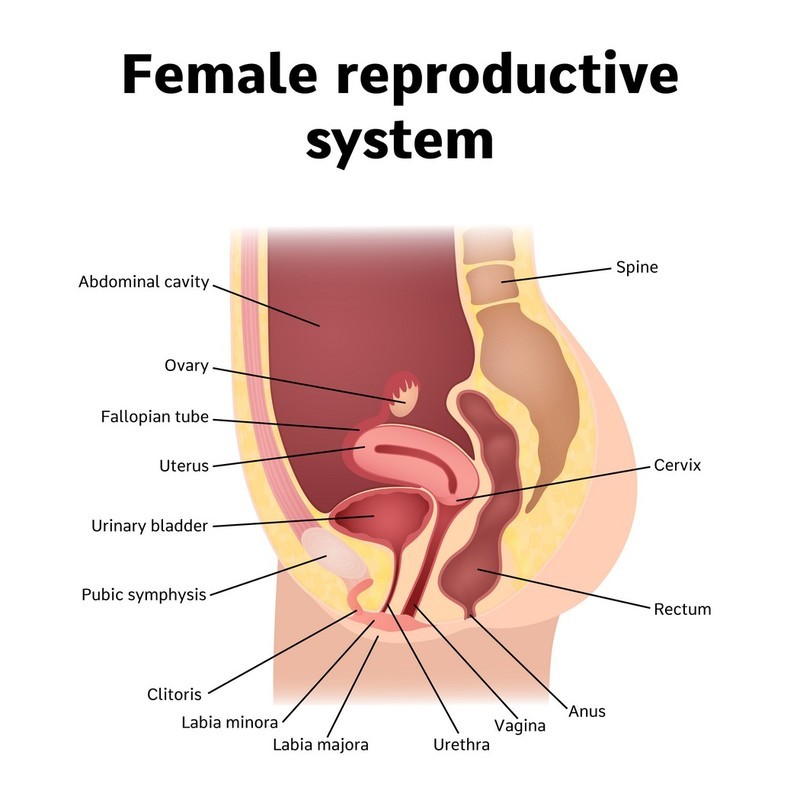
During puberty, the egg cells in the girls ovaries begin to mature. Once a month, one of these egg cells develops and is detached from the ovary. The egg cell travels to the womb through the Fallopian tube.
The mucous membrane of the womb has grown in size, which means that it is ready to receive a fertilized egg cell. If a male sperm cell does not fertilize a female sex cell during this time, the egg cell will not attach to the womb's mucous membrane. When this happens, the mucous membrane is released from the vagina in the form of menstrual flow. For some girls, they can be painful.
The menstrual cycle of a pubescent girl can be irrelugar, but they will become more regular as the girl develops into a woman. In adult women, the menstrual period occurs approximately every 28 days. The menstrual flow stage usually only lasts for a couple of days.
Recognizing your feelings
 When you are familiar with the things that happen during puberty, it will be easier for you to understand what happens to you and to others during this importan period of development. Talking with your friends about your experiences and feelings is important. Friends can also give you support and encouragement when you are feeling bad.
Your parents have followed your development closely. When puberty begins, you will feel the need to become separated from your parents. This is natural. However, this need for independence can cause you to feel indifferent or even hostile towards your parents.
The need to try and do things by yourself during puberty will easily create tension between the pubescent person and their parents. Puberty can therefore be difficult for both the pubescent person and their parents. Luckily, the tension often passes as the pubescent person develops.
Mental well-being
 During puberty, you will feel a great range of positive and negative emotions.
You have received genes from your parents. These genes will influence what kind of a person you will become as you develop.
Your personality is comprised of your physical, psychological and social qualities. It is important to learn to know your strenghts and weaknesses. This will also make it easier for you to understand others.
Other people are also important to your development. Having good relationships with your family, friends and relatives is beneficial, and will make you a better and more functional person.
Terminology
| Term | Explanation |
|---|---|
| puberty | The stage of human individual development where the child's body becomes the body of an adult. |
| hormone | A substance produced by the human body that influences certain processes. E.g. the growth hormone makes you grow. |