
HUMAN BIOLOGY
DIGESTIVE SYSTEM
ORGANS
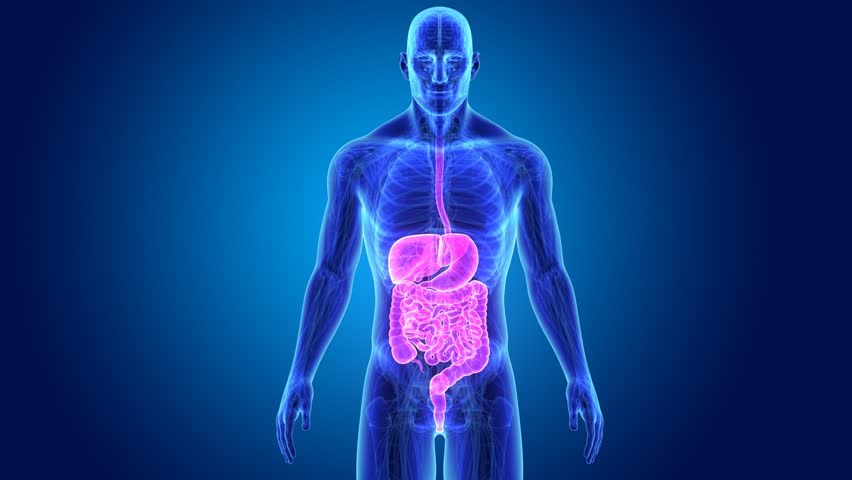
The main organs in the digestive system are: mouth, salivay glands, esophagus, stomach, liver, small intenstine, large intenstine and rectum. In finnish mouth is called suu, salivary gland is called sylkirauhanen, esophagus is called ruokatorvi, liver is called maksa, stomach is called maha or vatsa, pancreas is called haima, liver is called maksa, large intense is called paksusuoli, small intenstine is called ohutsuoli and rectum is called peräsuoli.
The main task of Digestive system
Digestion is the process of changing food into a simpler form so that it can be used by the body.
A good diet for the digestive system
Eat more fruits and vegetables. Avoid or eat less unhealthy food like burger, pizza and tortila. Eat light before going to bed and have a big breakfast.
Fibers plays a major role in digestive health. Fiber also helps to keep the digestive tract flowing, by keeping bowel movements soft and regular.
SOURCES
PISARA
SCIENCE 3 FOR JUNIOR
https://ed.ted.com/lessons/how-your-digestive-system-works-emma-bryce
Here is a picture of DIGESTIVE SYSTEM
CIRCULATORY SYSTEM
ORGANS
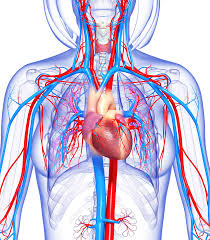
The main organs in Circulatory system are heart, arteries, veins, right hemisphere and left hemsiphere. In finnish heart is called sydän, arteries are called valtimot, veins are called laskimot, right hemisphere is called oikea puolisko and left hemisphere is called vasen puolisko.
The main task of circulatory system
The main task of circulatory system is to circulate blood in the body. The blood is circulated in the body by heart through the blood vessels.
The function of circulatory system
The function of the circulatory system process starts with the small intestine which passes digested food and the lungs pass on oxygen to the blood, after that the blood distributes this food and oxygen to all parts of the body.The arteries carry oxygen through the body and the veins carry carbon dioxide away from the body. The heart pumps the blood in the right direction with valves and muscles.
Some facts
A human's heart beats 50-60 times a minute.
The human heart pumps over 13,640 litres of blood per day. ( just for fun)
SOURCES
PISARA
SCIENCE 3 FOR JUNIORS
Here is a picture of CIRCULATORY SYSTEM
RESPIRATORY SYSTEM
ORGANS
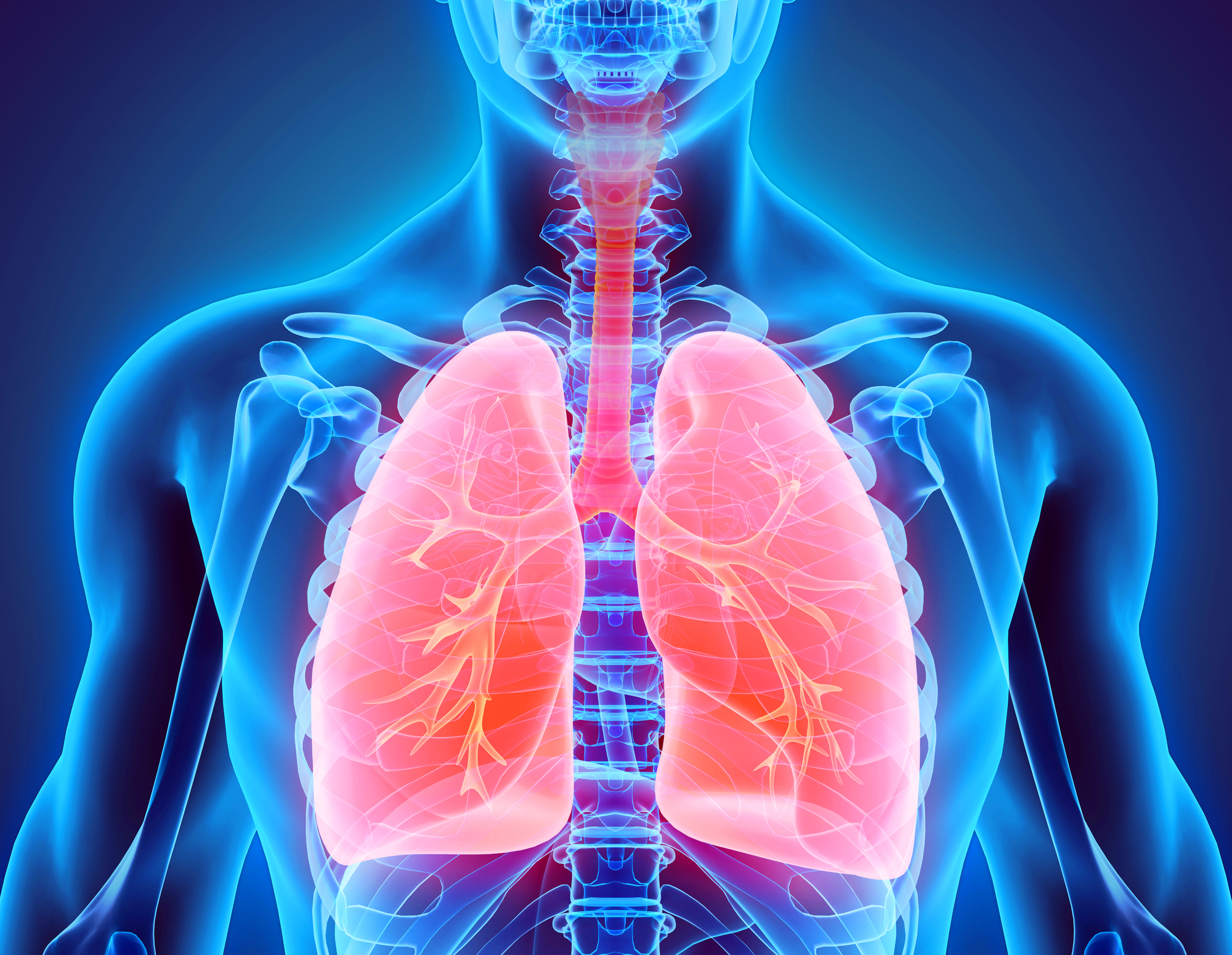
The main organs in respiratory system are nose, trachea or windpipe which starts in your throat, the lungs, bronchi, which are small tubes at the end of the lungs. They end in bronchioles and then alveoli, which take care of the oxygen and carbon dioxide exchange between the lungs and blood vessels and finally the diaphram which moves up and down to help expand the lungs. In finnish nose is called nenä, windpipe or trachea is called henkitorvi, lungs are called keuhkot, bronchi is called keuhkoputkit, alveoli is called alveole and diaphram is called pallea.
How do we get oxygen in our blood
The air goes first through the nose to the trachea, the to the lungs. a human has two lungs, which has hundreds of millions of bronchi and alveoli. The inhaled oxygen goesninto the bronchi and the alveoli. There are capillaries over the alveoli. From the capillaries, the oxygen goes into the blood stream. During exhailing the carbon dioxide goes out.
The most harmful substance
The most harmful substance is SMOKING because it causes sixteen different kind of cancers and has five thousand chemicals.
How to keep our respiratory system safe
To keep your respiratory system safe you should not smoke because it very harmful for you and breath fresh air.
SOURCES
PISARA
SCIENCE 3 FOR JUNIORS
https://www.youtube.com/watch?v=hc1YtXc_84A
Here is a picture of the RESPIRATORY SYSTEM
NERVOUS SYSTEM
The main function of nervous system
The main function of nervous system is to carry message to brain and back. The brain controls all the actions and reactions of body.
Difference between PERIPHERAL and the CENTRAL nervous system
The central nervous system includes the brain and the spinal cord and the peripheral includes all the nerves that branch out from the brain and spinal cord and extend to the other parts of body including muscles and organs.
Functions of the PERIPHERAL and the NERVOUS system
The central nervous system is responsible for sending, receiving and interpreting information from all parts of the body and the peripheral system is the primary role of PNS (peripheral nervous sytem) is to connect the CNS (central nervous system) to the organs, limbs and skin.
SOURCES
PISARA
SCIENCE 3 JUNIOR
https://www.lifewire.com/peripheral-device-2625951
Here is a picture of CENTRAL and PERPHERAL nervous system

ORGANS
The main organs in the digestive system are: mouth, salivay glands, esophagus, stomach, liver, small intenstine, large intenstine and rectum. In finnish mouth is called suu, salivary gland is called sylkirauhanen, esophagus is called ruokatorvi, liver is called maksa, stomach is called maha or vatsa, pancreas is called haima, liver is called maksa, large intense is called paksusuoli, small intenstine is called ohutsuoli and rectum is called peräsuoli.
The main task of Digestive system
Digestion is the process of changing food into a simpler form so that it can be used by the body.
A good diet for the digestive system
Eat more fruits and vegetables. Avoid or eat less unhealthy food like burger, pizza and tortila. Eat light before going to bed and have a big breakfast.
Fibers plays a major role in digestive health. Fiber also helps to keep the digestive tract flowing, by keeping bowel movements soft and regular.
SOURCES
PISARA
SCIENCE 3 FOR JUNIOR
https://ed.ted.com/lessons/how-your-digestive-system-works-emma-bryce
Here is a picture of DIGESTIVE SYSTEM
CIRCULATORY SYSTEM
ORGANS
The main organs in Circulatory system are heart, arteries, veins, right hemisphere and left hemsiphere. In finnish heart is called sydän, arteries are called valtimot, veins are called laskimot, right hemisphere is called oikea puolisko and left hemisphere is called vasen puolisko.
The main task of circulatory system
The main task of circulatory system is to circulate blood in the body. The blood is circulated in the body by heart through the blood vessels.
The function of circulatory system
The function of the circulatory system process starts with the small intestine which passes digested food and the lungs pass on oxygen to the blood, after that the blood distributes this food and oxygen to all parts of the body.The arteries carry oxygen through the body and the veins carry carbon dioxide away from the body. The heart pumps the blood in the right direction with valves and muscles.
Some facts
A human's heart beats 50-60 times a minute.
The human heart pumps over 13,640 litres of blood per day. ( just for fun)
SOURCES
PISARA
SCIENCE 3 FOR JUNIORS
Here is a picture of CIRCULATORY SYSTEM
RESPIRATORY SYSTEM
ORGANS
The main organs in respiratory system are nose, trachea or windpipe which starts in your throat, the lungs, bronchi, which are small tubes at the end of the lungs. They end in bronchioles and then alveoli, which take care of the oxygen and carbon dioxide exchange between the lungs and blood vessels and finally the diaphram which moves up and down to help expand the lungs. In finnish nose is called nenä, windpipe or trachea is called henkitorvi, lungs are called keuhkot, bronchi is called keuhkoputkit, alveoli is called alveole and diaphram is called pallea.
How do we get oxygen in our blood
The air goes first through the nose to the trachea, the to the lungs. a human has two lungs, which has hundreds of millions of bronchi and alveoli. The inhaled oxygen goesninto the bronchi and the alveoli. There are capillaries over the alveoli. From the capillaries, the oxygen goes into the blood stream. During exhailing the carbon dioxide goes out.
The most harmful substance
The most harmful substance is SMOKING because it causes sixteen different kind of cancers and has five thousand chemicals.
How to keep our respiratory system safe
To keep your respiratory system safe you should not smoke because it very harmful for you and breath fresh air.
SOURCES
PISARA
SCIENCE 3 FOR JUNIORS
https://www.youtube.com/watch?v=hc1YtXc_84A
Here is a picture of the RESPIRATORY SYSTEM
NERVOUS SYSTEM
The main function of nervous system
The main function of nervous system is to carry message to brain and back. The brain controls all the actions and reactions of body.
Difference between PERIPHERAL and the CENTRAL nervous system
The central nervous system includes the brain and the spinal cord and the peripheral includes all the nerves that branch out from the brain and spinal cord and extend to the other parts of body including muscles and organs.
Functions of the PERIPHERAL and the NERVOUS system
The central nervous system is responsible for sending, receiving and interpreting information from all parts of the body and the peripheral system is the primary role of PNS (peripheral nervous sytem) is to connect the CNS (central nervous system) to the organs, limbs and skin.
SOURCES
PISARA
SCIENCE 3 JUNIOR
https://www.lifewire.com/peripheral-device-2625951
Here is a picture of CENTRAL and PERPHERAL nervous system