
How is light formed?
 Heat produces light. The most important source of light on planet Earth is the central star of our solar system, the Sun.
 The Sun is extremely hot. This temperature is the result of the radiation produced in nuclear reactions that take place inside the Sun.
Light radiation can travel through empty space. It moves quickly, at a speed of 300 000 kilometers per second.
Although the Sun is located over 150 million kilometers from Earth, its light reaches our planet in approximately eight minutes!

Lighting.
Electricity can also produce light, for example by heating different materials. Lightning is a natural source of electric light caused by electric charges that are discharged.
Many living organisms can also produce light without producing heat.
The picture on the right displays a computer model of an anglerfish, which produces light with a special organ.
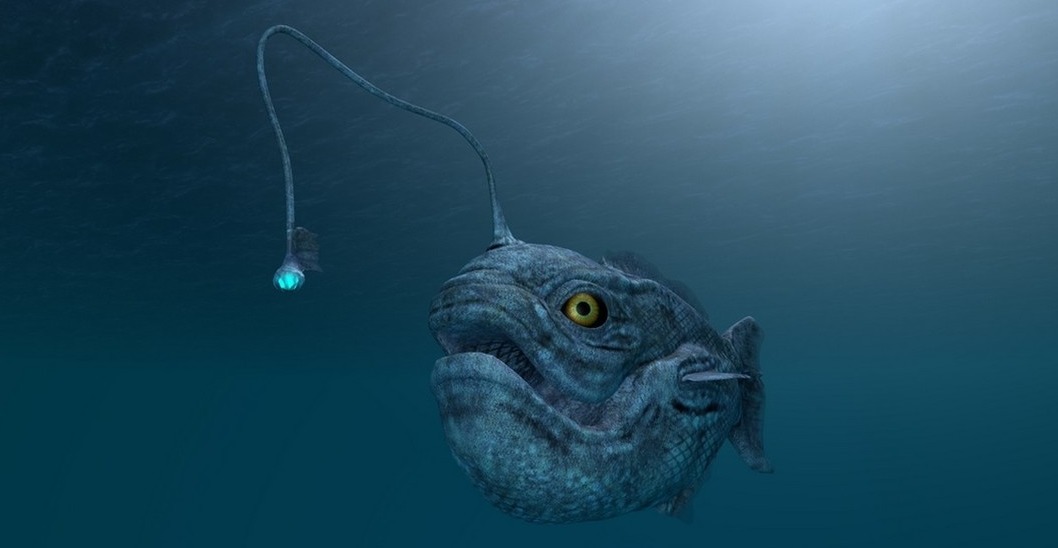
An anglerfish.
Some other animals, such as fireflies, can also produce light.
Cold light can also be produced in chemical reactions. An example of this is glow sticks. When the capsule inside the glow stick is broken, the two substances inside the stick can interact with one another. Their reaction produces light.

Glow stick bracelets.