
19. Dangerous waste
Dangerous waste
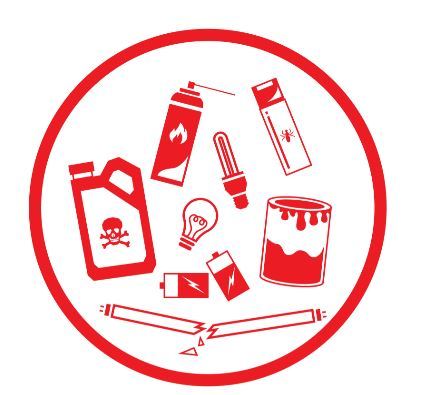 Examples of dangerous waste:
- energy-saving light bulbs and other fluorescent lamps
- batteries
- paints
- pressurized containers, such as aerosol cans
- pesticides and disinfectants
- strong acids, such as sulphuric acid
- medicines, syringes
- waste oil
- solvents, such as turpentine
- asbestos
- fire hydrants and gas bottles
- thermometers that contain mercury.
What kinds of waste are dangerous?
Waste treatment facilities accept all kinds of dangerous waste. These kinds of waste are also known as problem waste. Although these kinds of waste are dangerous for humans, they can still be recycled and reused with the right methods.
Dangerous waste includes all the substances that are harmful to both the environment and humans. They cannot be mixed with each other or with other kinds of waste. Dangerous waste must be well-packed, and they are usually stored in their original packaging.
Medicines and pharmaceuticals are useful when used correctly, but they can be dangerous if they end up in the wrong place. For example, small children can put themselves in danger if they get a hold of pharmaceuticals. This is why medicines and pharmaceuticals should always be stored in a locked medicine cabinet.
Medicines must also be used according to the instructions on the package. Unused and old medicines and pharmaceuticals must be returned to the pharmacy. They must be returned in air-tight, clear plastic bags, without their original packaging.

Old pharmaceuticals must be returned to the pharmacy.
Cleaning products are chemicals that are meant for cleaning purposes. The only cleaning product that you can put in your mouth should be toothpaste. Cleaning products must be kept out of the reach of small children. They must also be stored in their original packaging. Old cleaning products should be returned to waste treatment facilities as dangerous waste.
Solvents are used to remove paints and stains from surfaces. They are harmful both to humans and to the environment. When using solvents, follow the instructions on the packaging carefully. Old solvents should be returned to waste treatment facilities as dangerous waste.Electric devices
Small batteries are sorted and recycled separately from other waste. They contain harmful chemicals. They should also be kept away from the reach of small children. Old and used batteries are returned to the store or to some other battery recycling station.
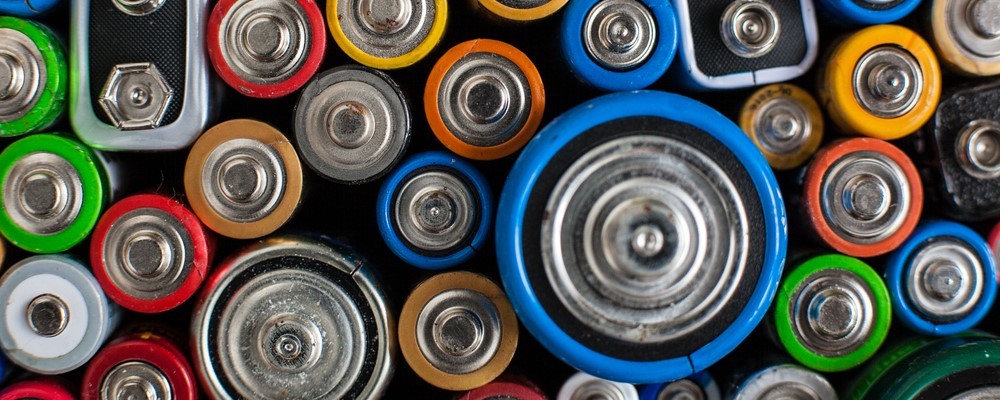
Small batteries belong to battery recycling stations, which can be found in most stores.
Electronic devices can be returned to the store they were bought from. Old mobile phones should be placed into phone recycling stations. Over 90 % of the materials contained in a mobile phone can be recycled. The rest can be burned. Mobile phones include all kinds of valuable metals, such as gold, silver and platinum.
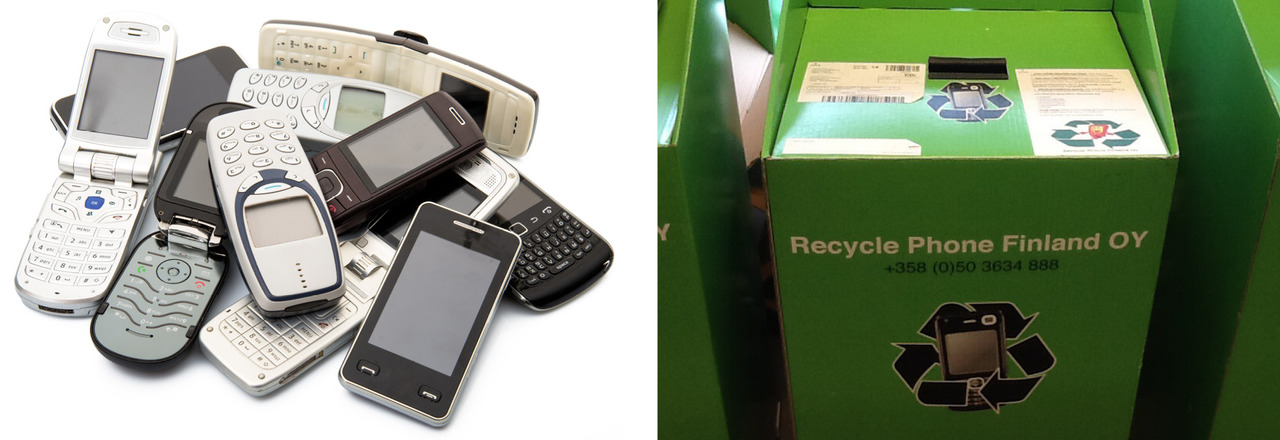
Electronic devices can be returned to the store they were bought from.
Terminology
| Term | Explanation |
|---|---|
| dangerous waste | Waste that is harmful for humans and the environment. |