
18. Separation of waste
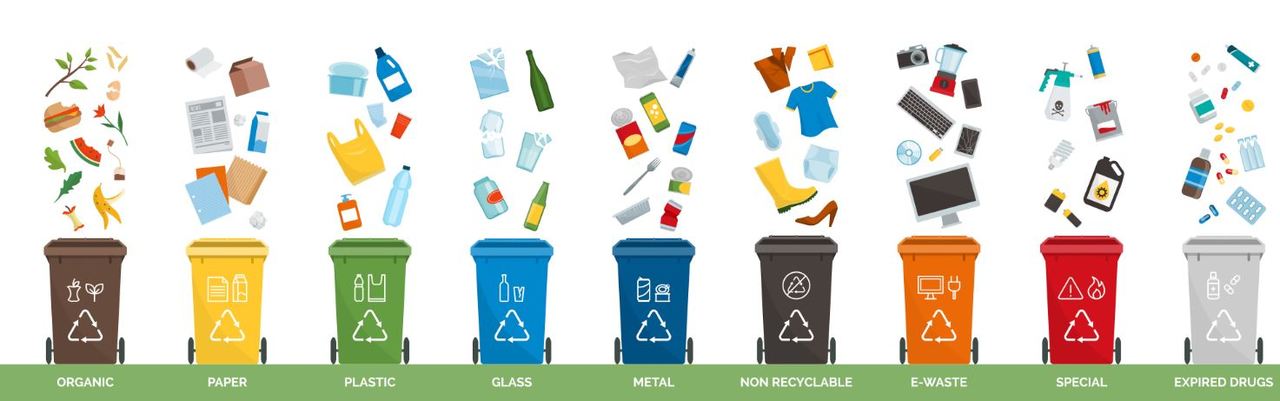
Glass, plastic and metal
Deposit containers are made of glass, plastic and metal. Plastic is harmful for the environment, whereas aluminium is so valuable that it must be recycled. Glass bottles can be reused multiple times by washing and refilling them.
Glass, plastic and metal bottles and drink cans can be recycled for a deposit. Make sure that the bottles and cans are empty before returning them to the stores. By returning these containers, you can participate in recycling and make money at the same time!
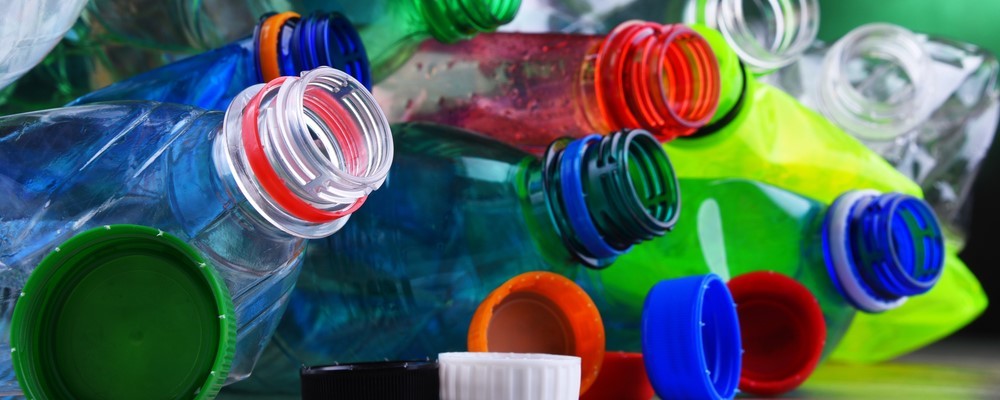
Bottles are separated and recycled. A bottle deposit exists to make sure that the bottles are recycled.
Metals are valuable raw materials. They are mined from the earth. Metal mines produce metal ore, which is a type of rock that contains different metals. To convert ore to metal, it must be refined through complex processes. The mining and refining of metal uses a lot of energy.
Metal cans and other small pieces of metal from food packaging should be put into the metal recycling bin. All containers should be washed clean before they are placed in the recycling bin. You can also flatten the containers to conserve space.
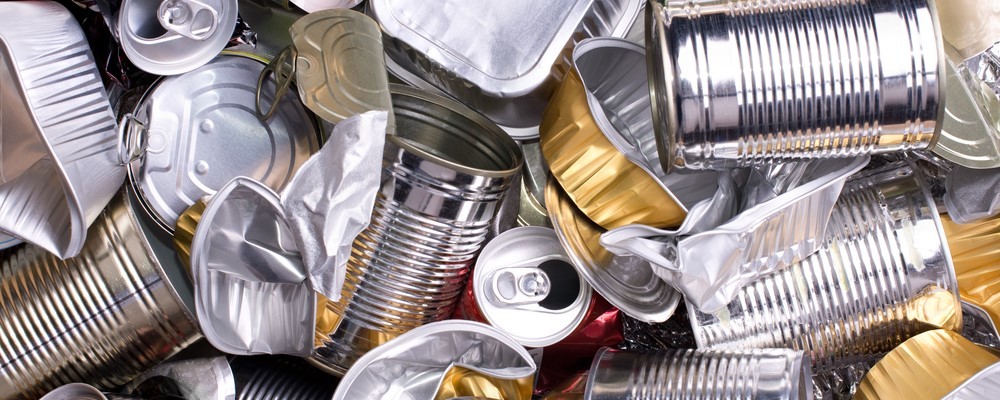
Metal cans and other small pieces of metal belong to the metal recycling bin.
Glass is a good material for bottles and cans. It is made from sand that is placed in high temperatures. Shards of glass can be dangerous for pets and people. Recycling glass conserves both energy and sand.
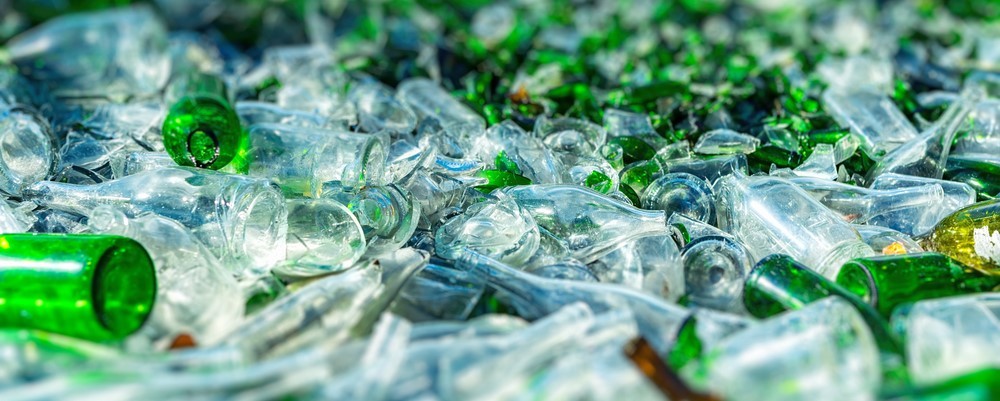
Used glass containers belong in the glass recycling bin.
Plastic packages

Empty, clean and dry plastic packages belong in the plastic recycling bin. These include food packaging, containers and plastic wrappers.
Plastic goods, dirty containers and PVC plastic products do not belong in the plastic recycling bin.
Paper, cardboard and clothes
Clean newspapers and magazines, brochures and advertisements do not belong in the trash. Instead, they can be recycled and used to make new paper products. Using recycled paper products conserves wood.
Most household papers, such as newspapers and magazines, belong to the paper recycling bin. Most paper products that come in the mail can be placed in the paper recycling bin.
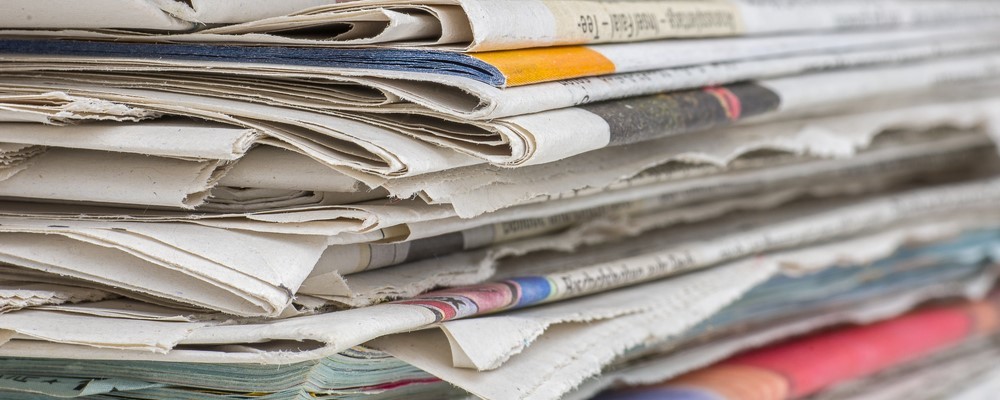
Magazines and newspapers belong to the paper recycling bin.
Many kinds of products from food to electronics come in carboard packaging. Cardboard is made from the same material as paper, but it is thicker and more durable.
Cardboard packages, such as cardboard boxes, packing materials and drink cartons, belong to the cardboard recycling bin. Cardboard packaging can be flattened and folded to save space.
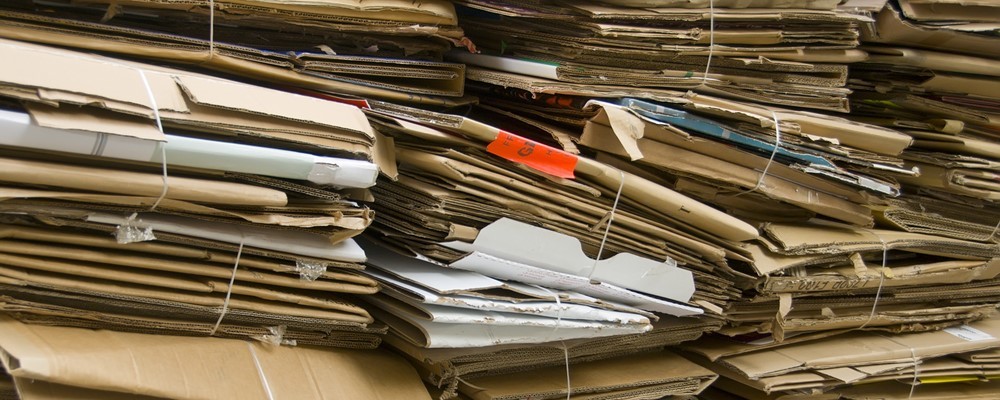
Cardboard packages and cartons belong to the cardboard recycling bin.
Used clothes do not belong in a landfill. Clothes should be bought responsibly, used for a long time, and given to others for reuse. Clean and undamaged clothing can be taken to a clothing bank or sold in a flea market.
Other kinds of textiles, such as damaged pieces of clothing, are usually burned. However, they can also be recycled and reused to create new kinds of clothing, accessories and other products.
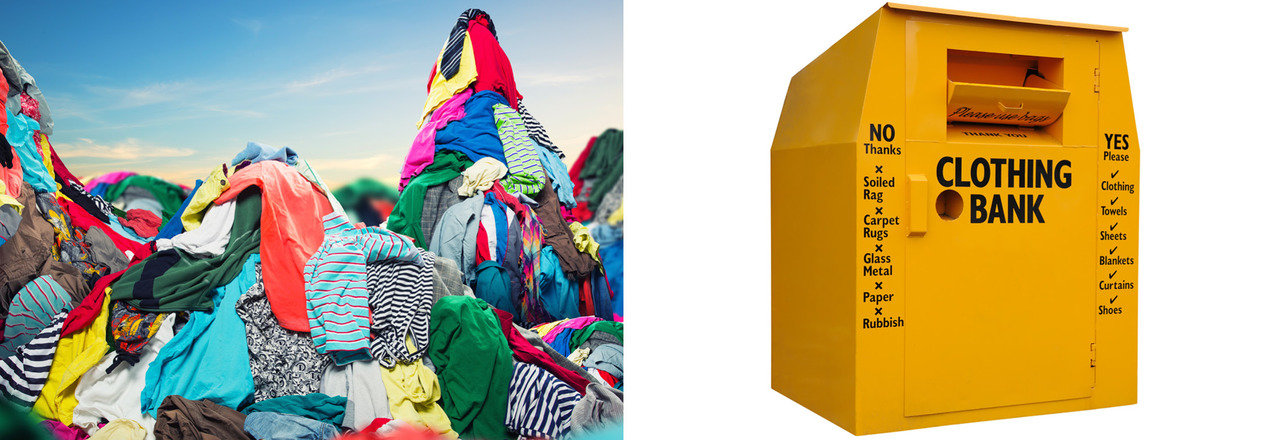 Clothes should always be recycled.
Compostable and mixed waste
Compostable waste or biowaste can be placed in a compost, where they are converted into soil for plants. Food waste and spoiled groceries can be sorted either into the biowaste bin or placed into a compost directly. Garden waste, eggshells and biodegradable plastic bags do not belong in the biowaste bin. Garden waste can be placed into the compost directly.
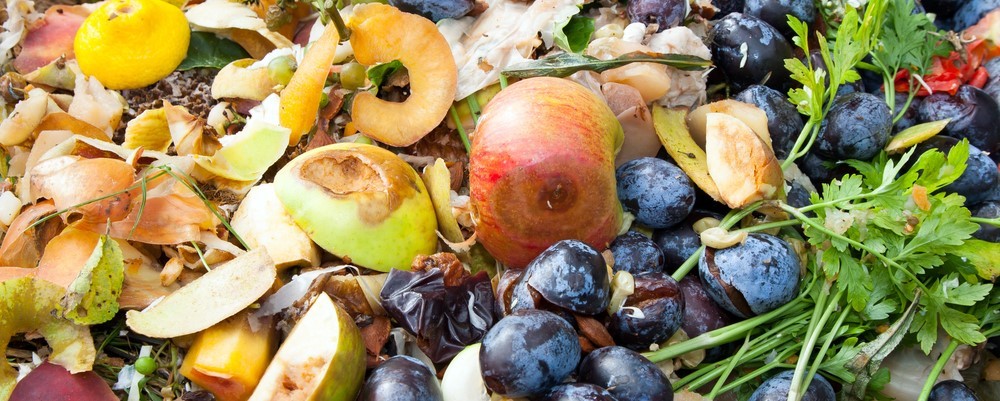
Biowaste is composted and converted into soil for plants.
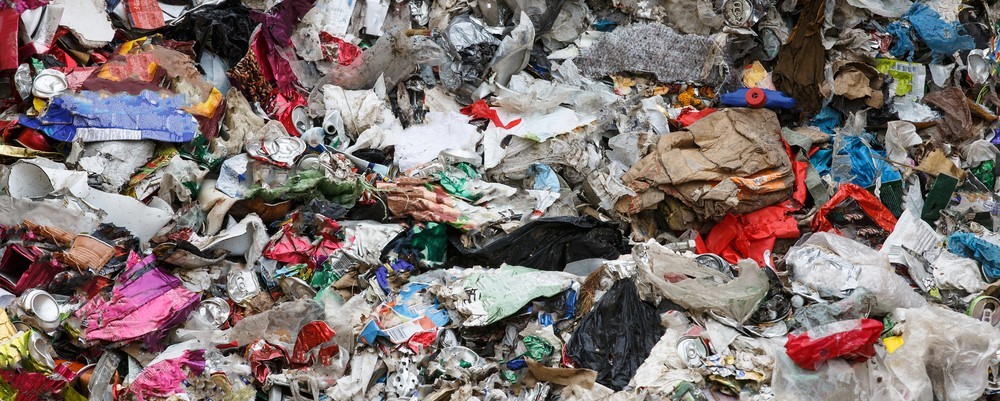
The amount of mixed waste should be kept at minimum.
Terminology
| Term | Explanation |
|---|---|
| deposit container | A bottle or can that can be returned to the store for a small sum after it is used. |
| cardboard | A thick, strong type of paper. |
| biowaste | Waste that comes from living organisms, such as food waste and garden waste. Also known as compostable waste. |
| mixed waste | Waste that cannot be sorted for recycling. Usually burned or placed in a landfill. |