
Electric circuits
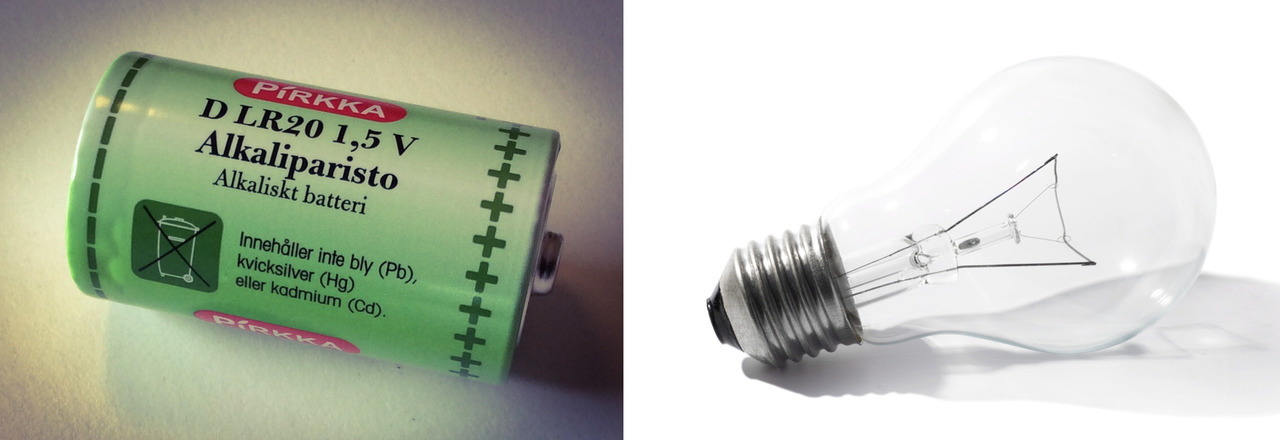
Electricity can be harnessed to travel through electric circuits. These circuits connect differently charged poles together. An electric circuit must always include a source of electric tension, such as a battery. A battery has two poles: a minus pole (-) and a plus pole (+).
Usually, an electric circuit also contains a resistor. This resistor usually makes something happen by using the electricity that travels through the circuit. A light bulb is an example of a resistor. It uses the electricity that travels through the circuit to produce light. Light bulbs also have two poles, which are the two grey spots inside the bulb. The two bulbs are connected with soldering tin.
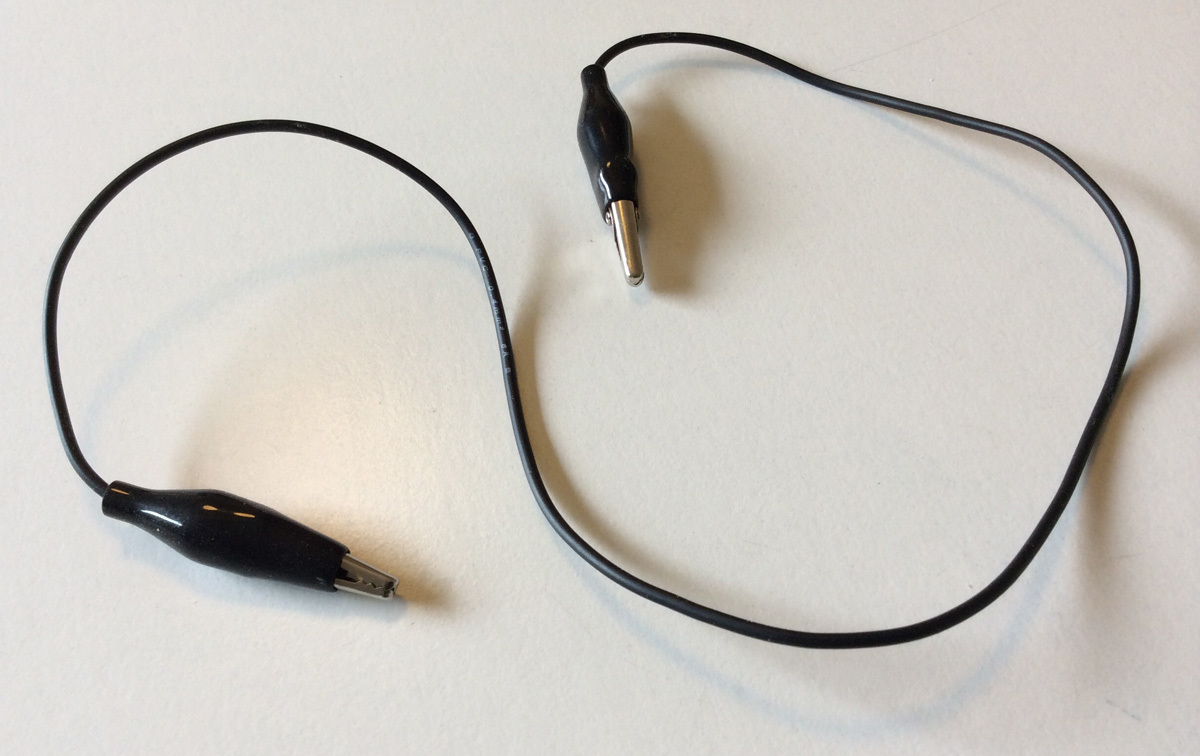 Electric circuits often also include conductor. Conductors also have two poles. These poles are located at the ends of the conductor, and they are connected by a wire made of metal. Copper is a popular metal in conductors, as it conducts electricity well.
Often, the conductor's metal wire is protected by a plastic coating. Plastic is a good insulant. Insulants are materials that do not conduct electricity.