
14. Converting electricity into light
Electricity can be converted into light
The oldest and most widely used method of converting electricity into light is to connect a metallic resistor or a filament into an electric circuit. Filaments are usually made of wolfram, which is the most heat-resistant of all the known metals. When the filament heats up, it begins to radiate light. Light bulbs that produce light this way are called incandescent light bulbs.
Because the function of the incandescent light bulb is based on a heat resistor, it produces more heat than light. This means that a lot of the electricity used to produce light is wasted. This is why incandescent lightbulbs are rarely used today.

Incandescent light bulbs.
Light bulbs
The heat resistor of an incandescent light bulb does not burn out, because it is covered by glass that prevents oxygen to interact with it. Burning is a process that always requires oxygen. Usually, the glass case of an incandescent light bulb is also filled with elements such as nitrogen and argon. These elements prevent the filament from evaporating into gas.
The hottest type of incandescent light bulb is the halogen bulb. Its glass casing contains a special glass that makes it possible for the filament to reach a high heat. A filament that burns at a high heat also produces a lot of light. Incandescent light bulbs should never be covered with cloth or any other material because their glass casings can warm up and set the material on fire. This is especially true with halogen bulbs.
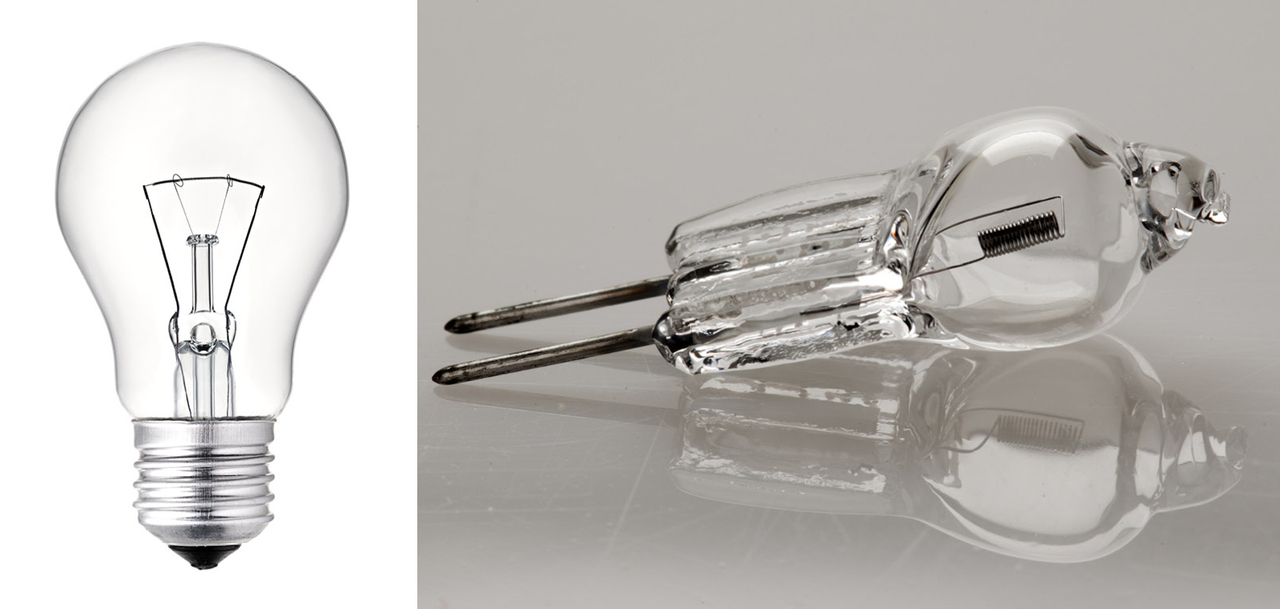
Incandescent light bulbs.
Because incandescent light bulbs produce more heat than light, they have mostly been replaced with more useful types of lamps, such as fluorescent lamps and led lamps. A fluorescent lamp consists of a glass tube that is filled with mercury and covered with a fluorescent material. When the fluorescent lamp is connected into a closed circuit, the mercury gas begins to produce invisible ultraviolet radiation. The fluorescent material on the lamp's surface transforms this radiation into visible light.
If a fluorescent lamp begins to flicker, it must be replaced. A flickering fluorescent lamp can even cause a fire hazard.
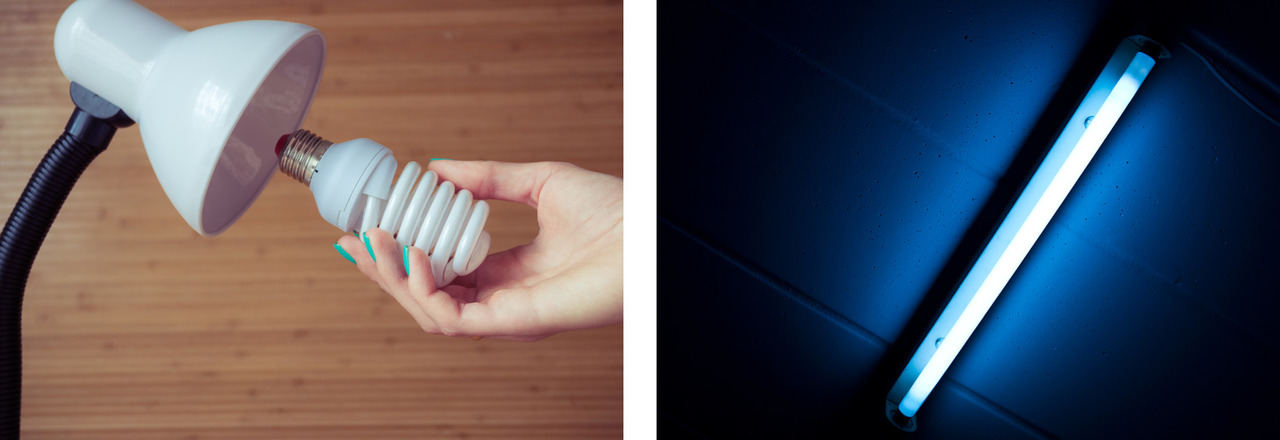
Because incandescent light bulbs produce more heat than light, they have largely been replaced with led lamps and fluorescent lamps.
LED lamps
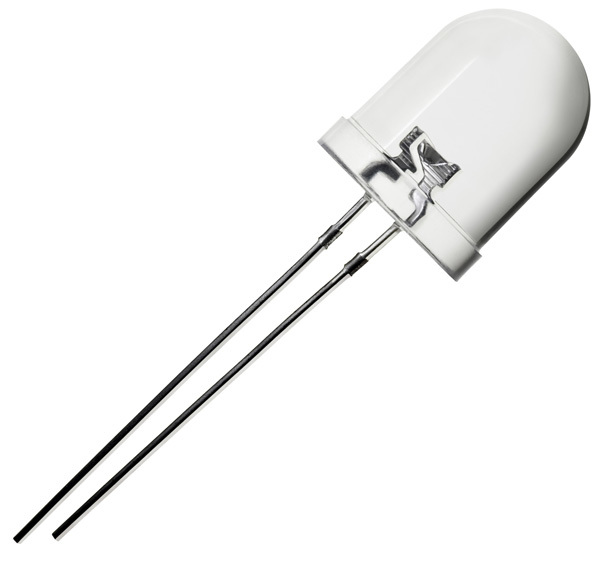 Nowadays, incandescent and fluorescent light bulbs are being replaced by LED lamps. When an LED lamp is connected to a closed circuit, the semiconductor material inside it begins to radiate light.
Nowadays, there are many kinds of LED lamps. They can be used to replace many kinds of incandescent and fluorescent light bulbs. LED lamps are relatively long-lived. However, they cannot work in high temperatures, which is why they are not used in ovens or saunas.
LED lamps are small and lightweight, which is why they are often used in head lamps and bicycle lamps.
LED lamps are also becoming more popular in cars and other vehicles.
The flat screen displays of televisions and computer monitors are often made of LED lamps. Remote controls also use LED lamps to produce invisible infra-red radiation that is detected by the device.
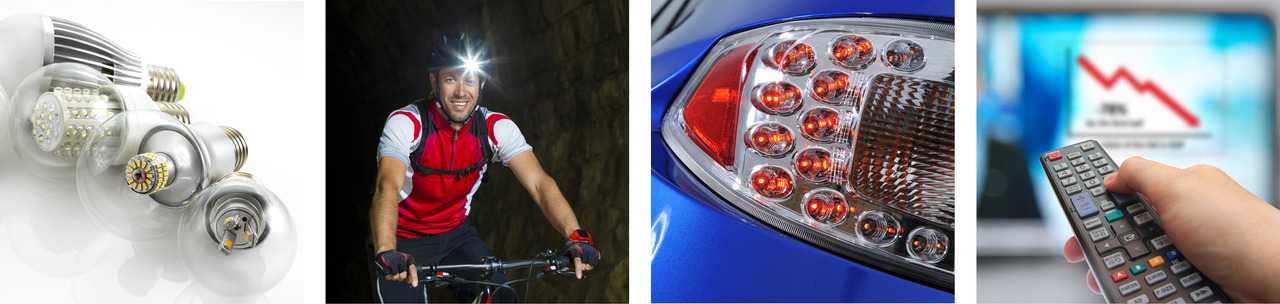
LED lamps. From left to right: household LED lamps, an LED head lamp, LED lamps in a car's red taillight and an LED remote.
Terminology
| Term | Explanation |
|---|---|
| incandescent light bulb | A lamp that uses a heat resistor or filament to produce light. |
| fluorescent lamp | A lamp that uses mercury gas and fluorescent material to produce light. |
| LED lamp | A lamp that uses a semiconductor material to produce light. |