- Being able to explain what biotechnology means.
- Being able to give examples of biotechnology.
- Being able to reflect on the pros and cons of biotechnology and genetic engineering for humans and nature.
- Learning to make choices based on your own values.
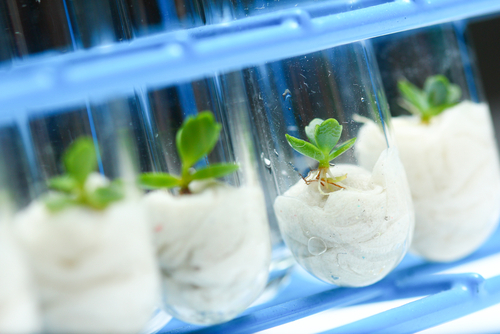 Biotechnology uses organisms or parts of organisms.
- The use of yeasts and lactic acid bacteria in making breads and cheeses, for example, is a traditional biotechnology.
- Functional foods have good effects on our health.
- Plant and animal breeding can be accelerated e.g. cell cultures and genetic engineering.
- When a gene is transferred from one species to another, we speak of a genetically modified organism (GMO).
- Microbes are used in industry in many ways.
- Medicine produces e.g. drugs and new cells through biotechnology.
- Fertility treatments are also biotechnology.
- The use of biotechnology is regulated by law and regulations.
- Previously known concepts: Cell, nucleus, chromosome, gene, DNA, heredity, mold, yeast, bacterium, virus, cell division, sperm, ovum, embryo.
- New key concepts: biotechnology, breeding, genetic engineering, stem cell, modification, selection, clone, tissue culture, artificial insemination, embryo transfer, gene transfer, genetic engineering, GMO, gene therapy.