
9.7 Blood pressure
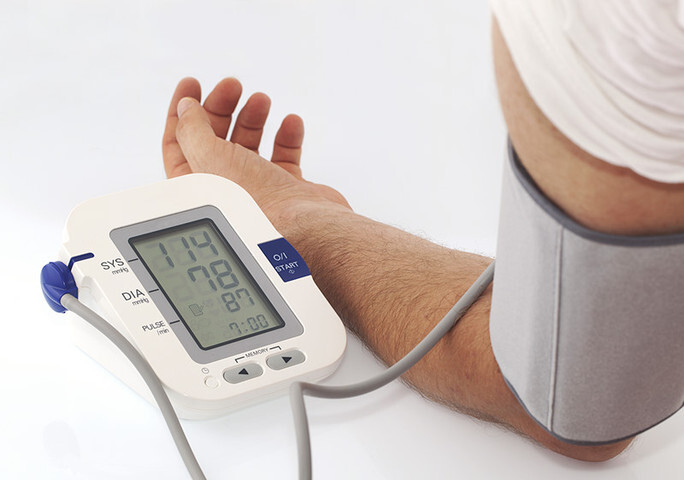
Arterial blood pressure is expressed as a measurement with two numbers. In this measurement, one number is found on the top (systolic) and another is located on the bottom (diastolic), like a fraction. The top number refers to the amount of pressure in your arteries during the contraction of your heart muscle, whereas the bottom number refers to your blood pressure when your heart muscle is resting between beats. The average reading for a young adult is 120/80 mmHg.
In hypertension (high blood pressure), the blood pressure readings are significantly higher than normal. Symptoms of hypertension may include headache, dizziness and visual disturbances. Maintaining a healthy diet and exercising are good methods of preventing cardiovascular disease.
If the venous valves in the lower limbs are not working properly, blood can flow back into the veins and the pressure inside the veins can increase. This results in varicose veins, as the fluid is drained from the veins to the surrounding tissues. Typically, varicose veins can be found just under the skin.