
The environment in art - art in the environment
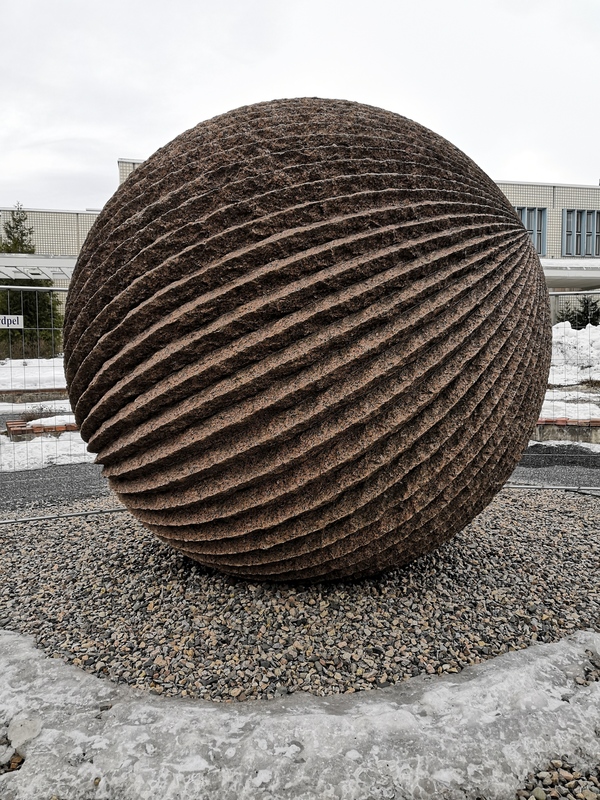
While the environment is often portrayed in art, art can also be found in the everyday environment. Most cities and towns have works of art on public display. These might be statues of important people, examples of contemporary art or art specifically tied to the place.
Public art can be of almost any kind, it's defining feature is that is is open to view by any member of the public. A work of art may be presented in public because it expresses the values of the community, enhances the environment or reflects the place. What makes public art interesting is its location - situated right where the people are, works of public art often become places to meet up or hang out. Sometimes you might even see people sitting on top of these works of art.
Public art is often commissioned for the site where it is located. This is why it often fits in well with its surroundings. Public art might be privately owned, or it might be the property of a city or another public body. An example of place-speficic public art can be seen below - the street art piece in Ghent, Belgium (right) portrays the famous Ghent Altarpiece (left), situated in the same city.
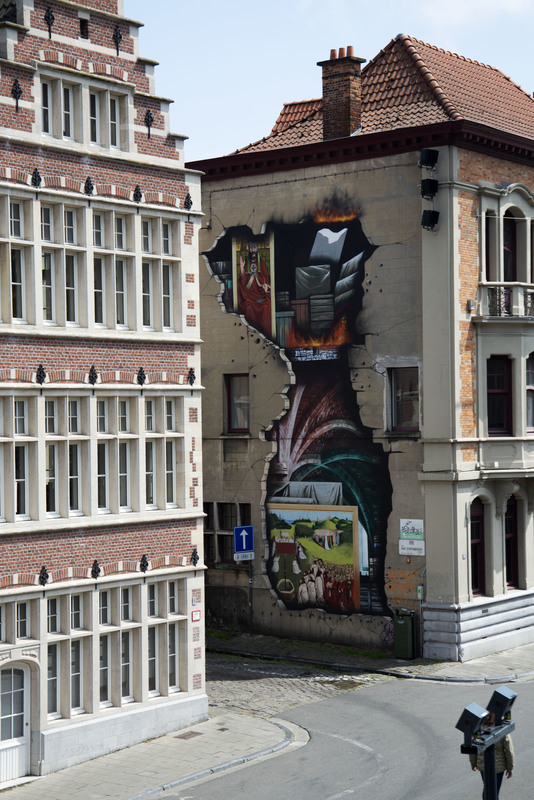
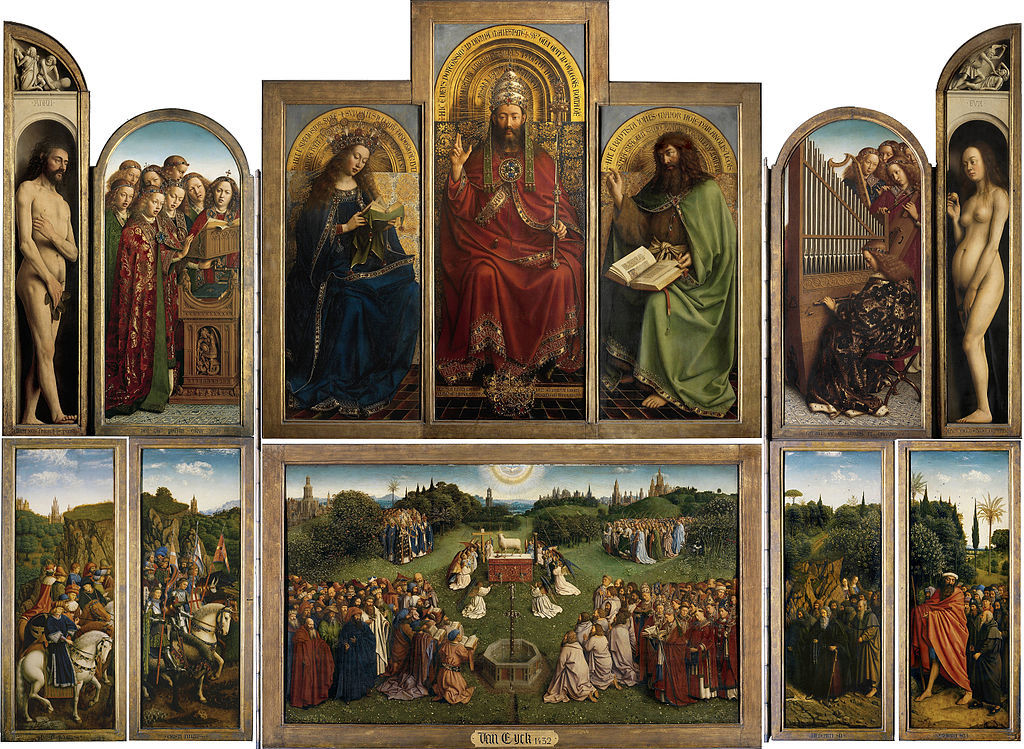
Different to official public art, there is also independent public art. This type of art is not officially sanctioned, that is, it has not been given official permission. Some independent public art is illegal, such as graffiti; however, some works of art are approved even if they are not official. It might be impossible to know which works of art have been commissioned or not, because even illegal street art is often very well made.
Think 2.1 Think about your own everyday environment. What kinds of public art do you see when you go to school? What do you see on your way to hobby?
What counts as art? Can illegal graffiti be considered art, and if so, what kind of graffiti?
Create 2.1 Design your own street art.
- Choose a place from your own surroundings. This can be from your neighbourhood, near the school or anywhere you visit frequently but find dull. Take a picture of this place. You might want to choose a wall if you want to make a mural, or an opea area if you want to make a sculpture.
- Design a public work of art, that would make the place more interesting. You can find inspiration from a place name, its history or its purpose. For example, for an ice hall you might choose a topic related to ice hockey. You can also take a stand - pick a topic that expresses your opinions! Make a few sketches - you can show these to your classmates, and get comments! Remember to use the picture of the place to make sure your artwork fits.
- Draw or paint a final version of your art on paper.
- Take a photo of your artwork. Upload it to an editing programme. With the help of the photo editor, bring your artwork to the photograph of the environment! Alternatively, you might paint your artwork directly onto a printout of your original photograp