Thermostats
Thermal resistors are made out of metal. In some devices, the thermal resistor is protected by an insulant and a thick metal tube. This makes the resistor safer and more durable.
In the image below, a metal tube that surrounds the thermal resistor of a sauna stove can be seen glowing red. The electric sauna stove is controlled with a thermostat. A thermostat measures the temperature of the stove and controls the amount of electricity that is directed to the thermal resistor. 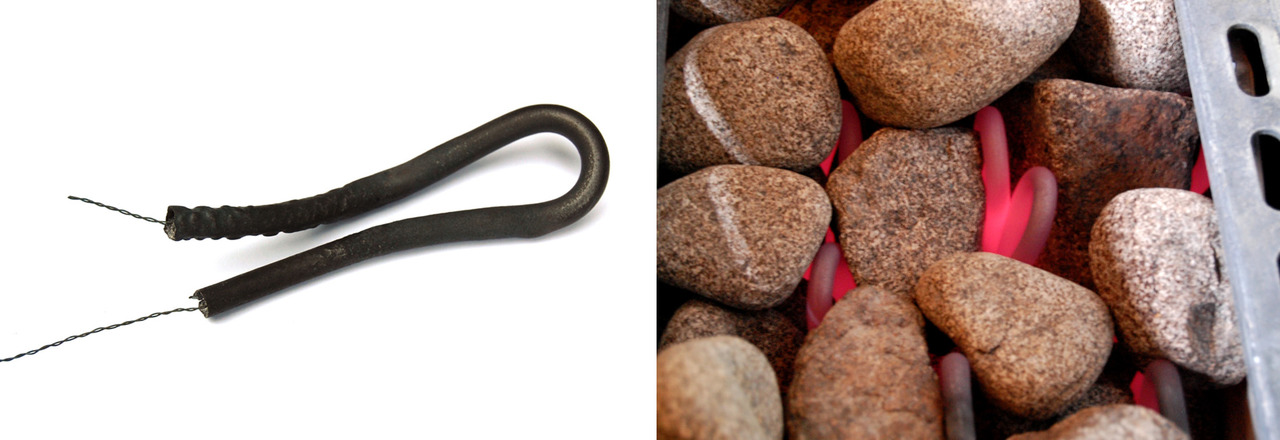
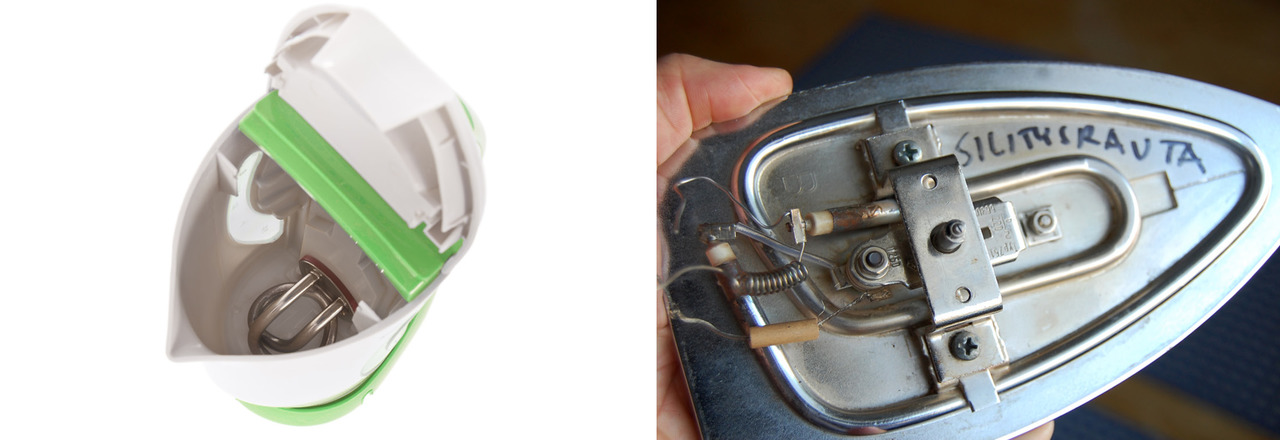
The images below display the thermal resistors of an electric kettle and an electric iron. An electric kettle is an efficient tool for boiling water, as it uses less energy than a stove or a fire. The thermal resistor inside the kettle heats up the water inside it. When the water is boiling, the kettle's thermostat opens the electric circuit, which turns off the thermal resistor.
The thermal resistor of an electric clothes iron is found below its bottom plate. The thermal resistor is protected by a metal tube. The iron's thermostat is used to select the desired temperature. When the thermal resistor reaches that temperature, the thermostat opens the electric circuit. This turns off the thermal resistor.