Thermal resistors
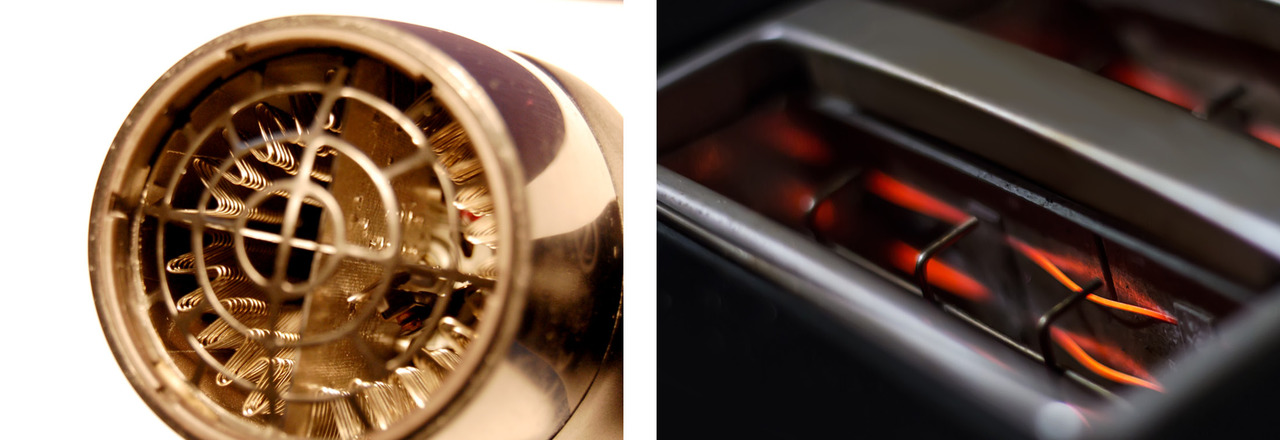
Most devices and machines that produce heat do so with the help of a thermal resistor. A thermal resistor can be found in a hairdryer, for example. The thermal resistor of a hair dryer has been moulded into a spiral shape. As electricity travels through the hairdryer's circuit, the thermal resistor begins to radiate heat. The hairdryer's electric motor and rotor then blow the warm air outwards.
Thermal resistors can also be found in toasters. The thermal resistor of a toaster usually begins to glow red when it is heated. The thermal resistor is controlled by either a thermostat or a timer. They control when the circuit of the toaster is opened and closed. A thermostat measures the temperature inside the toaster, whereas a timer is a kind of simple clock.
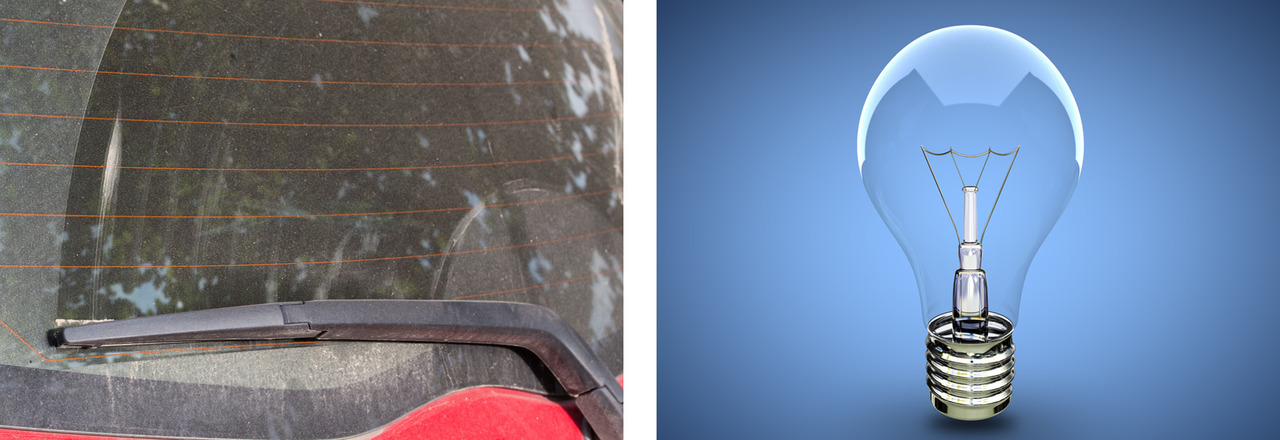
The thin lines found on the windows of some cars are also thermal resistors. When electricity is directed through them, they heat up. By doing so, ice and frost can be removed easily from the windows.
The incandescent light bulb is also an example of a thermal resistor. When electricity travels through the light bulb's thread, it begins to radiate light and warmth.
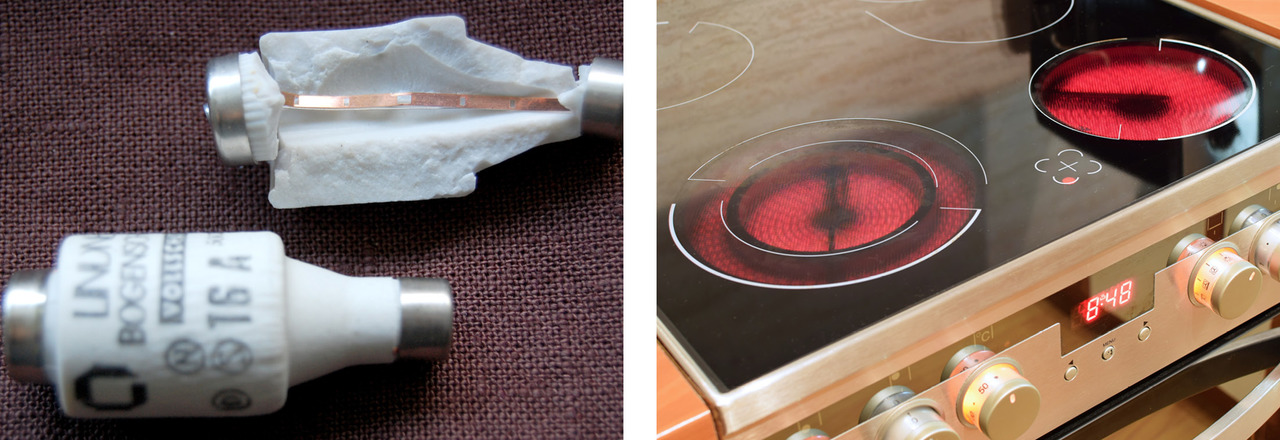
Even ceramic fuses contain thermal resistors. When an electrical disturbance occurs in the electric circuit, the thermal resistor of the fuse will heat up and break itself. This helps to prevent the electrical disturbance from causing damage to other parts of the electric circuit. Nowadays, ceramic fuses are being replaced by automatic fuses in many households.
The heat of a normal electric stove is also produced by a thermal resistor. The resistor can be sometimes seen glowing red under the stove's ceramic surface.