
9. Fruits and vegetables
Fruits and vegetables are healthy
 Cereals are used in many kinds of food products. The most common cereals that we eat on a daily basis are wheat, oat and rye.
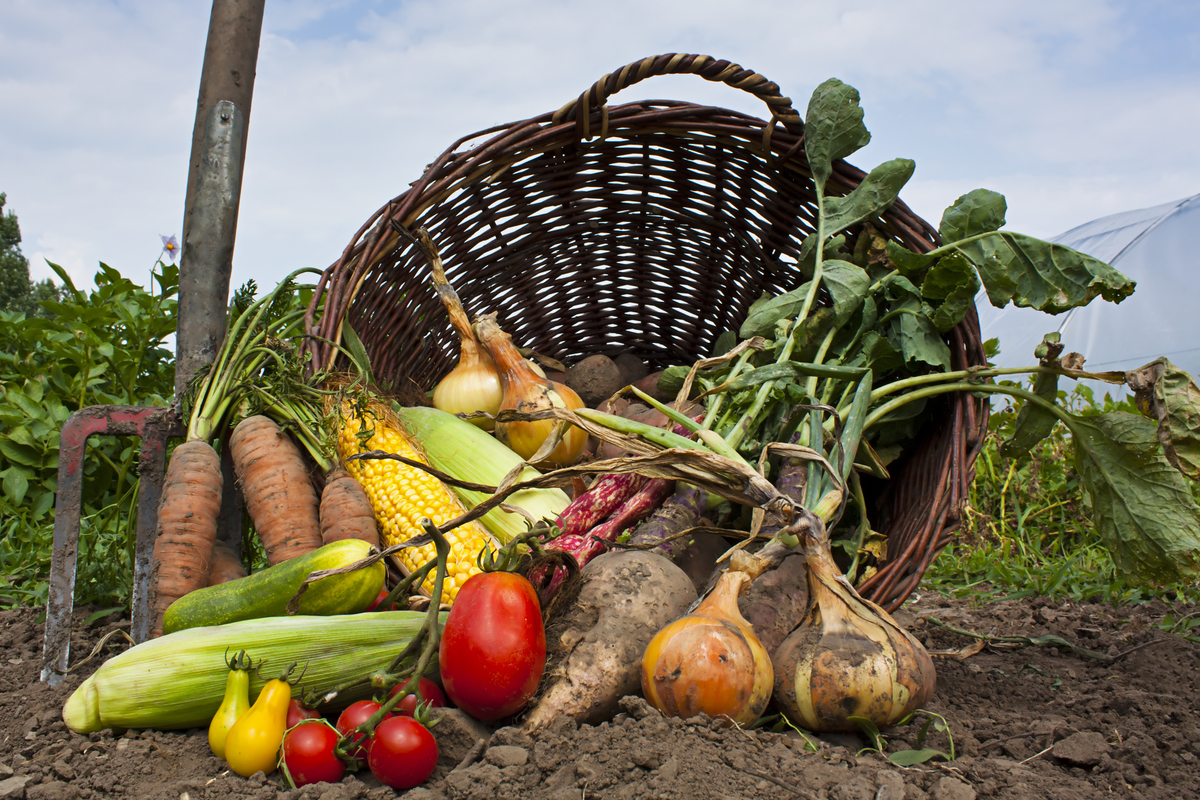
 Fruits (such as apples and bananas), vegetables and root vegetables are also an important part of our diet. According to modern nutritional guidelines, one half of each meal should consist of plant-based food such as fruits, vegetables and root vegetables.
Fruits and vegetables contain many important substances that we humans need in order to stay healthy. These substances include vitamins and nutrients. In addition, vegetables and fruits provide a source of fibre, which is important for our digestive system. Some plants also contain important proteins and carbohydrates. Because of this, even a completely plant-based diet is possible.
Edible garden plants
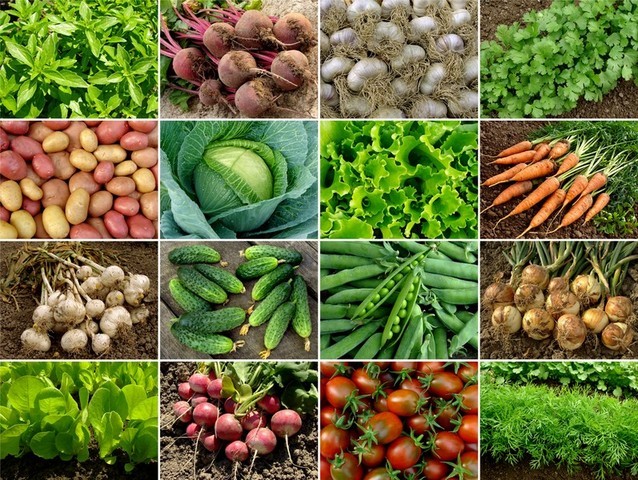
The picture on the right shows some edible garden plants.
Top row: an example of an herb (basil), beet, garlic, parsley.
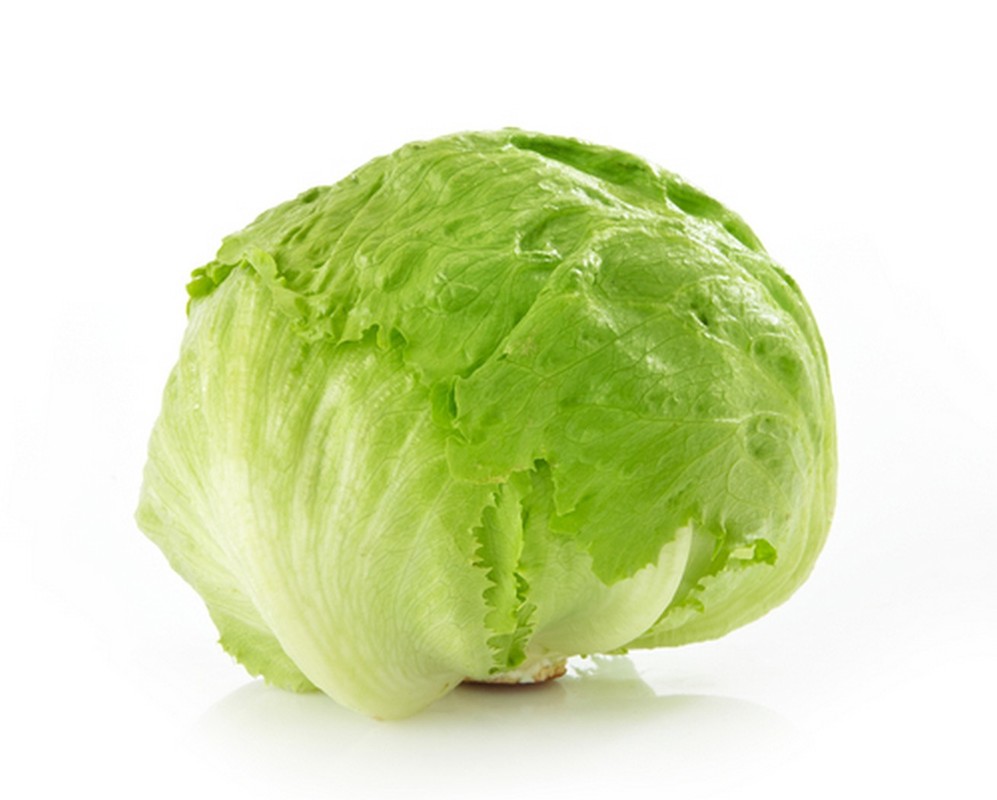
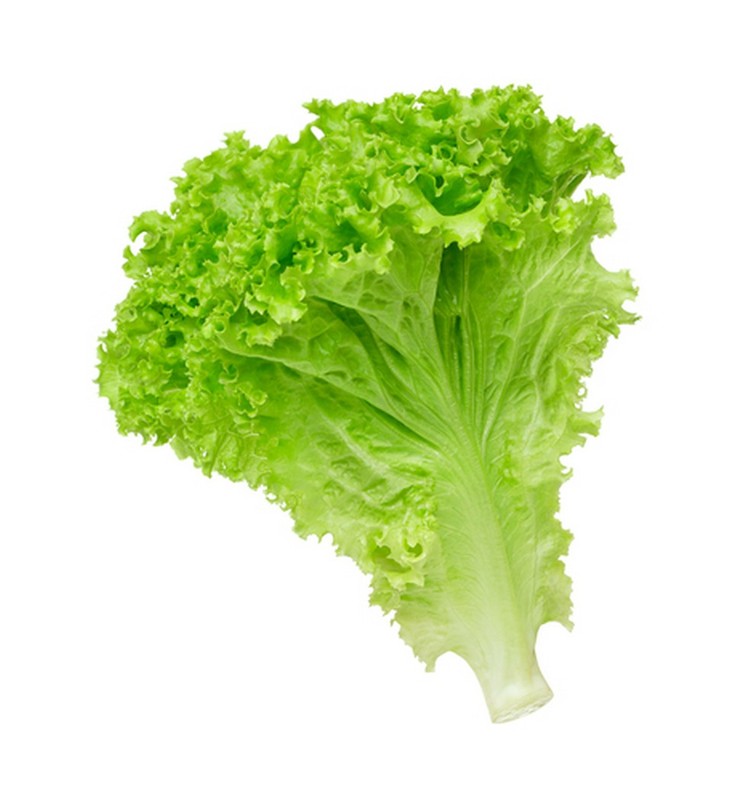
Second row: potato, cabbage, salad, carrot.
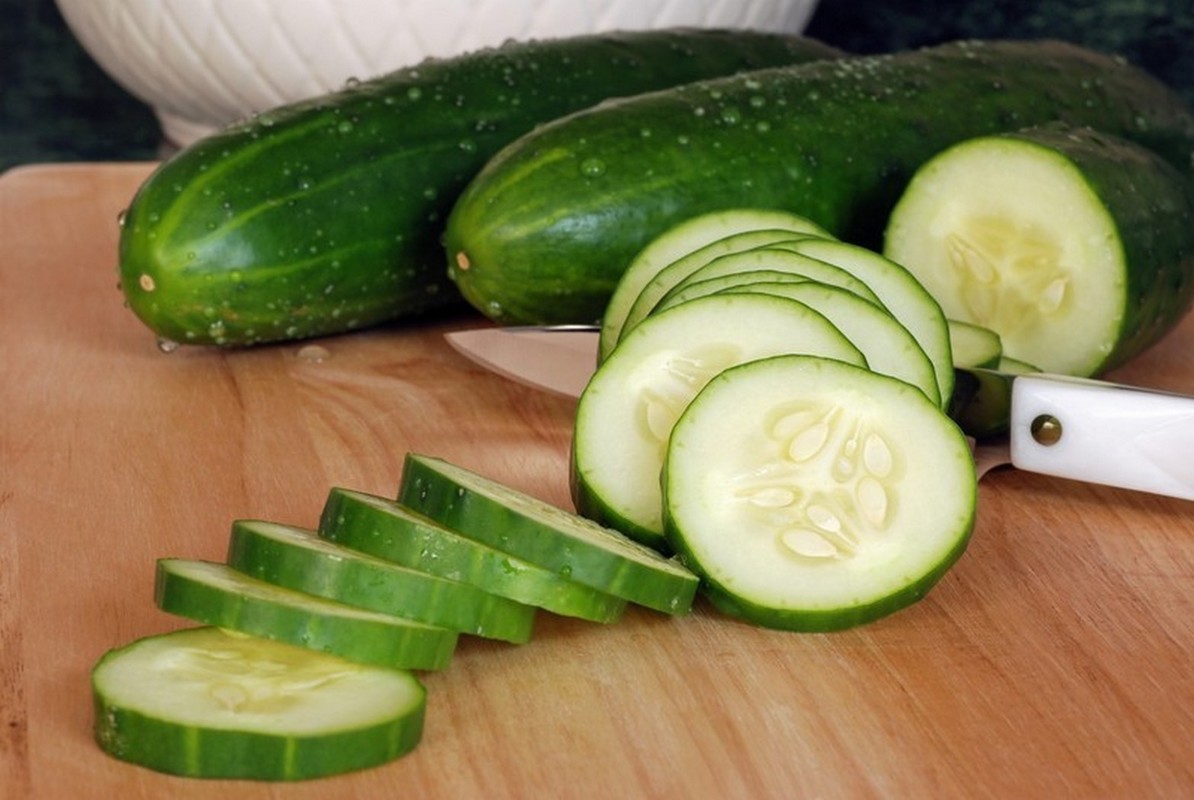
Third row: garlic, cucumber, pea, onion.
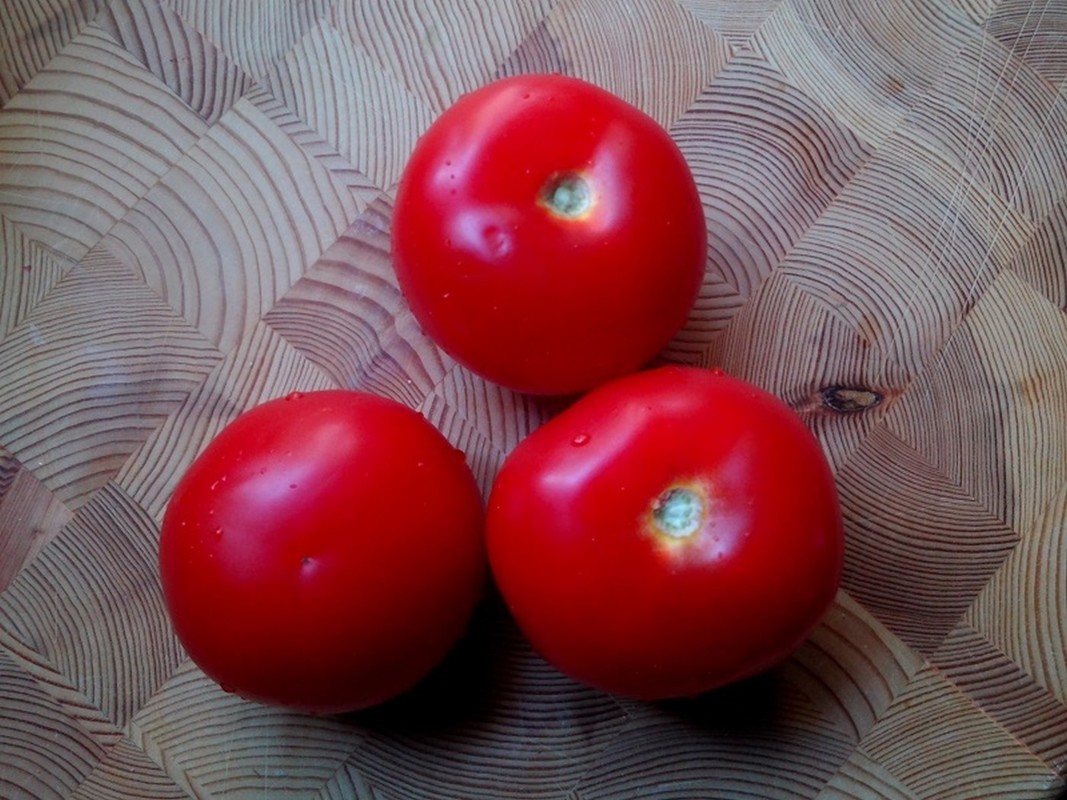
Bottom row: salad, radish, tomato, dill.
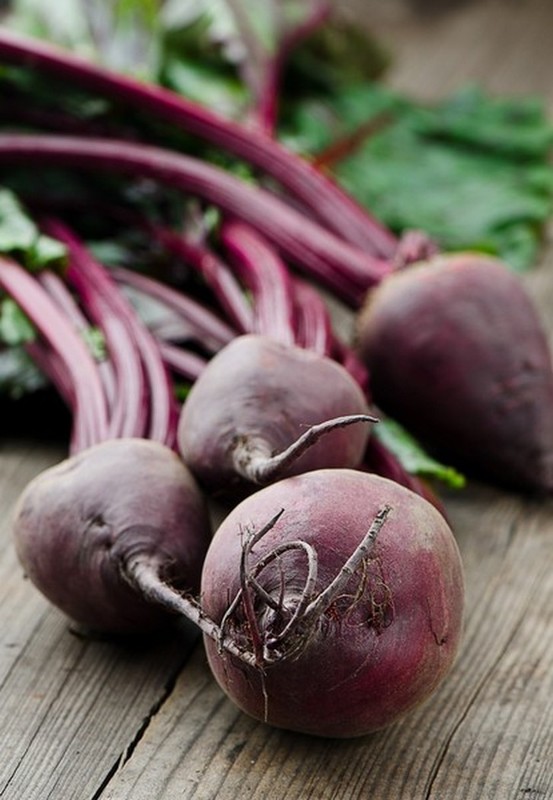
Beet
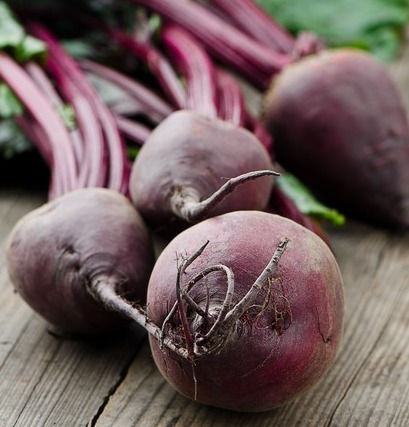
Beet is a colourful root vegetable. It was very popular in Europe during the Middle Ages.
It contains many important vitamins and nutrients.
Beets can be used in salads or soups.
Cabbages and related plants
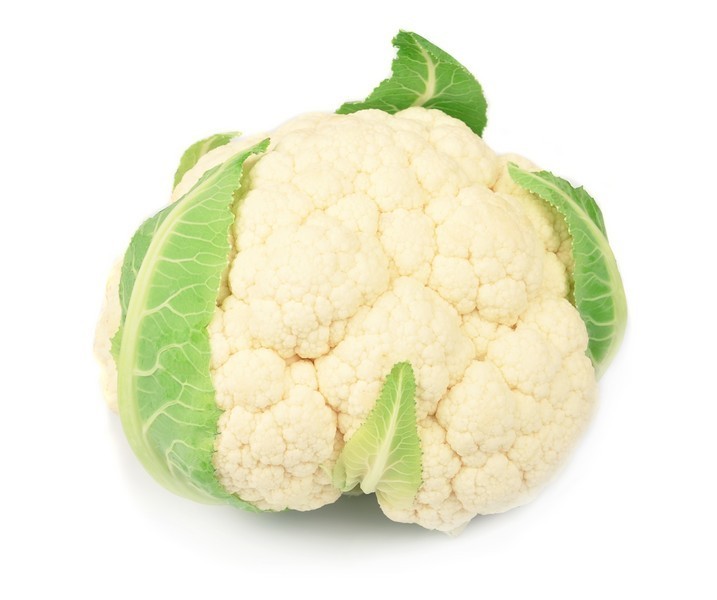
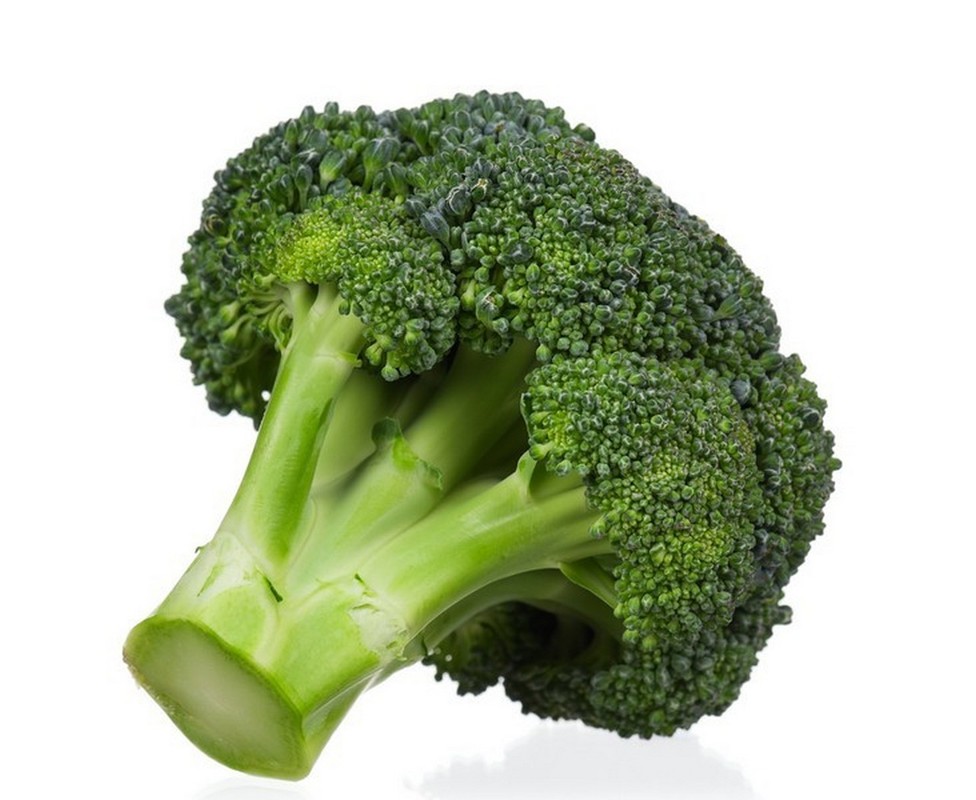
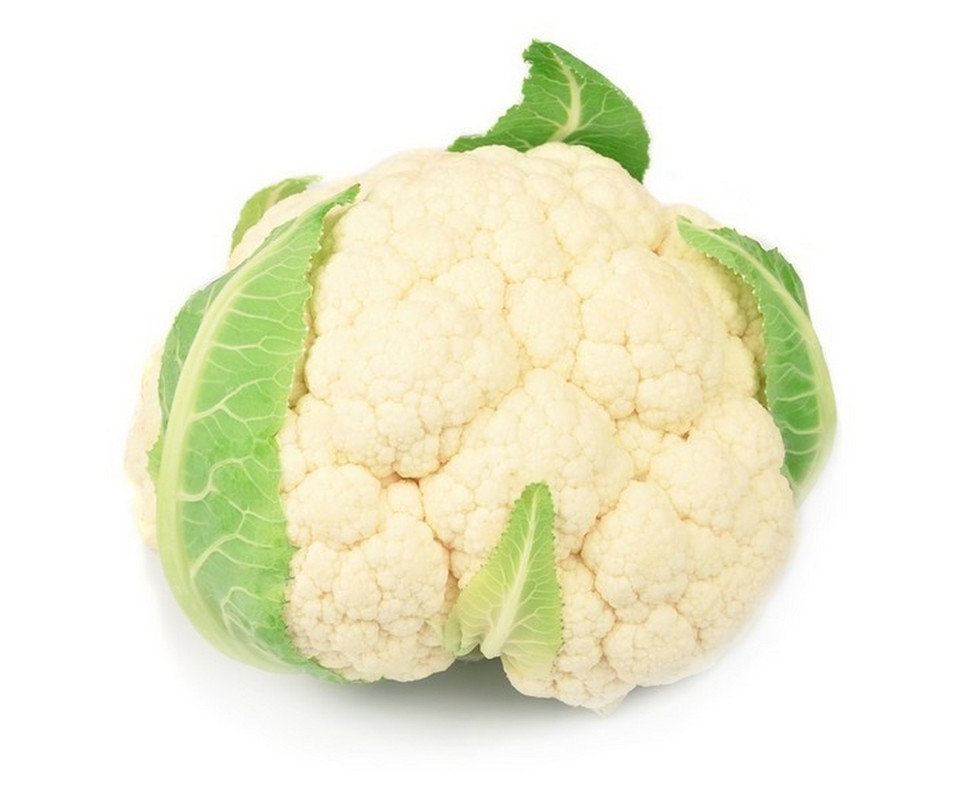
Cabbage is a popular edible plant. It has been cultivated and improved into various kinds of different species. Are you familiar with cauliflower, cabbage, brussels sprouts and broccoli?
Like many other plants, cabbages contain a lot of vitamins and nutrients. They can be eaten by themselves as salad, and they can be used to cook various soups, sauces and other kinds of meals.
On the left: a head of a cauliflower.
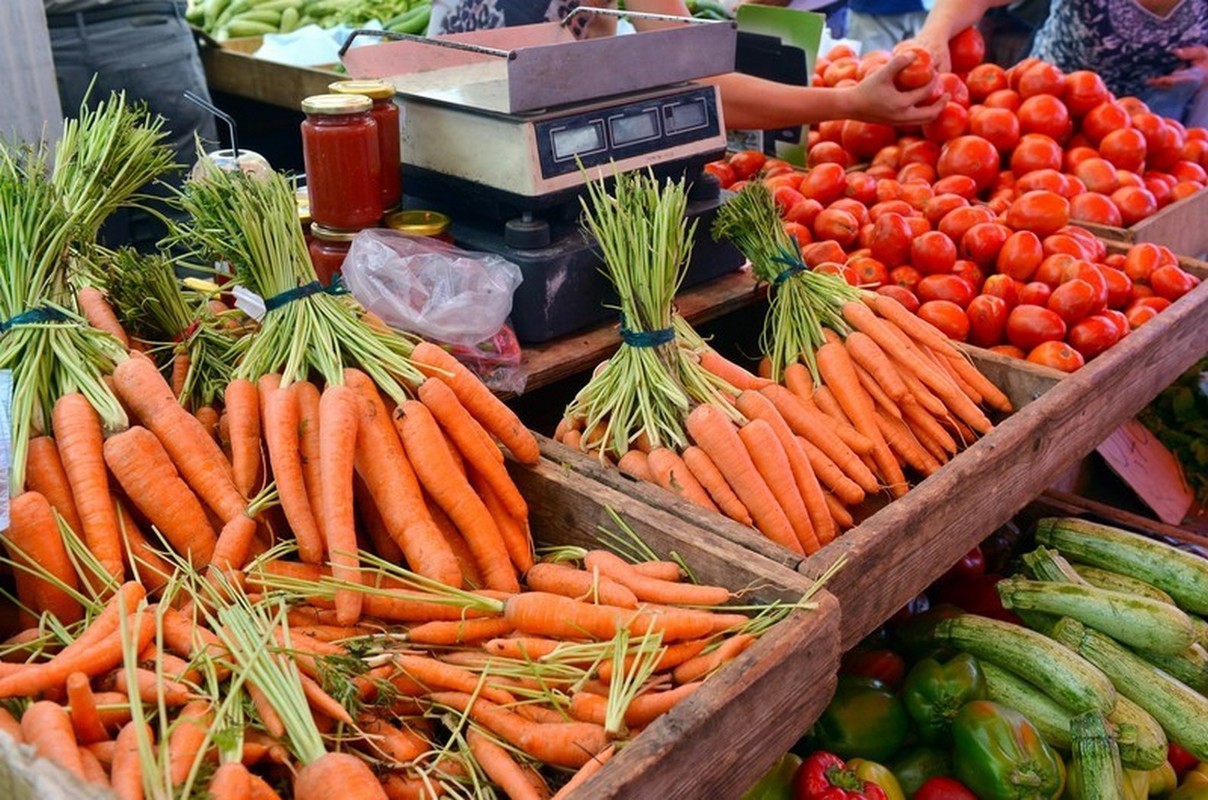
Carrot
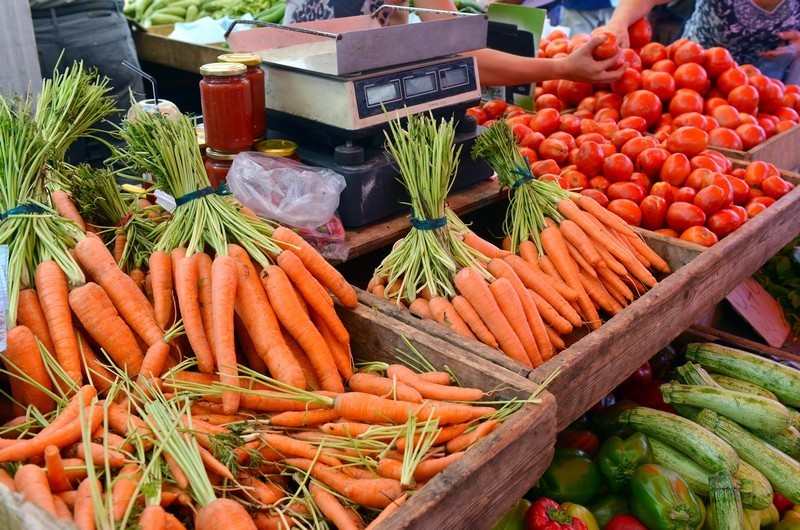 Carrot is a popular, colourful root vegetable. The orange colour of a carrot comes from a pigment contained in the plant's cells. This pigment is also a good source of vitamin A for humans.
 Carrots can be used in many different foods, including salads, soups and sauces. They can be eaten raw.
Carrots are a healthy food. Some people even believe that they can cure certain illnesses!
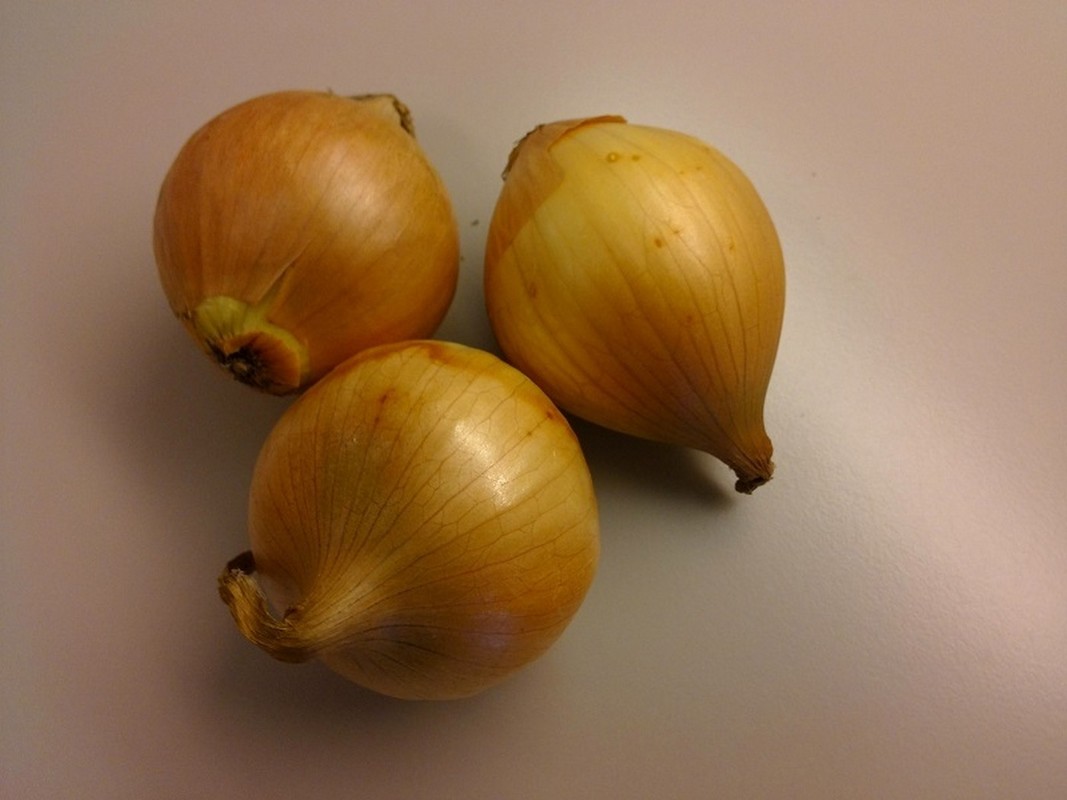
Onion
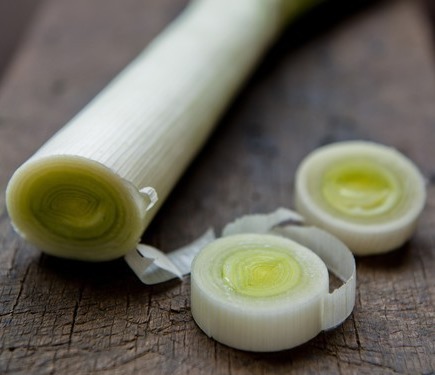 Onions come in many different shapes and sizes, the most common of which are yellow onion, red onion, garlic and chives. The picture on the right shows a leek, which is also a kind of onion.
Onions have a strong smell, which is caused by substances contained in their cells. Some onions can even make you cry when you are cooking with them. The crying reflex is triggered when the onion's aromatic substances are released into the air.
Onions are a good source of vitamins and nutrients.
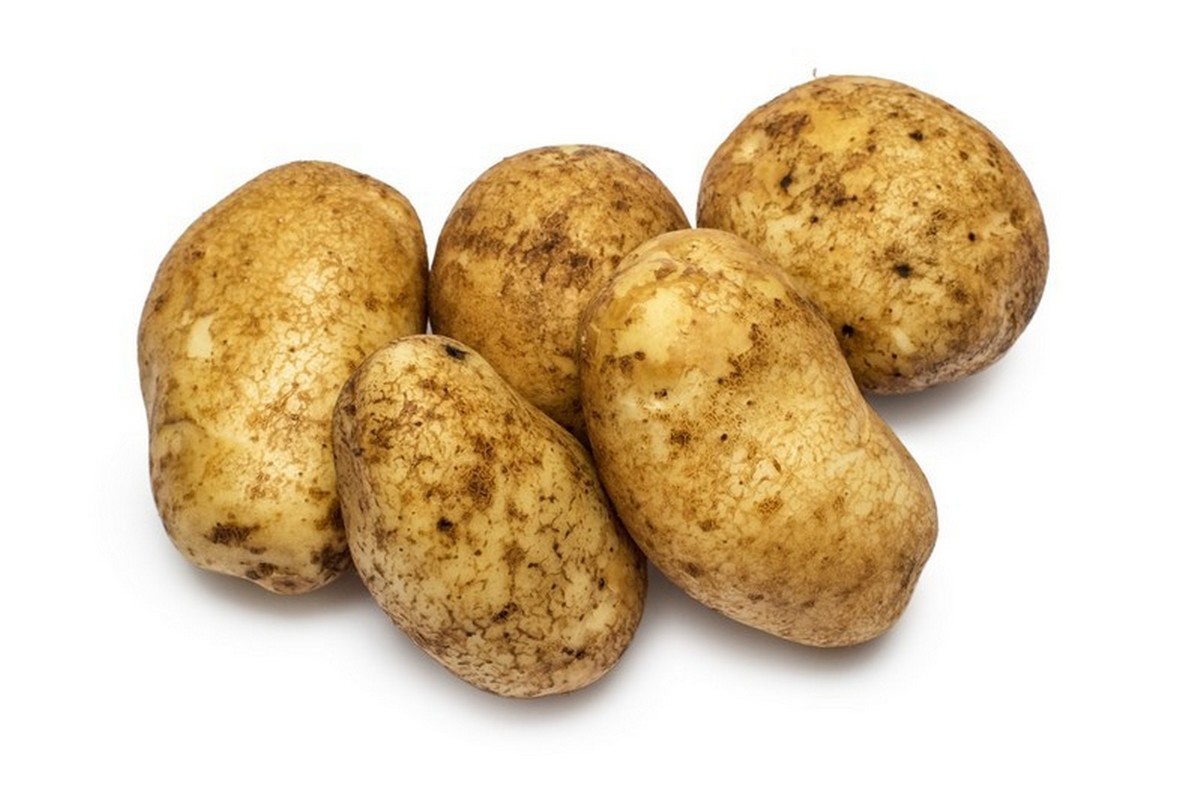
Potato
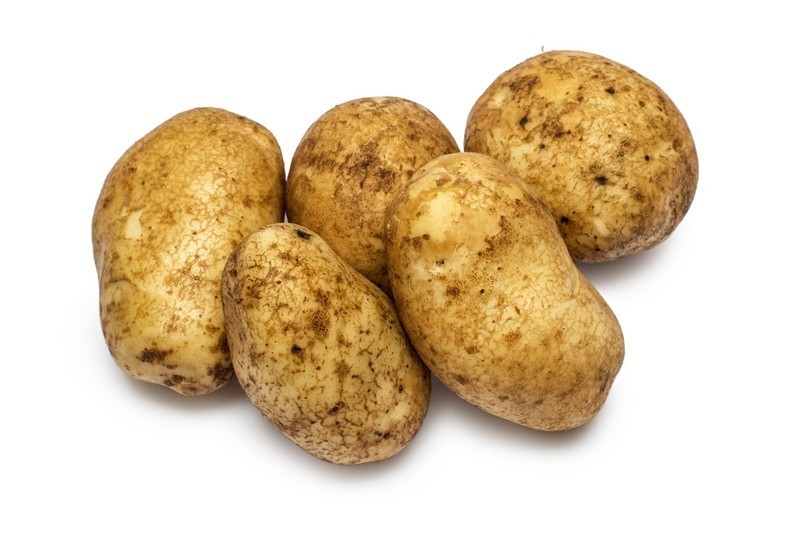 Potato is one of the most widely used edible plants. The edible part of the potato is called a tuber. The tubers of a potato plant grow underground. Other parts of the potato plant are inedible.
Potatoes come in many different colours. The most popular types of potato are usually yellow or brown in colour, but there are also red and even black varieties. Potatoes contain a lot of starch, as well as some protein and vitamin C.
Potatoes can be eaten in various foods: they can be boiled, they can be made into potato mash, or they can be fried. French fries and potato chips are popular potato-based foods. Potatoes can also be ground to make starch, which is a type of potato flour used in cooking..
Swede and turnip
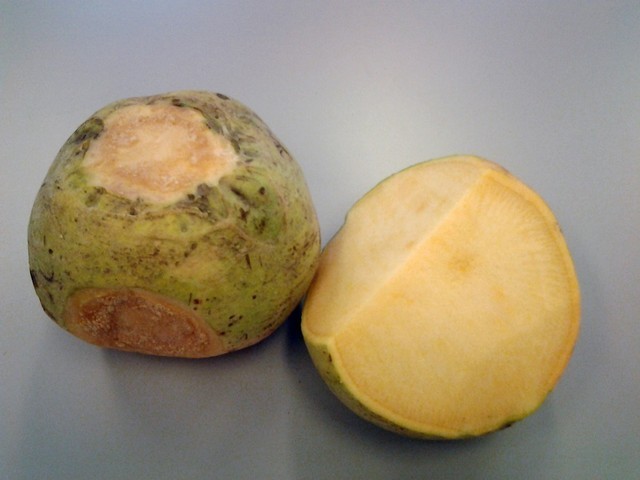
Swede and turnip are not widely used today, but they have been historically important, especially in Northern Europe. They were popular edible plants in Europe from the Middle Ages to the beginning of the 19th century.
Swedes and turnips are healthy plants. They contain large amounts of vitamin C.
They can be eaten either fresh or boiled. Both swedes and turnips can be used in salads or in soups.
Cultivated vegetables and root vegetables
www.shutterstock.com
www.shutterstock.com
www.shutterstock.com
www.shutterstock.com

www.shutterstock.com
www.shutterstock.com

© Anneli Rantamäki & e-Oppi Oy

www.shutterstock.com

www.shutterstock.com
www.shutterstock.com

www.shutterstock.com
www.shutterstock.com
© Anneli Rantamäki & e-Oppi Oy

© Anneli Rantamäki & e-Oppi Oy
www.shutterstock.com

www.shutterstock.com

www.shutterstock.com

© Anneli Rantamäki & e-Oppi Oy
© Anneli Rantamäki & e-Oppi Oy

www.shutterstock.com
Terminology
| Term | Explanation |
|---|---|
| vegetable | A plant whose parts are used as food. For example cabbage and cucumber. |
| root vegetable | A plant whose roots are used as food. For example beet and carrot. |