
Density
The density of matter determines how easy it is to float in it. The more dense the substance, the easier it is for things to float in it.
Look at the image on the left below. The glass on the right is filled with regular water. When a piece of potato is placed in the glass, it will sink to its bottom straight away. The glass in the middle contains water mixed with salt. This helps to make the solution thicker. As a result, the piece of potato floats near the surface of the water. The glass on the left contains water in two layers: the upper layer contains regular water, whereas the lower layer contains salt water. As a result, the piece of potato is floating halfway between these two layers.
It is easier for humans to float in salt lakes than in regular lakes. Water that has a high salt concentration is more dense than the human body. The best-known salt lake in the world may well be the Dead Sea, located in Israel.

Images on the left: The potato floats or sinks depending on the density of the solution. Image on the right: A human can float in a salt lake easily.
Look at the image on the left below. Substances that are less dense than water, such as yellow cooking oil, float above water. Conversely, substances that are more dense than water, such as dark syrup, sink below the layer of water. Similarly, warm water floats on top of cold water, because its density is lower.
Water is a strange substance, as solid ice usually floats in liquid water. Normally, solid matter is more dense than its liquid counterpart. For example, if you throw a chunk of solid iron in a pool of liquid iron, it will sink immediately. However, an ice cube placed in a glass of water will float near its surface. Ice floats because it is less dense than water. This is helpful for many aquatic organisms: if ice formed near the bottom of the lake during the winter months, the fish would have no access to food.

Image on the left: Substances that are less dense than water, such as cooking oil, float above water, whereas substances that are more dense than water, such as suryp, sink below it. Image on the left: Water is a strange substance, because its solid form is less dense than its liquid form.
Even enormously heavy and large glaciers are able to float in the planet's oceans. This happens because ice is slightly less dense than liquid water. However, this difference in density is very small. It is why over 90 percent of the glacier is actually located below the water's surface.
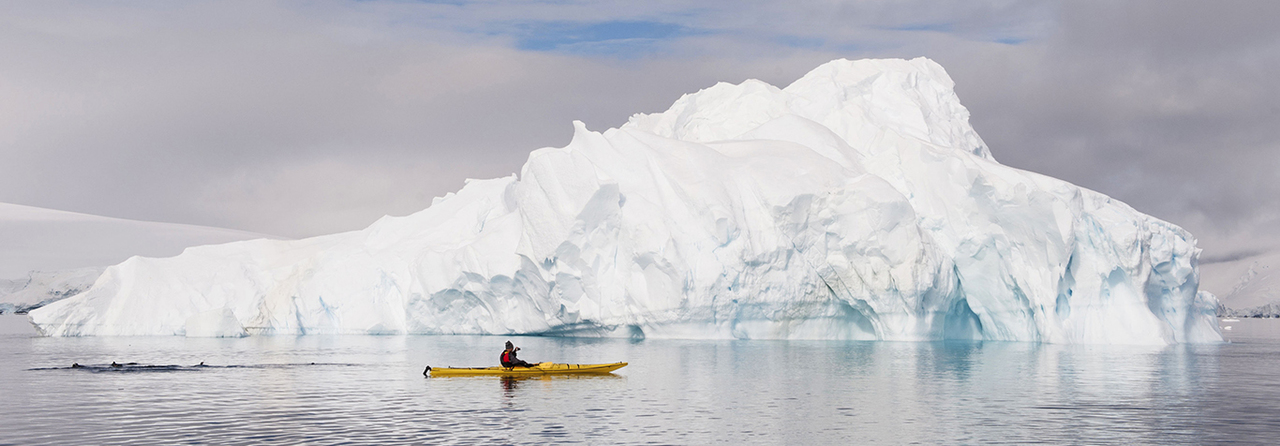
The difference in the density of ice and water makes it possible for glaciers to float.