
Wales
Language
Welsh, also known as Cymraeg, is a Celtic language spoken in Wales. Its really old language with a rich history and culture. Its one of the oldest languages in Europe! As the latest datafrom APS (Annual Population Survey) in the year ending March 31, 2025, an estimated 26.9% of Wales's population, or approximately 828,600 people aged three and over, were able to speak Welsh.
Food
Welsh food is a delightful blend of traditional recipes and fresh, local ingredients. It reflects the countrys rich history agricultural heritage, and the resourcefulness of its people
from this website, you can find loads of different Welsh foods and information about them! --------> https://www.wales.com/visit/food-and-drink/essential-welsh-eats
from this website, you can find loads of different Welsh foods and information about them! --------> https://www.wales.com/visit/food-and-drink/essential-welsh-eats
Government
Wales has it own government that makes decisions about things like schools, hospitals, and the environment. Its led by First Minister and a group of ministers. The Senedd, which is like a parliamentc, makes the laws and checks on the government. The governments job is to make life better for people in Wales and to protect the Welsh language and culture.
Economic Development: The Welsh Government aims for a strong economy by supporting businesses, attracting investment, improving infrastructure, fostering innovation, amd boosting workforce skills.
Education: The focus on raising standards through the national curriculum, funding, teacher training, literacy and numeracy programs, and promoting the Welsh language in education.
Health and Social Services: The Welsh Government is responsible for the National Health Service (NHS) in Wales and social services, with the goal of providing accessible, high-quality healthcare and social care services.
source: https://www.gov.wales/
Economic Development: The Welsh Government aims for a strong economy by supporting businesses, attracting investment, improving infrastructure, fostering innovation, amd boosting workforce skills.
Education: The focus on raising standards through the national curriculum, funding, teacher training, literacy and numeracy programs, and promoting the Welsh language in education.
Health and Social Services: The Welsh Government is responsible for the National Health Service (NHS) in Wales and social services, with the goal of providing accessible, high-quality healthcare and social care services.
source: https://www.gov.wales/
Tourism
Wales has a lot of amazing sights and famous places. This video tells several places you can visit when you are traveling to Wales.
Top 50 places tourist places:
Top 50 places tourist places:
Rugby
Wales has a strong rugby tradition. Welsh national teams competing in the Six National Championships and rugby World Cup.
History: Rugby started in Wales in the year 1850 when Reverend Rowland Williams came to St David's College and introduced the sport there. Wales became a big force in the 1900s, winning multiple Triple Crowns. The 1970s marked a "Golden Era," with legendary players and Grand Slam victories. These wins made Welsh people proud. They had famous players like Billy Meredith. After that, things got a bit tough. Wales didn't win as often like they used to, and other countries got stronger. But the love for rugby never went away. In the 1970s, they were great again. They had a new team with lots of talented players, and they won more games. The games in Cardiff, the capital city, were famous for their incredible atmosphere, with fans cheering.
National team: The Wales national rugby union team, often known as "Welsh Dragons" speaks for Wales in international rugby.
sources: https://en.wikipedia.org/wiki/Wales_national_rugby_union_team
History: Rugby started in Wales in the year 1850 when Reverend Rowland Williams came to St David's College and introduced the sport there. Wales became a big force in the 1900s, winning multiple Triple Crowns. The 1970s marked a "Golden Era," with legendary players and Grand Slam victories. These wins made Welsh people proud. They had famous players like Billy Meredith. After that, things got a bit tough. Wales didn't win as often like they used to, and other countries got stronger. But the love for rugby never went away. In the 1970s, they were great again. They had a new team with lots of talented players, and they won more games. The games in Cardiff, the capital city, were famous for their incredible atmosphere, with fans cheering.
National team: The Wales national rugby union team, often known as "Welsh Dragons" speaks for Wales in international rugby.
sources: https://en.wikipedia.org/wiki/Wales_national_rugby_union_team
Religion
Most people in wales are Christian. The Church in wales is the main church, and is part of the Angelican Church.
Also, there are lots of other Christian groups that arent part of the main church, like Methodists and Baptists. They were really important in the past and helped keep the Welsh language going. Now, most people are still Christian, but there are other religions too, and some people dont have any religion.
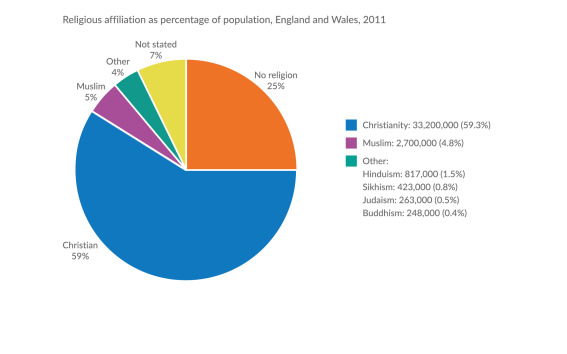 Besides Christianity, Wales has growing range of other religions. There are communities of
Also, there are lots of other Christian groups that arent part of the main church, like Methodists and Baptists. They were really important in the past and helped keep the Welsh language going. Now, most people are still Christian, but there are other religions too, and some people dont have any religion.
 Besides Christianity, Wales has growing range of other religions. There are communities of
slims, Hindus, Sikhs, and Buddhists, among others. These groups has brought cultures and traditions to Wales, improve the countrys religious landscape. The existence of these religions throws back the increasing multiculturalism in Wales.
Mu
Mu
hey have many churches and cathedrals, which are important places. There are also other churches, like Baptists and Methodists, who also have their own buildings. Catholic churches are also present. Many of these churches host events that help people meet and be together.
source: google, https://en.wikipedia.org/wiki/Christianity_in_Wales and https://en.wikipedia.org/wiki/Religion_in_Wales
source: google, https://en.wikipedia.org/wiki/Christianity_in_Wales and https://en.wikipedia.org/wiki/Religion_in_Wales
History
Wale history is a long one, starting with the Celts, who had their own culture and language. Then came Romans, who built roads and castles. After the Romans, Wales was made up of different kingdoms, and the Welsh fought to keep their freedom.
The Normans arrived and took control of areas, but the Welsh continued to resist. Eventually, Edward I of England defeat Wales, but the Welsh language and culture survived. Later the Tudors, who had Welsh roots, brought some changes. in the 20th century, there were movements for more autonomy and recognitions of Welsh culture. Today Wales is part of the UK and is proud of its heritage.
Also Wales was a big deal during the manufacturing Revolution. They mined a lot of coal and made iron, which changed everything. This brought a lot of people and changed the landscape. The country became a big producer of coal and iron. This led to the growth of town and cities, and a new working class.
source: https://en.wikipedia.org/wiki/History_of_Wales
The Normans arrived and took control of areas, but the Welsh continued to resist. Eventually, Edward I of England defeat Wales, but the Welsh language and culture survived. Later the Tudors, who had Welsh roots, brought some changes. in the 20th century, there were movements for more autonomy and recognitions of Welsh culture. Today Wales is part of the UK and is proud of its heritage.
Also Wales was a big deal during the manufacturing Revolution. They mined a lot of coal and made iron, which changed everything. This brought a lot of people and changed the landscape. The country became a big producer of coal and iron. This led to the growth of town and cities, and a new working class.
source: https://en.wikipedia.org/wiki/History_of_Wales
Culture
Wales culture is known for its distinct language, ancient culture, symbols like the dragon, love of the sports and strong community and history.
A living tradition: unlike some other languages, Welsh is a living language used daily in homes, school, businesses and public places. Its used in many cultural events and traditions. The language is a major part what makes Wales special. Music and art is important too. Wales are also known for its festivals and choirs.
St. Davids day (March 1st): A national day of celebration presents traditional clothing, music and dancing. On this day, people in Wales show their Welsh pride. They might wear daffodils or leeks, which are both symbols of Wales. Many people celebrate with parades concerts, and cultural events. Its a day to celebrate Welsh culture, language and history.
Hay festival: Hay festival is a big party in Wales where people who love books and art get together. There are talks, reading, and shows with a lot of different people. Its a fun event for everyone! The Hay Festival is a pretty big deal, drawing in around 250,000 people each year. Its held in Hay-on-Wye, a town known for its bookstores. The festival usually takes place in late May or early June and features a huge kind of event, from talks and debates to workshops and concerts.
Singing: Welsh singing traditions are really deep-seated. Choral singing is super popular, and there tons of choirs across the world. The Welsh are known for their beautiful harmonies and passionate performances. Singing is often part of everyday life and is a way to express national identity and cultural pride.
Costumes: Traditional Welsh costumes, often seen at festivals and cultural events, typically feature a tall hat, a long flannel skirt, a shawl, and a white cap. These costumes are a proud symbol of Welsh heritage.
source: google and https://www.wales.com/culture-and-sport
A living tradition: unlike some other languages, Welsh is a living language used daily in homes, school, businesses and public places. Its used in many cultural events and traditions. The language is a major part what makes Wales special. Music and art is important too. Wales are also known for its festivals and choirs.
St. Davids day (March 1st): A national day of celebration presents traditional clothing, music and dancing. On this day, people in Wales show their Welsh pride. They might wear daffodils or leeks, which are both symbols of Wales. Many people celebrate with parades concerts, and cultural events. Its a day to celebrate Welsh culture, language and history.
Hay festival: Hay festival is a big party in Wales where people who love books and art get together. There are talks, reading, and shows with a lot of different people. Its a fun event for everyone! The Hay Festival is a pretty big deal, drawing in around 250,000 people each year. Its held in Hay-on-Wye, a town known for its bookstores. The festival usually takes place in late May or early June and features a huge kind of event, from talks and debates to workshops and concerts.
Singing: Welsh singing traditions are really deep-seated. Choral singing is super popular, and there tons of choirs across the world. The Welsh are known for their beautiful harmonies and passionate performances. Singing is often part of everyday life and is a way to express national identity and cultural pride.
Costumes: Traditional Welsh costumes, often seen at festivals and cultural events, typically feature a tall hat, a long flannel skirt, a shawl, and a white cap. These costumes are a proud symbol of Welsh heritage.
source: google and https://www.wales.com/culture-and-sport
Population
Wales is a country located on the island of Grea t Britain. The population was estimated to be around 3.1 million people. An increase of 19.000 people from pervious year. while there is no specific 2025 figures available yet. Projections tells that the population of Wales will increase in the coming years, although slower rate than England.
People in Wales dont all live in the same places. Most people live in the south and northeast areas, but not as many live in the mountains in the middle of Wales.
There are more older people, and more people are moving to Wales. This makes Wales a diverse and interesting place. The population of Wales is always changing.
source: Google and https://www.gov.wales/mid-year-estimates-population-2023-html
t Britain. The population was estimated to be around 3.1 million people. An increase of 19.000 people from pervious year. while there is no specific 2025 figures available yet. Projections tells that the population of Wales will increase in the coming years, although slower rate than England. People in Wales dont all live in the same places. Most people live in the south and northeast areas, but not as many live in the mountains in the middle of Wales.
There are more older people, and more people are moving to Wales. This makes Wales a diverse and interesting place. The population of Wales is always changing.
source: Google and https://www.gov.wales/mid-year-estimates-population-2023-html