
5. Fish
Fish are aquatic animals
 Lakes are full of many different species of fish.
 Fish are animals that have adapted to life in water. They use their fins to swim in the water. They see relatively well in the dark and use their lateral line system to sense the vibration of the water around them.
Fish do not need to come up to the surface for air, because they can use their gills to filter oxygen straight from the water.
Perch

Perch is the best-known fish species of Finnish lakes. It is also the most common fish species in Finland, as well as the national fish of Finland.
During the day, perches move in schools of multiple fishes. When night falls, they go their separate ways and settle on the bottom of the lake.
The perch can be identified by its vertical stripes and its spiky top fin.
The perch is a relatively small fish. The largest perch that has ever been caught weighed only 3 kg.
The perch eats fishes that are smaller than it, as well as microscopically small zooplankton that float freely in water.
Pike

The pike is the second most common Finnish fish. It has a large head and sharp teeth. Its colouring can vary depending on its living environment.
The pike is a large fish. Most pikes weigh between one and two kilograms, but they can occasionally grow to over 20 kilograms in the right conditions.
The pike is a predator fish. It mainly hunts other fishes, but it can also eat frogs and young birds living on the water's surface.
Zander
 The zander or pikeperch is a popular, good-tasting fish. It looks like a perch with a longer body. In fact, it is closely related to the perch.
The zander is a relatively small fish, weighing between 0,4–2,5 kg. However, like pikes, zanders can sometimes grow to weigh over ten kilograms.
The zander is a predator fish. Young zanders eat invertebrate animals that they find in the water. Older and larger zanders eat other fishes.
7.5 Gallery: Fish species

Shutterstock.com

Shutterstock.com

www.shutterstock.com - kuvan käyttö sallittu vain osana e-Oppi Oy:n oppimateriaalia.

www.shutterstock.com - kuvan käyttö sallittu vain osana e-Oppi Oy:n oppimateriaalia.

www.shutterstock.com - kuvan käyttö sallittu vain osana e-Oppi Oy:n oppimateriaalia.
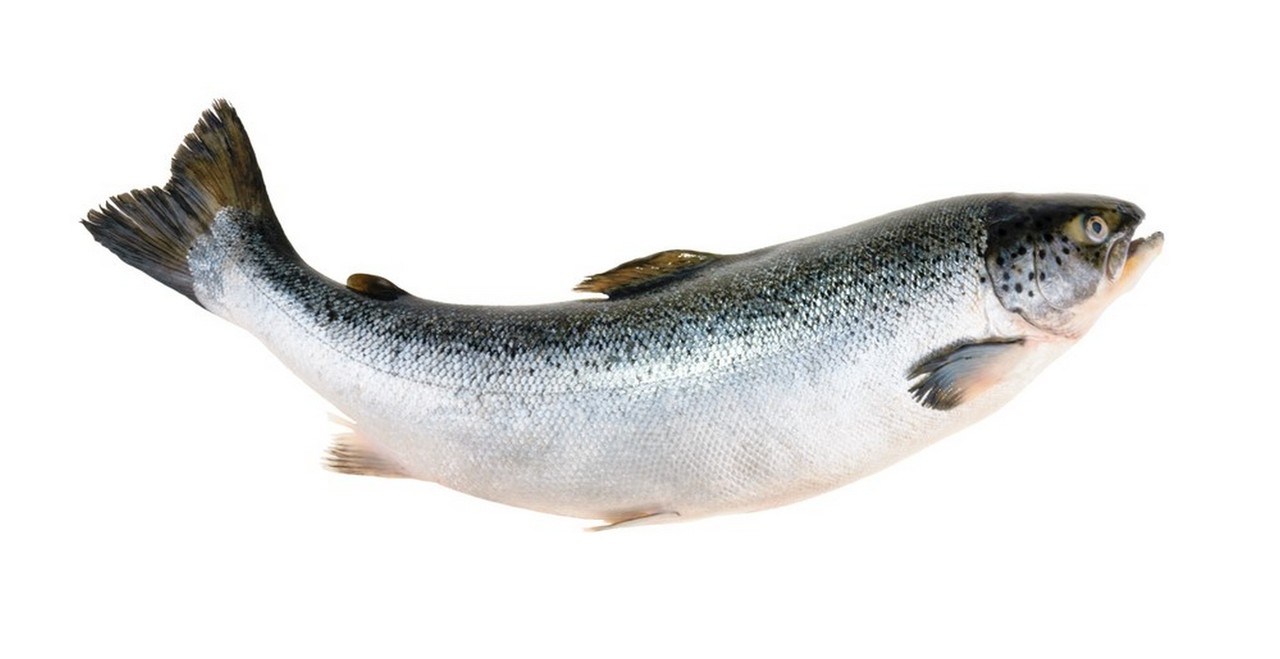
www.shutterstock.com

Shutterstock.com

www.shutterstock.com

www.shutterstock.com

Justine Wild/Shutterstock.com

Shutterstock.com

www.shutterstock.com - kuvan käyttö sallittu vain osana e-Oppi Oy:n oppimateriaalia.

www.shutterstock.com

www.shutterstock.com

www.shutterstock.com - kuvan käyttö sallittu vain osana e-Oppi Oy:n oppimateriaalia.

www.shutterstock.com
The food chain of the lake
 Lakes are home to predator fish species, such as pikes. Have you ever wondered how they get their food?
 Predator fishes eat smaller fishes. What do these small fishes eat? They eat small aquatic animals, such as water fleas. What do the water fleas eat, then? They eat algae. How do they gain their energy? They photosynthesize, which means that they produce their own energy with the help of energy from sunlight.
We can use arrows to draw the structure of this food chain from the smallest organism to the largest: alga → small aquatic invertebrate → small fish → big fish.
The food chains of a lake can also be presented in the form of a food pyramid. The largest fishes are located on the top of the pyramid. Smaller organisms are located below them. The pyramid model displays the number of organisms living in a lake quite well, because there are always fewer predators than there are smaller organisms.
Terminology
| Term | Explanation |
|---|---|
| fish |
A type of water-dwelling vertebrate. Fish have adapted to life in water with specialized structures such as fins and gills. |
| zooplankton | Microscopically small aquatic organisms, such as water fleas. Zooplankton is the primary source of food of many small fishes. |
| predator fish | A fish that eats other fish. For example, a pike. |