1 tunti (eli kurssilta yhteensä 2 poissaoloa)

1

Kirjaudu sisään lähettääksesi tämän lomakkeen
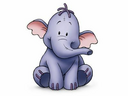
Choose the correct baby animal names from below.

antling calf cub chick foal hatchling joey kid kitten piglet puppy tadpole

ant
bear
bird
cat
chicken
dog
elephant
frog/toad
goat
horse
kangaroo
pig

Kirjaudu sisään lähettääksesi tämän lomakkeen

2

Kirjaudu sisään lähettääksesi tämän lomakkeen

Animals have different names when we're talking about food. Write the missin words.


The name of the animal - The name of the food

calf -
chicken - chicken or
cow -
deer -
pig -
sheep -

Kirjaudu sisään lähettääksesi tämän lomakkeen

Animal vs. food

Why are these animals called different names when we prepare them for a meal?
The answer is the Norman Conquest of Britain in 1066, when many French words became part of the English language When animals were on the farm, they kept their Old English names: pig, cow, sheep and calf. But when they were cooked and brought to the table, an English version of the French word was used: pork (porc), beef (beouf), mutton (mouton) and veal (veau).

3

Kirjaudu sisään lähettääksesi tämän lomakkeen

Complete the sentences with the missing words according to the clues. Choose words from below.

crispy - gamey - hearty - savoury - tender

1.The poultry dish was a feast for the senses, with its (a texture that is firm and makes a satisfying, crunchy sound when bitten into) skin, tender meat, and an enticing aroma of rosemary and thyme that filled the air.

2. The beef stew filled the kitchen with a (food that is wholesome, filling, and satisfying), comforting smell, and its thick, flavourful broth was loaded with (a texture that is soft and easy to chew) chunks of beef and soft, perfectly cooked vegetables.

3. The venison patties had a distinct, earthy aroma, and their taste was a delightful mix of sweetness and (a rich, flavourful taste that is often salty or spicy rather than sweet) notes, with a firm but tender bite.

4. The mutton steak was perfectly cooked, with a rich, (a strong, earthy taste found in wild meats such as venison and boar) flavour and a tender, juicy texture that melted in my mouth.

Kirjaudu sisään lähettääksesi tämän lomakkeen

4

Kirjaudu sisään lähettääksesi tämän lomakkeen

Find words from the text and complete the glossary on the next page. Use a dictionary if needed.


Animals are broken down into two types: vertebrates and invertebrates.

Animals without a backbone are invertebrates and they make up approximately 95% of all animals. There are different types of invertebrates, but they all share a few characteristics. They have many cells that work together. Most, but not all, have tissues, cells that work together in a more complex way and most, but not all, can move. They generally have soft bodies. There are over one million species of invertebrates in the world. Some examples are clams, earthworms, insects, leeches, snails, spiders and squids.

Animals with a backbone are vertebrates. Vertebrates are further broken down into five classes: amphibians, birds, fish, mammals, and reptiles.

Amphibians need moist environments or water to survive. They absorb water and breathe through their thin skin. Examples of amphibians are frogs, newts and toads.

Birds are also vertebrates. Not all birds can fly, but they do all have wings and beaks that help them catch and swallow food. There are more than 11,000 bird species. Five bird species common in Finland are the chaffinch, wood pigeon, blackbird, magpie and Eurasian jackdaw.

Fish also belong to vertebrates. They are ectothermic, or cold-blooded, which means they rely on their surroundings to regulate their body temperature. Fish have fins and most, but not all, have bodies covered in scales and breathe through gills.

Mammals are endothermic, or warm-blooded vertebrates. Baby mammals drink their mother's milk for food, and nearly all mammalian species give birth to live offspring. There are over 5,500 living species of mammals all over the world.
The final type of vertebrate is the reptile. Reptiles lay eggs to reproduce. They breathe through lungs and their bodies are covered in scales or scutes. Different species of reptiles can be tiny or huge. Some examples are crocodiles, geckos, lizards, turtles, snakes and tortoises.


eläin(laji) -
etana -
evä -
harakka -
iilimato -
jälkeläiset -
kastemato -
kidukset -
maakilpikonna -
kudos -
käärme -
merikilpikonna -
mustarastas -
mustekala (kalmari) -
naakka -
nisäkäs -
nokka -
peippo -
rupikonna -
sammakko -
sammakkoeläin -
selkärangaton eläin -
selkärankainen eläin -
simpukka -
sisilisko -
suomu -
sepelkyyhky -
vesilisko -

Kirjaudu sisään lähettääksesi tämän lomakkeen