
Fire Watch Services for Oil and Gas Industry
In the oil and gas industry, fire risk is not an abstract concern it is a constant operational reality. From upstream exploration sites to downstream processing facilities, environments are defined by flammable materials, high-pressure systems, and continuous industrial activity. Even routine tasks can introduce ignition sources, and the consequences of a fire can escalate rapidly due to the nature of the materials involved. Fire Watch Services Near Me are considered an essential part of any well-planned emergency preparedness strategy, especially when fire protection systems are temporarily unavailable. Fire watch services play a critical role in managing these risks, providing continuous oversight in high-risk zones where prevention must be immediate and uncompromising.
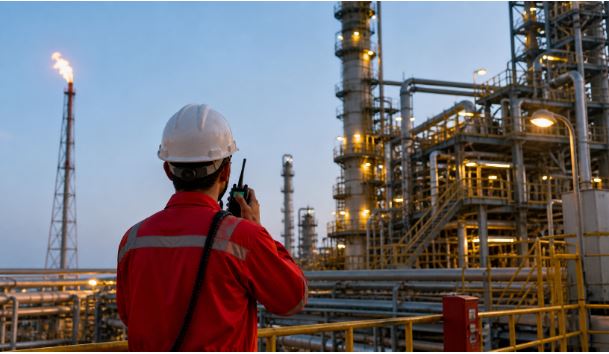
Why Fire Risk Is Elevated in Oil and Gas Operations
Oil and gas facilities operate under conditions that naturally increase the likelihood and potential severity of fire incidents. These environments combine volatile substances with complex machinery and high-energy processes.
Key risk factors include:
- Presence of flammable liquids and gases
- High-pressure systems and pipelines
- Heat-generating equipment and processes
- Electrical systems operating in hazardous zones
- Continuous operations with limited downtime
Unlike many other industries, the margin for error is extremely small. A single spark or undetected issue can lead to significant consequences.
A Real Scenario: Maintenance Work in a Refinery Unit
During scheduled maintenance in a refinery unit, a section of piping required welding repairs. The area had been cleared and safety measures were in place, but residual vapors remained a concern.
Fire watch services were deployed to monitor the work zone.
During the operation, a guard detected a slight increase in heat and a change in air conditions near a valve connection. The work was paused, and further inspection revealed a minor leak that could have ignited under continued heat exposure.
The issue was resolved before it escalated.
In high-risk zones like refineries, this level of vigilance is essential.
What Fire Watch Services Mean in High-Risk Zones
Fire watch services involve trained personnel assigned to monitor facilities for fire hazards during periods of increased risk or system impairment. In oil and gas environments, their role is intensified due to the potential severity of incidents.
Fire watch guards typically:
- Patrol designated high-risk areas continuously
- Monitor hot work activities and equipment operations
- Identify early signs of fire hazards such as heat or vapor changes
- Ensure fire suppression equipment is accessible
- Coordinate with safety teams and emergency responders
Their presence provides a critical layer of protection in environments where conditions can change rapidly.
When Fire Watch Becomes Mandatory in Oil and Gas Facilities
Fire watch requirements in the oil and gas industry are driven by both regulatory standards and operational necessity. These requirements are often enforced during specific high-risk activities.
During Hot Work Operations
Welding, cutting, and grinding introduce ignition sources into environments with flammable materials.
During System Maintenance or Shutdowns
Temporary shutdowns of detection or suppression systems increase vulnerability.
During Equipment Failures
Malfunctioning systems can create heat, sparks, or leaks that elevate fire risk.
During Construction or Expansion
New installations and modifications introduce temporary hazards.
Regulations from OSHA, NFPA, and local authorities require fire watch services in these scenarios to maintain safety compliance.
Responsibilities That Address High-Risk Conditions
Fire watch guards in oil and gas facilities carry responsibilities that go beyond standard monitoring. Their duties are designed to prevent escalation in environments where fire risk is inherently high.
Key responsibilities include:
- Monitoring both active work zones and surrounding areas
- Detecting subtle changes in temperature, smell, or conditions
- Ensuring proper handling and storage of flammable materials
- Maintaining clear access to emergency equipment and exits
- Responding immediately to any signs of fire or hazard
- Documenting all observations for compliance and review
These responsibilities require a high level of training, awareness, and attention to detail.
The Risk of Operating Without Fire Watch
In high-risk zones, the absence of fire watch services during critical periods can lead to severe consequences. Without continuous monitoring:
- Hazards may go undetected until ignition occurs
- Fires can spread rapidly due to flammable materials
- Emergency response may be delayed
- Damage to equipment and infrastructure can be extensive
The potential impact includes:
- Operational shutdowns
- Environmental damage
- Safety risks for workers
- Significant financial losses
Fire watch services mitigate these risks by ensuring constant vigilance.
Compliance: A Critical Requirement in High-Risk Industries
Fire safety compliance in the oil and gas sector is governed by strict regulations. Authorities recognize the elevated risk and require additional safeguards during high-risk activities.
Fire watch compliance typically includes:
- Continuous monitoring during system impairments or hot work
- Deployment of trained personnel in designated areas
- Maintenance of detailed logs and documentation
- Immediate response to hazards
Local fire marshals and regulatory bodies may impose additional requirements based on site conditions.
Failure to comply can result in:
- Fines and enforcement actions
- Work stoppages
- Increased liability in case of incidents
Fire watch services ensure that facilities meet these compliance standards.
Choosing a Fire Watch Provider for Oil and Gas Operations
Selecting a fire watch provider for high-risk environments requires careful evaluation. The provider must have the expertise and capability to operate in complex industrial settings.
Key factors to consider include:
- Experience in hazardous environments: Understanding oil and gas operations
- Specialized training: Knowledge of fire behavior in flammable environments
- Attention to detail: Critical for detecting early warning signs
- Reliability: Continuous monitoring is essential
- Communication skills: Coordination with safety and operations teams
A qualified provider ensures that fire watch services are effective and aligned with industry requirements.
Integrating Fire Watch Into Safety Management Systems
Fire watch services should be integrated into the broader safety management systems of oil and gas facilities. This ensures that monitoring aligns with operational and regulatory frameworks.
Integration involves:
- Including fire watch in safety protocols and procedures
- Coordinating with maintenance and operations teams
- Conducting risk assessments before high-risk activities
- Reviewing fire watch logs to identify trends and improvements
This approach strengthens overall risk management.
Beyond Immediate Protection: Supporting Operational Stability
Fire watch services not only prevent incidents but also support operational stability. By reducing the likelihood of fire-related disruptions, they help maintain continuity in high-risk environments.
Benefits include:
- Minimizing downtime caused by incidents
- Protecting critical infrastructure
- Ensuring compliance without interrupting operations
- Enhancing confidence among stakeholders
This stability is essential in an industry where interruptions can have significant consequences.
Conclusion
The oil and gas industry operates in environments where fire risk is constant and the consequences of failure are severe. Fire watch services provide the continuous monitoring and immediate response needed to manage these risks effectively, especially during high-risk activities and system impairments. By ensuring early detection, supporting compliance with safety standards, and preventing escalation, fire watch plays a vital role in protecting workers, infrastructure, and operations. In high-risk zones where safety cannot be compromised, fire watch services are not just important they are an essential component of responsible risk management.
Kommentit
Kirjaudu sisään lisätäksesi tähän kommentin