
How Fire Watch Guards Help Maintain Fire Safety During Routine and Emergency Operations
The Vital Role of Fire Watch Guards in Workplace Safety
Fire safety demands can shift quickly in both routine operations and unexpected situations. Welding, cutting, maintenance work, temporary repairs, and construction activity can all raise the level of risk on a site, especially when a fire alarm is offline or a sprinkler system is impaired. In these conditions, businesses need more than general oversight. They need trained personnel who can monitor hazard areas, document patrol activity, support hot work safety, and help maintain compliance while normal fire protection is reduced or high-risk work continues.
When a system issue or urgent repair creates that kind of gap, many businesses begin locally with searches such as Fire Watch Guards Near Me to find qualified coverage they can put in place quickly. Property managers, contractors, and facility operators are usually looking for dependable support that can provide emergency coverage, watch for changing conditions, and help keep people and property protected without interrupting essential operations. This article explains how fire watch personnel support fire safety during both day-to-day work and emergency situations.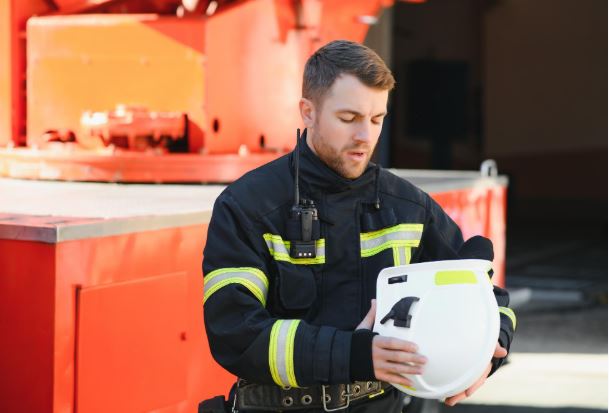
What Are Fire Watch Guards and Why Are They Necessary?
A fire watch guard is a trained professional tasked with actively monitoring and preventing fire hazards in high-risk environments. These guards are typically deployed during hot work activities like welding, grinding, or cutting, but their role also extends to managing fire risks in more routine operational settings.
Their job is twofold: first, to ensure compliance with fire safety regulations, and second, to be the first line of defense in the event of a fire. Fire watch guards aren’t just observers; they are proactive in spotting potential dangers and responding to emergencies as they arise. This makes their presence indispensable in industries where fire safety compliance is not optional but legally required.
When Are Fire Watch Guards Required?
Fire watch guards are not only important but legally required in certain situations. Several key scenarios necessitate their presence, including during hot work, when fire suppression systems are down, or in high-risk industries handling flammable materials.
Hot Work and Fire RiskHot work activities—such as welding, cutting, and grinding—are among the most common situations where fire watch guards are needed. These operations generate sparks, heat, and molten materials, all of which present an elevated risk for igniting nearby combustibles. Under OSHA regulations, fire watch guards must be assigned when these activities occur in areas where flammable materials are present.
Fire Protection System FailureFire suppression systems like sprinklers and alarms are crucial to maintaining fire safety. However, these systems may occasionally be taken offline for maintenance, repairs, or testing. During this time, fire watch guards are required to monitor the site and act swiftly in case of fire. Their presence ensures that, even without automated systems, any fire hazard is promptly managed.
High-Risk Environments and IndustriesCertain industries inherently carry higher fire risks, particularly those involved in chemical manufacturing, oil refining, and metalworking. These sectors often work with highly flammable substances or involve operations that create heat and sparks. Fire watch guards are essential in these settings, providing continuous monitoring and immediate response to any emerging fire threats.
The Role of Fire Watch Guards in Maintaining Safety
Now that we understand when fire watch guards are necessary, it’s crucial to explore their core responsibilities. Their role extends far beyond monitoring—they are actively engaged in preventing fire outbreaks and responding to emergencies.
1. Active Monitoring of Fire RisksThe main job of a fire watch guard is to continually monitor the worksite, identifying potential fire hazards before they escalate. Whether it’s checking the temperature of equipment or watching for sparks during welding, the guard’s role is to act as a vigilant set of eyes, ensuring the environment is safe for all workers.
2. Fire Safety Compliance EnforcementEnsuring that fire safety regulations are being followed is a significant part of the guard’s responsibilities. This involves checking that fire exits are clear, fire extinguishers are readily accessible, and workers are using appropriate PPE (personal protective equipment). In short, the fire watch guard acts as the safety compliance enforcer, ensuring that both workers and the environment adhere to necessary safety protocols.
3. Immediate Action in Case of FireWhile their primary job is to prevent fires, fire watch guards must also be prepared to respond quickly if one occurs. In the event of a fire, fire watch guards are trained to use fire extinguishers or other firefighting equipment to contain small fires before they spread. This quick action can often prevent a minor incident from becoming a full-blown catastrophe.
4. Documentation and ReportingFire watch guards are also responsible for documenting their observations, actions, and any incidents that occur during their shift. This log of activities is vital for ensuring compliance with fire safety regulations. It can also be used for future training or post-incident investigations, identifying trends and opportunities for improving fire safety protocols.
Real-World Scenarios: Fire Watch Guards in Action
To better understand how fire watch guards contribute to safety, let’s consider two scenarios where their presence can make a significant difference.
Scenario 1: Welding in a Manufacturing PlantIn a manufacturing plant, workers may be performing welding tasks in close proximity to stored chemicals and flammable materials. Sparks from welding can easily ignite nearby materials, causing a fire that could spread rapidly through the facility. Without fire watch guards, a small fire could become a large disaster, damaging property, halting production, and risking employee safety.
With a fire watch guard on-site, however, the risk is significantly reduced. The guard monitors the area throughout the entire hot work process, ensuring that all fire safety measures are in place. In the event of a spark igniting nearby materials, the fire watch guard is trained to immediately act, either extinguishing the fire or alerting the emergency response team before the situation escalates.
Scenario 2: Fire Suppression System OutageImagine a chemical plant where the fire suppression system is undergoing maintenance and is temporarily out of service. During this period, fire watch guards are stationed to monitor the facility, keeping an eye out for any potential fire hazards. If a spark from machinery ignites nearby flammable chemicals, the fire watch guard can respond quickly, preventing a catastrophic explosion or fire that could have damaged the plant and posed a risk to employees.
The Legal Side: Fire Watch Guards and Compliance
Fire safety is not just a best practice—it’s also a legal requirement. Different regulations mandate the presence of fire watch guards in specific situations, ensuring that businesses adhere to safety standards and protect their workers.
OSHA Guidelines for Fire Watch GuardsOSHA (Occupational Safety and Health Administration) is responsible for establishing the fire watch requirements in workplaces where hot work is conducted. These guidelines clearly state that a fire watch guard must be present when workers are engaging in welding, cutting, or grinding activities in areas with combustible materials. This is to prevent the ignition of those materials and reduce the risk of fire-related incidents.
NFPA Fire Safety StandardsThe National Fire Protection Association (NFPA) provides additional fire safety standards, including NFPA 51B, which outlines the procedures for conducting hot work safely. This standard includes specific requirements for fire watch guards, ensuring that hot work is performed in compliance with the best fire safety practices.
Local Fire Marshal RegulationsLocal fire marshal regulations may also impose additional requirements for fire watch services. These regulations ensure that businesses comply with fire safety codes specific to their region, industry, and type of work being performed. Fire marshals may enforce stricter standards for facilities handling flammable materials or where high-risk work is common.
What Happens If You Don’t Have Fire Watch Guards?
It’s not enough to simply follow regulations—having fire watch guards in place can prevent disasters that could cost you far more than just fines.
1. Increased Risk of FiresWithout fire watch guards, the risk of unnoticed fire hazards significantly increases. Sparks from hot work activities, faulty equipment, or even unattended combustible materials can easily lead to a fire. Fire watch guards actively monitor these risks and prevent small incidents from becoming dangerous.
2. Major Financial LossesFires cause significant damage to property, equipment, and inventory. The financial impact can be crippling, especially when factoring in repairs, replacement costs, and business interruption. In addition, legal fees, insurance claims, and regulatory fines can add to the cost of a fire incident.
3. Employee Injury or Loss of LifeThe most devastating consequence of a fire is the potential risk to human life. Fires can spread rapidly, and without fire watch guards on-site, workers may be unable to evacuate in time. Having trained personnel on hand to monitor fire risks and respond quickly can save lives and protect employees from harm.
4. Legal and Compliance PenaltiesFailing to comply with fire safety regulations can result in penalties and fines from regulatory bodies like OSHA or local fire authorities. Not having fire watch guards when required is a violation of these regulations and can lead to costly legal consequences.
How to Choose the Right Fire Watch Guard Provider
Selecting the right provider for fire watch services is crucial to maintaining safety and compliance at your workplace. Here are some factors to consider when making your choice:
1. Industry-Specific ExperienceEnsure that the provider has experience in your industry. For example, the fire risks in a chemical plant are different from those in construction or manufacturing. A specialized provider will understand the unique risks and safety measures required in your industry.
2. Certification and TrainingThe fire watch guards should be properly trained and certified in fire safety, emergency response, and hazard identification. Make sure the provider offers high-quality training to ensure their guards can handle any fire-related situation that arises.
3. AvailabilityFire hazards can arise at any time, so it’s important to choose a provider that offers 24/7 fire watch services. This ensures continuous monitoring and protection, regardless of your business hours or shift schedule.
4. Reputation and Track RecordChoose a provider with a solid reputation in your industry. Check for customer reviews, ask for references, and ensure that the provider has a proven history of delivering reliable and efficient fire watch services.
If you’re searching for trusted fire watch professionals, try searching for Fire Watch Guards Near Me to find qualified experts in your area.
Conclusion: Fire Watch Guards Are Essential for Fire Safety
Fire watch guards are an essential part of any high-risk operation that involves hot work or the use of flammable materials. Their proactive role in fire prevention and safety ensures that workers are protected, assets are safeguarded, and compliance with fire safety regulations is met.
By hiring qualified fire watch services, businesses can prevent fires, reduce financial losses, and maintain a safe environment for everyone involved. Whether it's monitoring welding operations, ensuring fire safety compliance, or responding to emergency situations, fire watch guards play a crucial role in keeping workplaces safe from fire risks.
Kommentit
Kirjaudu sisään lisätäksesi tähän kommentin