
Blog
eHealth Medicare Advantage Plans 2027 and How Online Comparisons Work
The process of choosing Medicare coverage has changed dramatically over the past decade. What once involved printed brochures and phone calls with insurance representatives has increasingly shifted toward digital comparison tools that allow beneficiaries to review plans online. Seniors today are often comparing premiums, provider networks, prescription drug formularies, and supplemental benefits from multiple insurers through healthcare marketplaces and Medicare comparison platforms. As a result, interest in eHealth Medicare Advantage plans 2027 and other online comparison resources continues growing among retirees seeking more convenient ways to evaluate healthcare coverage.
For many beneficiaries, online Medicare comparison tools provide a starting point for understanding how different plans operate before enrollment deadlines arrive. These tools may help simplify plan research, organize provider information, and estimate prescription costs more efficiently than reviewing insurer materials individually. However, understanding how these comparison systems work and what factors seniors should evaluate beyond simple plan rankings remains essential for making informed healthcare decisions in 2027.

Why Medicare Comparisons Have Become More Complex
Modern Medicare Advantage plans vary widely in structure and benefits.
Even plans available within the same ZIP code may differ significantly in:
- Provider networks
- Prescription coverage
- Specialist referral rules
- Hospital participation
- Out-of-pocket spending limits
- Supplemental benefits
This growing complexity is one reason many retirees now use digital comparison platforms to organize healthcare information before enrolling.
A plan that appears attractive because of low premiums may not necessarily provide the best overall value once medical care begins.
How Online Medicare Comparison Platforms Work
Online Medicare comparison tools are designed to help beneficiaries review available plans side by side.
Platforms focused on eHealth Medicare Advantage plans 2027 and similar coverage comparisons may allow users to evaluate:
|
Comparison Category |
Why It Matters |
|
Monthly premiums |
Affects recurring healthcare costs |
|
Provider networks |
Determines doctor and hospital access |
|
Prescription formularies |
Impacts medication affordability |
|
Supplemental benefits |
Adds convenience and wellness support |
|
Out-of-pocket maximums |
Limits yearly healthcare exposure |
Instead of researching each insurer separately, retirees can often review multiple plan structures within a single interface.
Why Provider Networks Deserve Early Attention
Many seniors initially focus on premiums and supplemental perks while overlooking provider access.
However, provider networks frequently determine how convenient and affordable healthcare becomes during retirement.
Before selecting a Medicare Advantage plan, beneficiaries should verify whether plans include:
- Current primary care physicians
- Specialists
- Local hospitals
- Rehabilitation facilities
- Regional medical systems
Online comparison tools may simplify this process by helping retirees review participating providers more efficiently.
This becomes especially important for individuals managing chronic conditions requiring ongoing specialist treatment.
Prescription Drug Comparisons Can Prevent Expensive Mistakes
Prescription affordability remains one of the biggest concerns among Medicare beneficiaries.
Many Medicare Advantage plans include Part D drug coverage, but formularies differ significantly between insurers.
Online Medicare comparison systems may help retirees evaluate:
Drug Tier Placement
Higher tiers generally result in larger copays.
Preferred Pharmacy Networks
Using participating pharmacies may lower prescription costs.
Prior Authorization Requirements
Some medications require insurer approval before coverage begins.
Specialty Medication Pricing
Expensive chronic-condition drugs can heavily affect yearly healthcare spending.
Even minor formulary changes may create significant financial differences for retirees managing multiple prescriptions.
HMO and PPO Comparisons Are Easier Online
One of the most useful aspects of online Medicare comparison tools is the ability to review plan structure differences quickly.
HMO Plans
Health Maintenance Organization plans generally require:
- In-network provider usage
- Specialist referrals
- Coordinated primary care systems
These plans often emphasize affordability and predictable healthcare management.
PPO Plans
Preferred Provider Organization plans typically provide:
- Broader physician access
- Out-of-network care options
- Direct specialist appointments
Retirees who travel frequently or maintain multiple residences often value PPO flexibility despite potentially higher premiums.
Comparing these structures online can help beneficiaries narrow coverage choices more efficiently.
Supplemental Benefits Continue Expanding
Many Medicare Advantage plans increasingly compete through additional services beyond Original Medicare.
Some plans now include:
- Dental coverage
- Vision benefits
- Hearing aid support
- Telehealth access
- Fitness memberships
- Transportation assistance
Online comparison platforms often help retirees evaluate how these supplemental benefits differ between plans.
However, beneficiaries should still review detailed benefit summaries carefully.
For example:
- One dental benefit may cover only preventive cleanings.
- Another may contribute toward crowns or dentures.
- Some telehealth programs may offer more integrated virtual care support.
Benefit depth matters more than advertising headlines alone.
Why Online Plan Rankings Should Not Be the Only Factor
Although digital Medicare marketplaces often display plan ratings or recommendations, retirees should avoid selecting coverage based solely on rankings.
The “best” plan depends heavily on individual circumstances such as:
- Prescription usage
- Preferred physicians
- Hospital access
- Travel habits
- Chronic health conditions
A highly rated plan may still perform poorly for a retiree whose specialists are excluded from the network.
Personal healthcare priorities should guide plan selection more than generalized popularity rankings.
Annual Medicare Reviews Are Becoming More Important
Medicare Advantage plans change regularly.
Insurers may modify:
- Provider networks
- Prescription formularies
- Premiums
- Copays
- Supplemental benefits
Because of these annual adjustments, retirees increasingly use online comparison platforms each enrollment season to reevaluate healthcare coverage.
A plan that worked well previously may become less competitive if:
- Prescription pricing increases
- Doctors leave the network
- Hospital copays rise
Annual reviews help beneficiaries identify stronger alternatives before new coverage begins.
Out-of-Pocket Limits Affect Long-Term Financial Stability
One of the major advantages of Medicare Advantage plans involves annual out-of-pocket spending caps.
Unlike Original Medicare, Medicare Advantage plans establish yearly limits on healthcare expenses.
Beneficiaries comparing eHealth Medicare Advantage plans 2027 should evaluate:
- In-network spending caps
- Combined network maximums
- Hospitalization structures
- Specialist visit frequency costs
A plan with slightly higher premiums may still provide stronger financial protection if out-of-pocket exposure is significantly lower during serious illness.
Why Digital Medicare Research Continues Growing
Today’s retirees are far more comfortable researching healthcare online than previous generations.
Many beneficiaries now use online platforms to:
- Compare local plans
- Review prescription costs
- Search provider networks
- Analyze supplemental benefits
- Understand enrollment periods
These tools can simplify complicated healthcare information and make side-by-side comparisons easier to understand.
Digital resources also allow retirees to revisit and reevaluate coverage options throughout enrollment season instead of relying solely on sales presentations.
Medicare Supplement Plans Still Remain Part of Online Comparisons
Although Medicare Advantage enrollment continues increasing, many online comparison systems also allow retirees to review Medicare Supplement insurance options.
Plans such as Medicare Plan G and Medicare Plan N may appeal to beneficiaries seeking:
- Nationwide provider access
- Fewer network restrictions
- Predictable supplemental coverage
However, supplemental plans generally involve:
- Higher monthly premiums
- Separate prescription drug plans
- Fewer bundled wellness benefits
Comparing both Medicare Advantage and Medicare Supplement structures online can help retirees understand broader healthcare tradeoffs.
Questions Beneficiaries Should Ask While Comparing Plans Online
Online comparisons become more useful when retirees focus on practical healthcare questions rather than marketing language alone.
Helpful questions include:
- Are my doctors included?
- Which hospitals participate locally?
- How expensive are specialist visits?
- Are my prescriptions covered affordably?
- Does the plan require referrals?
- What is the annual out-of-pocket maximum?
- How does emergency care work while traveling?
These questions often reveal more about long-term healthcare usability than general rankings or promotional highlights.
Why Human Review Still Matters Alongside Digital Tools
Although online comparison platforms can simplify research, healthcare decisions remain highly personal.
Beneficiaries should still:
- Review official plan documents
- Confirm provider participation directly
- Double-check prescription coverage
- Evaluate long-term healthcare needs
Digital tools work best when combined with careful personal review rather than treated as automatic decision-making systems.
Final Thoughts on eHealth Medicare Advantage Plans 2027
As Medicare coverage options continue expanding, online comparison resources are becoming increasingly important for retirees seeking organized and efficient ways to evaluate healthcare plans. Tools focused on eHealth Medicare Advantage plans 2027 and similar digital comparison systems may help beneficiaries review provider networks, prescription formularies, supplemental benefits, and healthcare costs side by side before enrollment deadlines arrive.
However, the best Medicare plan is rarely determined by rankings or premiums alone. Long-term healthcare satisfaction often depends on maintaining provider access, controlling prescription costs, and securing meaningful financial protection during serious illness or ongoing treatment. Seniors who use online comparison tools thoughtfully and evaluate plans based on personal healthcare priorities are often better positioned to make confident Medicare decisions for 2027 and beyond.
Humana Medicare Plan G Comparison for Premium Stability and Healthcare Flexibility
Many retirees entering Medicare discover that healthcare planning becomes more complicated after age 65 than they originally expected. What begins as a search for affordable coverage often evolves into a deeper evaluation of provider access, long-term medical costs, prescription expenses, and financial predictability. While Medicare Advantage plans 2027 continue growing in popularity because of low premiums and bundled extras, many seniors are increasingly comparing Medicare Supplement insurance 2027 options for greater stability. Among those options, Humana Medicare Plan G frequently enters the discussion for beneficiaries seeking broader healthcare flexibility and fewer unexpected medical bills. For retirees concerned about hospital copays, specialist access, and changing provider networks, Medicare Plan G often represents a different approach to retirement healthcare planning than traditional Medicare Part C plans.

The Retirement Healthcare Shift Many Seniors Experience
A newly retired beneficiary often starts Medicare planning with one primary goal: keeping monthly premiums low.
At first glance, many Medicare Advantage plans appear attractive because they may include:
- $0 monthly premiums
- Prescription drug coverage
- Dental and vision benefits
- Hearing support
- Gym memberships
For relatively healthy retirees, these bundled benefits can make Medicare Advantage coverage comparison tools seem straightforward.
However, healthcare needs rarely stay static throughout retirement.
Over time, beneficiaries may require:
- Multiple specialist visits
- Long-term prescriptions
- Diagnostic imaging
- Outpatient surgeries
- Frequent hospital care
As medical usage increases, some retirees begin prioritizing predictable costs and unrestricted provider access over wellness extras.
This is one reason Humana Medicare Plan G continues attracting attention among beneficiaries researching long-term healthcare stability.
How Plan G Approaches Coverage Differently
Unlike Medicare Advantage plans, Medicare Supplement insurance works alongside Original Medicare rather than replacing it.
Humana Medicare Plan G helps cover many of the expenses Medicare Parts A and B leave behind, including:
- Hospital coinsurance
- Skilled nursing facility coinsurance
- Part B excess charges
- Hospice cost-sharing
- Certain emergency foreign travel expenses
Beneficiaries remain responsible for the annual Medicare Part B deductible, but after meeting that amount, many approved healthcare expenses become far more predictable.
This structure often appeals to retirees seeking consistency instead of variable copays tied to network-based healthcare systems.
Why Provider Flexibility Becomes More Valuable With Age
One of the biggest differences between Medicare Supplement insurance and Medicare Advantage plans involves healthcare access.
Many Medicare Advantage PPO plans and HMOs rely on:
- Regional provider networks
- Referral systems
- Prior authorization rules
- Managed-care restrictions
While PPO structures generally offer more flexibility than HMOs, network limitations can still affect long-term care options.
Humana Medicare Plan G, like other standardized Supplement plans, generally allows beneficiaries to visit any provider nationwide that accepts Medicare.
This flexibility becomes especially important for retirees who:
- Travel frequently
- Spend winters in another state
- Seek treatment at specialty hospitals
- Want broader physician choice
As healthcare needs become more specialized later in retirement, unrestricted access can significantly influence satisfaction with coverage.
Looking at Healthcare Costs Beyond Monthly Premiums
Many retirees initially compare plans based only on monthly premium amounts. However, annual healthcare exposure often tells a very different story.
Medicare Advantage PPO Example
|
Healthcare Expense |
Estimated Annual Cost |
|
Monthly Premiums |
$1,020 |
|
Specialist Copays |
$1,450 |
|
Hospital Copays |
$2,700 |
|
Imaging & Testing |
$850 |
|
Prescription Costs |
$1,600 |
|
Total Estimated Exposure |
$7,620 |
Humana Medicare Plan G Example
|
Healthcare Expense |
Estimated Annual Cost |
|
Monthly Premiums |
$2,300–$3,100 |
|
Part B Deductible |
Standard annual deductible |
|
Additional Approved Medical Costs |
Significantly reduced |
|
Prescription Drug Coverage |
Separate Part D plan required |
|
Financial Predictability |
Higher |
Although Plan G usually carries higher premiums, some retirees value the stability of knowing major healthcare events are less likely to create large unexpected bills.
Why Medicare Plan N Still Competes Closely With Plan G
Beneficiaries evaluating Medicare Supplement insurance 2027 plans often compare Medicare Plan G with Medicare Plan N.
Medicare Plan G Frequently Appeals To:
- Retirees managing chronic conditions
- Seniors wanting reduced cost-sharing
- Beneficiaries expecting specialist care
- Individuals prioritizing predictable expenses
Medicare Plan N Often Appeals To:
- Healthier retirees
- Budget-conscious beneficiaries
- Individuals comfortable with moderate copays
Plan N may still involve:
- Office visit copays
- Emergency room copays
- Potential excess charges
For some retirees, those tradeoffs are manageable in exchange for lower premiums. Others prefer the broader cost protection associated with Plan G.
The Growing Importance of Prescription Planning
Prescription costs remain one of the largest variables affecting retirement healthcare budgets.
Unlike many Medicare Advantage plans, Humana Medicare Plan G does not bundle prescription drug coverage automatically.
Beneficiaries generally need separate Medicare Part D plans.
This means retirees should carefully evaluate:
- Formulary structures
- Preferred pharmacies
- Generic versus brand pricing
- Specialty medication coverage
Prescription planning has become increasingly important as drug pricing continues fluctuating across insurers and geographic regions.
Why Medicare Advantage Still Appeals to Many Beneficiaries
Despite growing interest in Supplement coverage, Medicare Advantage plans 2027 continue attracting millions of retirees.
Many beneficiaries appreciate:
- Lower premiums
- Consolidated plan structures
- Wellness programs
- Preventive dental benefits
- Fitness memberships
Modern Medicare Advantage dental and vision coverage can include:
- Routine cleanings
- Dentures
- Eye exams
- Eyeglass allowances
- Hearing support
However, these supplemental benefits vary substantially by county, provider, and network design.
One plan may offer robust dental coverage, while another provides only preventive-level support.
This is why retirees increasingly compare Medicare Advantage plans side by side 2027 before finalizing enrollment decisions.
How Humana Compares With Other Major Medicare Providers
Retirees researching Medicare Supplement insurance often compare multiple insurers before selecting coverage.
Humana
Frequently associated with:
- Strong Medicare Advantage market presence
- Wellness-focused healthcare programs
- Broad supplemental benefit integration
Aetna
Commonly recognized for:
- Competitive Supplement pricing
- Broad Medicare offerings
- PPO-focused flexibility
UnitedHealthcare (UHC)
Known for:
- Large national provider relationships
- Extensive Medicare Part C plans
- Broad geographic reach
Blue Cross Blue Shield (BCBS)
Often valued for:
- Regional healthcare familiarity
- State-based provider networks
- Strong rural healthcare access
Cigna
Frequently noted for:
- Coordinated healthcare management
- Flexible Medicare structures
- Competitive prescription support
Actual value often depends more on local healthcare access and pricing than brand reputation alone.
Enrollment Timing Can Affect Future Coverage Options
Medicare enrollment deadlines remain one of the most misunderstood aspects of retirement healthcare planning.
Initial Enrollment Period
Begins three months before turning 65 and lasts seven months total.
During this time, beneficiaries often receive guaranteed access to Medicare Supplement insurance without medical underwriting.
Annual Enrollment Period
Runs from October 15 through December 7 annually.
This period primarily affects:
- Medicare Advantage changes
- Prescription drug plan adjustments
Why Delaying Supplement Enrollment Can Be Risky
Outside guaranteed enrollment periods, retirees may face:
- Medical underwriting
- Higher premiums
- Coverage restrictions
- Potential denial in some states
For this reason, many healthcare advisors encourage beneficiaries to evaluate Supplement options early in retirement.
Common Mistakes Retirees Make During Medicare Enrollment
Healthcare counselors continue seeing similar issues during enrollment season.
Choosing Plans Based Only on Advertised Premiums
Low premiums do not always equal lower annual healthcare spending.
Ignoring Future Healthcare Needs
Healthcare usage often increases gradually during retirement.
Overlooking Network Restrictions
Travel and specialist access can become more important later.
Assuming Wellness Benefits Offset Medical Risk
Dental and vision benefits rarely compensate for major hospitalization expenses.
Failing To Review Plans Annually
Coverage structures, provider participation, and prescription formularies change frequently.
Beneficiaries who compare plans carefully usually make more stable long-term healthcare decisions.
Geographic Differences Continue Affecting Coverage Availability
Medicare plan availability varies substantially depending on location.
Factors influencing coverage include:
- State regulations
- County-level competition
- Provider participation
- Local healthcare systems
For example:
- Florida markets often include broader Medicare Advantage PPO competition
- Rural regions may rely more heavily on HMO structures
- Urban areas typically offer larger specialist networks
As a result, Humana Medicare Plan G pricing and availability can differ significantly across states and ZIP codes.
Final Thoughts on Humana Medicare Plan G and Long-Term Healthcare Planning
As retirees evaluate healthcare coverage for 2027 and beyond, many are shifting their focus away from short-term premium savings toward long-term stability, provider flexibility, and predictable medical expenses. While Medicare Advantage plans continue offering bundled wellness benefits and lower upfront costs, some beneficiaries increasingly prefer the nationwide acceptance and reduced cost-sharing associated with Medicare Supplement insurance. Humana Medicare Plan G represents one of the options frequently considered by retirees seeking stable healthcare budgeting, broader physician access, and fewer unexpected medical bills throughout retirement. For beneficiaries comparing Medicare Plan G, Medicare Plan N, Medicare Advantage PPO plans, and other Medicare Part C plans, the strongest decision often depends on healthcare usage patterns, travel habits, prescription needs, and comfort with long-term financial uncertainty rather than premiums alone.
Fire Watch Services for Oil and Gas Industry
In the oil and gas industry, fire risk is not an abstract concern it is a constant operational reality. From upstream exploration sites to downstream processing facilities, environments are defined by flammable materials, high-pressure systems, and continuous industrial activity. Even routine tasks can introduce ignition sources, and the consequences of a fire can escalate rapidly due to the nature of the materials involved. Fire Watch Services Near Me are considered an essential part of any well-planned emergency preparedness strategy, especially when fire protection systems are temporarily unavailable. Fire watch services play a critical role in managing these risks, providing continuous oversight in high-risk zones where prevention must be immediate and uncompromising.

Why Fire Risk Is Elevated in Oil and Gas Operations
Oil and gas facilities operate under conditions that naturally increase the likelihood and potential severity of fire incidents. These environments combine volatile substances with complex machinery and high-energy processes.
Key risk factors include:
- Presence of flammable liquids and gases
- High-pressure systems and pipelines
- Heat-generating equipment and processes
- Electrical systems operating in hazardous zones
- Continuous operations with limited downtime
Unlike many other industries, the margin for error is extremely small. A single spark or undetected issue can lead to significant consequences.
A Real Scenario: Maintenance Work in a Refinery Unit
During scheduled maintenance in a refinery unit, a section of piping required welding repairs. The area had been cleared and safety measures were in place, but residual vapors remained a concern.
Fire watch services were deployed to monitor the work zone.
During the operation, a guard detected a slight increase in heat and a change in air conditions near a valve connection. The work was paused, and further inspection revealed a minor leak that could have ignited under continued heat exposure.
The issue was resolved before it escalated.
In high-risk zones like refineries, this level of vigilance is essential.
What Fire Watch Services Mean in High-Risk Zones
Fire watch services involve trained personnel assigned to monitor facilities for fire hazards during periods of increased risk or system impairment. In oil and gas environments, their role is intensified due to the potential severity of incidents.
Fire watch guards typically:
- Patrol designated high-risk areas continuously
- Monitor hot work activities and equipment operations
- Identify early signs of fire hazards such as heat or vapor changes
- Ensure fire suppression equipment is accessible
- Coordinate with safety teams and emergency responders
Their presence provides a critical layer of protection in environments where conditions can change rapidly.
When Fire Watch Becomes Mandatory in Oil and Gas Facilities
Fire watch requirements in the oil and gas industry are driven by both regulatory standards and operational necessity. These requirements are often enforced during specific high-risk activities.
During Hot Work Operations
Welding, cutting, and grinding introduce ignition sources into environments with flammable materials.
During System Maintenance or Shutdowns
Temporary shutdowns of detection or suppression systems increase vulnerability.
During Equipment Failures
Malfunctioning systems can create heat, sparks, or leaks that elevate fire risk.
During Construction or Expansion
New installations and modifications introduce temporary hazards.
Regulations from OSHA, NFPA, and local authorities require fire watch services in these scenarios to maintain safety compliance.
Responsibilities That Address High-Risk Conditions
Fire watch guards in oil and gas facilities carry responsibilities that go beyond standard monitoring. Their duties are designed to prevent escalation in environments where fire risk is inherently high.
Key responsibilities include:
- Monitoring both active work zones and surrounding areas
- Detecting subtle changes in temperature, smell, or conditions
- Ensuring proper handling and storage of flammable materials
- Maintaining clear access to emergency equipment and exits
- Responding immediately to any signs of fire or hazard
- Documenting all observations for compliance and review
These responsibilities require a high level of training, awareness, and attention to detail.
The Risk of Operating Without Fire Watch
In high-risk zones, the absence of fire watch services during critical periods can lead to severe consequences. Without continuous monitoring:
- Hazards may go undetected until ignition occurs
- Fires can spread rapidly due to flammable materials
- Emergency response may be delayed
- Damage to equipment and infrastructure can be extensive
The potential impact includes:
- Operational shutdowns
- Environmental damage
- Safety risks for workers
- Significant financial losses
Fire watch services mitigate these risks by ensuring constant vigilance.
Compliance: A Critical Requirement in High-Risk Industries
Fire safety compliance in the oil and gas sector is governed by strict regulations. Authorities recognize the elevated risk and require additional safeguards during high-risk activities.
Fire watch compliance typically includes:
- Continuous monitoring during system impairments or hot work
- Deployment of trained personnel in designated areas
- Maintenance of detailed logs and documentation
- Immediate response to hazards
Local fire marshals and regulatory bodies may impose additional requirements based on site conditions.
Failure to comply can result in:
- Fines and enforcement actions
- Work stoppages
- Increased liability in case of incidents
Fire watch services ensure that facilities meet these compliance standards.
Choosing a Fire Watch Provider for Oil and Gas Operations
Selecting a fire watch provider for high-risk environments requires careful evaluation. The provider must have the expertise and capability to operate in complex industrial settings.
Key factors to consider include:
- Experience in hazardous environments: Understanding oil and gas operations
- Specialized training: Knowledge of fire behavior in flammable environments
- Attention to detail: Critical for detecting early warning signs
- Reliability: Continuous monitoring is essential
- Communication skills: Coordination with safety and operations teams
A qualified provider ensures that fire watch services are effective and aligned with industry requirements.
Integrating Fire Watch Into Safety Management Systems
Fire watch services should be integrated into the broader safety management systems of oil and gas facilities. This ensures that monitoring aligns with operational and regulatory frameworks.
Integration involves:
- Including fire watch in safety protocols and procedures
- Coordinating with maintenance and operations teams
- Conducting risk assessments before high-risk activities
- Reviewing fire watch logs to identify trends and improvements
This approach strengthens overall risk management.
Beyond Immediate Protection: Supporting Operational Stability
Fire watch services not only prevent incidents but also support operational stability. By reducing the likelihood of fire-related disruptions, they help maintain continuity in high-risk environments.
Benefits include:
- Minimizing downtime caused by incidents
- Protecting critical infrastructure
- Ensuring compliance without interrupting operations
- Enhancing confidence among stakeholders
This stability is essential in an industry where interruptions can have significant consequences.
Conclusion
The oil and gas industry operates in environments where fire risk is constant and the consequences of failure are severe. Fire watch services provide the continuous monitoring and immediate response needed to manage these risks effectively, especially during high-risk activities and system impairments. By ensuring early detection, supporting compliance with safety standards, and preventing escalation, fire watch plays a vital role in protecting workers, infrastructure, and operations. In high-risk zones where safety cannot be compromised, fire watch services are not just important they are an essential component of responsible risk management.
Top Fire Watch Companies with Verified Licenses and Certifications
When a fire marshal walks into a property during a system impairment, the question is not whether fire watch is present it’s whether it is legitimate. Licenses, certifications, training records, and operational behavior all come under scrutiny within minutes. Manufacturing plants hire Fire Watch Companies Near Me to prevent accidents during critical machinery maintenance work, where proper credentials and expertise are essential for both safety and compliance.
In these situations, the difference between a compliant fire watch company and an unqualified provider becomes immediately visible. Businesses often assume that hiring any fire watch service satisfies requirements, but from a regulatory standpoint, only properly licensed and certified providers meet the standard. Understanding how top fire watch companies demonstrate verified credentials is essential for maintaining fire safety compliance and avoiding costly violations.
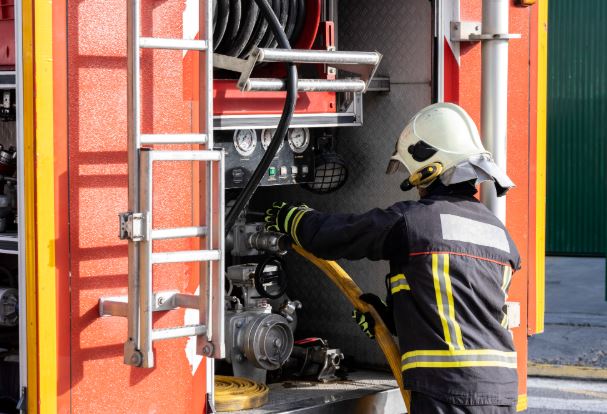
What an Inspector Checks First (And Why It Matters)
Before observing patrols or reviewing logs, inspectors typically start with documentation.
They look for proof that the fire watch company and its personnel are legally and professionally qualified to operate. This includes licenses, certifications, and evidence of training.
But this isn’t just a paperwork exercise.
Licensing and certification confirm that a provider understands fire watch requirements, regulatory expectations, and the responsibilities associated with monitoring high-risk environments.
Without this foundation, everything else becomes questionable.
The Misconception About “Certified” Fire Watch
Many providers claim to be certified, but certification is often misunderstood.
Some companies rely on internal training programs without formal recognition. Others operate under general security licenses without specific fire watch qualifications.
Top fire watch companies go further.
They ensure that their personnel are trained according to recognized standards and that their operations align with established safety frameworks.
This distinction is critical, especially during inspections where compliance must be clearly demonstrated.
How Fire Watch Is Defined in Compliance Terms
Fire watch is not just a service it is a regulatory requirement under specific conditions.
It is defined as assigning trained personnel to monitor a property for fire hazards when fire detection or suppression systems are impaired or when operations increase fire risk.
From an inspector’s perspective, this definition carries specific expectations:
- monitoring must be continuous
- personnel must be trained and qualified
- documentation must reflect actual activity
Anything less is considered non-compliant, regardless of intent.
Where Licensing Becomes Non-Negotiable
There are certain situations where verified licensing and certifications are especially critical.
When a fire alarm or sprinkler system is offline, when construction activities introduce new hazards, or when hot work is performed, the level of risk increases significantly.
Regulatory bodies such as the OSHA and the NFPA establish these conditions, and local fire marshals enforce them.
In these scenarios, using an unlicensed provider does not just create risk it can result in immediate compliance failure.
A Real Inspection Scenario That Changes Everything
A commercial property undergoing renovation schedules fire watch during a partial system outage.
On paper, everything appears in order. Guards are present, patrols are being conducted, and logs are maintained.
During inspection, the fire marshal requests documentation.
The provider cannot produce verified certifications for its personnel. Training records are incomplete. Licensing does not clearly cover fire watch operations.
Despite active monitoring, the property is flagged for non-compliance.
This scenario illustrates a key point:
presence alone does not satisfy requirements verification does.
Responsibilities That Must Align with Certification
Fire watch guards are expected to perform specific duties, and certifications ensure they are capable of doing so.
These responsibilities include monitoring for hazards, maintaining access to fire safety equipment, and documenting observations accurately.
However, certified personnel go beyond basic tasks.
They understand how fire risk develops, how to interpret early warning signs, and how to respond appropriately under different conditions.
This level of understanding is what certifications are designed to validate.
Fire Risk Monitoring Through a Compliance Lens
From an operational standpoint, fire risk monitoring is about identifying hazards.
From a compliance standpoint, it’s about demonstrating that those hazards are being managed correctly.
This means:
- monitoring must reflect real-time conditions
- patrols must be consistent and purposeful
- reports must provide accurate, detailed information
Certified fire watch companies ensure that these standards are met, reducing the risk of violations during inspections.
How to Verify a Fire Watch Company Properly
For property managers, verifying credentials is one of the most important steps in selecting a provider.
This process should go beyond surface-level claims.
A practical verification approach:
- request proof of licensing specific to fire watch or related services
- review certifications and training records for assigned personnel
- confirm that documentation practices meet compliance standards
These steps help ensure that the provider can meet both operational and regulatory expectations.
Emergency Fire Watch: Where Credentials Are Tested
Emergency fire watch situations often reveal whether a company’s credentials are meaningful or superficial.
When a system fails unexpectedly, there is no time for additional verification. The provider must already meet all requirements.
Certified companies are prepared for this.
They deploy quickly while maintaining compliance, ensuring that monitoring begins immediately and meets regulatory standards from the start.
Unverified providers, on the other hand, may struggle to demonstrate compliance under pressure.
The Risk of Choosing Based on Availability Alone
In urgent situations, it is tempting to select the first available provider.
However, availability does not guarantee qualification.
An unlicensed or improperly certified company may provide coverage, but that coverage may not meet compliance requirements.
This creates a false sense of security one that can lead to violations, penalties, or increased liability.
Why Top Companies Treat Certification as a System, Not a Requirement
Leading fire watch companies do not treat licensing and certification as a one-time requirement.
They integrate it into their operations.
Training is updated regularly, documentation is maintained consistently, and personnel are evaluated to ensure ongoing compliance.
This approach ensures that standards are not only met, but sustained over time.
Final Thought
Verified licenses and certifications are more than formalities they are the foundation of reliable fire watch services. In environments where fire protection systems are impaired and risks are elevated, the ability to demonstrate compliance is just as important as the ability to monitor hazards. Top fire watch companies understand this balance, combining trained personnel, structured processes, and verified credentials to ensure that both safety and regulatory requirements are met. When inspections occur and conditions are evaluated under pressure, it is this level of preparation that ultimately determines whether a property remains compliant and protected.
How Fire Watch Guards Help Maintain Fire Safety During Routine and Emergency Operations
The Vital Role of Fire Watch Guards in Workplace Safety
Fire safety demands can shift quickly in both routine operations and unexpected situations. Welding, cutting, maintenance work, temporary repairs, and construction activity can all raise the level of risk on a site, especially when a fire alarm is offline or a sprinkler system is impaired. In these conditions, businesses need more than general oversight. They need trained personnel who can monitor hazard areas, document patrol activity, support hot work safety, and help maintain compliance while normal fire protection is reduced or high-risk work continues.
When a system issue or urgent repair creates that kind of gap, many businesses begin locally with searches such as Fire Watch Guards Near Me to find qualified coverage they can put in place quickly. Property managers, contractors, and facility operators are usually looking for dependable support that can provide emergency coverage, watch for changing conditions, and help keep people and property protected without interrupting essential operations. This article explains how fire watch personnel support fire safety during both day-to-day work and emergency situations.
What Are Fire Watch Guards and Why Are They Necessary?
A fire watch guard is a trained professional tasked with actively monitoring and preventing fire hazards in high-risk environments. These guards are typically deployed during hot work activities like welding, grinding, or cutting, but their role also extends to managing fire risks in more routine operational settings.
Their job is twofold: first, to ensure compliance with fire safety regulations, and second, to be the first line of defense in the event of a fire. Fire watch guards aren’t just observers; they are proactive in spotting potential dangers and responding to emergencies as they arise. This makes their presence indispensable in industries where fire safety compliance is not optional but legally required.
When Are Fire Watch Guards Required?
Fire watch guards are not only important but legally required in certain situations. Several key scenarios necessitate their presence, including during hot work, when fire suppression systems are down, or in high-risk industries handling flammable materials.
Hot Work and Fire RiskHot work activities—such as welding, cutting, and grinding—are among the most common situations where fire watch guards are needed. These operations generate sparks, heat, and molten materials, all of which present an elevated risk for igniting nearby combustibles. Under OSHA regulations, fire watch guards must be assigned when these activities occur in areas where flammable materials are present.
Fire Protection System FailureFire suppression systems like sprinklers and alarms are crucial to maintaining fire safety. However, these systems may occasionally be taken offline for maintenance, repairs, or testing. During this time, fire watch guards are required to monitor the site and act swiftly in case of fire. Their presence ensures that, even without automated systems, any fire hazard is promptly managed.
High-Risk Environments and IndustriesCertain industries inherently carry higher fire risks, particularly those involved in chemical manufacturing, oil refining, and metalworking. These sectors often work with highly flammable substances or involve operations that create heat and sparks. Fire watch guards are essential in these settings, providing continuous monitoring and immediate response to any emerging fire threats.
The Role of Fire Watch Guards in Maintaining Safety
Now that we understand when fire watch guards are necessary, it’s crucial to explore their core responsibilities. Their role extends far beyond monitoring—they are actively engaged in preventing fire outbreaks and responding to emergencies.
1. Active Monitoring of Fire RisksThe main job of a fire watch guard is to continually monitor the worksite, identifying potential fire hazards before they escalate. Whether it’s checking the temperature of equipment or watching for sparks during welding, the guard’s role is to act as a vigilant set of eyes, ensuring the environment is safe for all workers.
2. Fire Safety Compliance EnforcementEnsuring that fire safety regulations are being followed is a significant part of the guard’s responsibilities. This involves checking that fire exits are clear, fire extinguishers are readily accessible, and workers are using appropriate PPE (personal protective equipment). In short, the fire watch guard acts as the safety compliance enforcer, ensuring that both workers and the environment adhere to necessary safety protocols.
3. Immediate Action in Case of FireWhile their primary job is to prevent fires, fire watch guards must also be prepared to respond quickly if one occurs. In the event of a fire, fire watch guards are trained to use fire extinguishers or other firefighting equipment to contain small fires before they spread. This quick action can often prevent a minor incident from becoming a full-blown catastrophe.
4. Documentation and ReportingFire watch guards are also responsible for documenting their observations, actions, and any incidents that occur during their shift. This log of activities is vital for ensuring compliance with fire safety regulations. It can also be used for future training or post-incident investigations, identifying trends and opportunities for improving fire safety protocols.
Real-World Scenarios: Fire Watch Guards in Action
To better understand how fire watch guards contribute to safety, let’s consider two scenarios where their presence can make a significant difference.
Scenario 1: Welding in a Manufacturing PlantIn a manufacturing plant, workers may be performing welding tasks in close proximity to stored chemicals and flammable materials. Sparks from welding can easily ignite nearby materials, causing a fire that could spread rapidly through the facility. Without fire watch guards, a small fire could become a large disaster, damaging property, halting production, and risking employee safety.
With a fire watch guard on-site, however, the risk is significantly reduced. The guard monitors the area throughout the entire hot work process, ensuring that all fire safety measures are in place. In the event of a spark igniting nearby materials, the fire watch guard is trained to immediately act, either extinguishing the fire or alerting the emergency response team before the situation escalates.
Scenario 2: Fire Suppression System OutageImagine a chemical plant where the fire suppression system is undergoing maintenance and is temporarily out of service. During this period, fire watch guards are stationed to monitor the facility, keeping an eye out for any potential fire hazards. If a spark from machinery ignites nearby flammable chemicals, the fire watch guard can respond quickly, preventing a catastrophic explosion or fire that could have damaged the plant and posed a risk to employees.
The Legal Side: Fire Watch Guards and Compliance
Fire safety is not just a best practice—it’s also a legal requirement. Different regulations mandate the presence of fire watch guards in specific situations, ensuring that businesses adhere to safety standards and protect their workers.
OSHA Guidelines for Fire Watch GuardsOSHA (Occupational Safety and Health Administration) is responsible for establishing the fire watch requirements in workplaces where hot work is conducted. These guidelines clearly state that a fire watch guard must be present when workers are engaging in welding, cutting, or grinding activities in areas with combustible materials. This is to prevent the ignition of those materials and reduce the risk of fire-related incidents.
NFPA Fire Safety StandardsThe National Fire Protection Association (NFPA) provides additional fire safety standards, including NFPA 51B, which outlines the procedures for conducting hot work safely. This standard includes specific requirements for fire watch guards, ensuring that hot work is performed in compliance with the best fire safety practices.
Local Fire Marshal RegulationsLocal fire marshal regulations may also impose additional requirements for fire watch services. These regulations ensure that businesses comply with fire safety codes specific to their region, industry, and type of work being performed. Fire marshals may enforce stricter standards for facilities handling flammable materials or where high-risk work is common.
What Happens If You Don’t Have Fire Watch Guards?
It’s not enough to simply follow regulations—having fire watch guards in place can prevent disasters that could cost you far more than just fines.
1. Increased Risk of FiresWithout fire watch guards, the risk of unnoticed fire hazards significantly increases. Sparks from hot work activities, faulty equipment, or even unattended combustible materials can easily lead to a fire. Fire watch guards actively monitor these risks and prevent small incidents from becoming dangerous.
2. Major Financial LossesFires cause significant damage to property, equipment, and inventory. The financial impact can be crippling, especially when factoring in repairs, replacement costs, and business interruption. In addition, legal fees, insurance claims, and regulatory fines can add to the cost of a fire incident.
3. Employee Injury or Loss of LifeThe most devastating consequence of a fire is the potential risk to human life. Fires can spread rapidly, and without fire watch guards on-site, workers may be unable to evacuate in time. Having trained personnel on hand to monitor fire risks and respond quickly can save lives and protect employees from harm.
4. Legal and Compliance PenaltiesFailing to comply with fire safety regulations can result in penalties and fines from regulatory bodies like OSHA or local fire authorities. Not having fire watch guards when required is a violation of these regulations and can lead to costly legal consequences.
How to Choose the Right Fire Watch Guard Provider
Selecting the right provider for fire watch services is crucial to maintaining safety and compliance at your workplace. Here are some factors to consider when making your choice:
1. Industry-Specific ExperienceEnsure that the provider has experience in your industry. For example, the fire risks in a chemical plant are different from those in construction or manufacturing. A specialized provider will understand the unique risks and safety measures required in your industry.
2. Certification and TrainingThe fire watch guards should be properly trained and certified in fire safety, emergency response, and hazard identification. Make sure the provider offers high-quality training to ensure their guards can handle any fire-related situation that arises.
3. AvailabilityFire hazards can arise at any time, so it’s important to choose a provider that offers 24/7 fire watch services. This ensures continuous monitoring and protection, regardless of your business hours or shift schedule.
4. Reputation and Track RecordChoose a provider with a solid reputation in your industry. Check for customer reviews, ask for references, and ensure that the provider has a proven history of delivering reliable and efficient fire watch services.
If you’re searching for trusted fire watch professionals, try searching for Fire Watch Guards Near Me to find qualified experts in your area.
Conclusion: Fire Watch Guards Are Essential for Fire Safety
Fire watch guards are an essential part of any high-risk operation that involves hot work or the use of flammable materials. Their proactive role in fire prevention and safety ensures that workers are protected, assets are safeguarded, and compliance with fire safety regulations is met.
By hiring qualified fire watch services, businesses can prevent fires, reduce financial losses, and maintain a safe environment for everyone involved. Whether it's monitoring welding operations, ensuring fire safety compliance, or responding to emergency situations, fire watch guards play a crucial role in keeping workplaces safe from fire risks.