
CCTV Installer Insights: The Most Common Mistakes They See in DIY Setups
Setting up a CCTV system seems simple at first—buy the cameras, mount them, connect to a monitor or app, and done. Right? Not quite. Ask any CCTV installer, and the real story behind most do-it-yourself (DIY) CCTV setups is filled with mistakes that compromise both security and effectiveness. DIY security systems often fall short not because the equipment is bad, but because of how it's installed. There’s a world of difference between a properly set up surveillance system and one that's just “up and running.”
Most professional installers are called in after the damage is already done—footage missed, blind spots exploited, systems tampered with, or cameras rendered useless. This article uncovers the most common DIY CCTV mistakes seen in real-life installations, as shared by experienced CCTV installers. These are the pitfalls that cost people their peace of mind and, in some cases, their property.
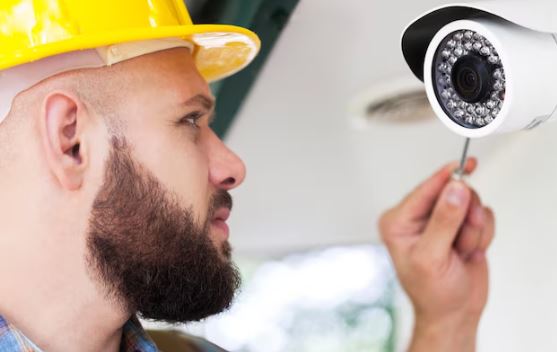
Poor Camera Placement
One of the biggest missteps in any DIY CCTV installation is camera positioning. It’s not enough to just stick a camera on the wall and hope it captures everything. In fact, strategic placement is what separates a usable video recording from useless footage.
Common mistakes include:
- Cameras placed too high or too low, missing critical angles.
- Pointing cameras directly at bright light sources like the sun or outdoor lights, causing lens flare or overexposure.
- Focusing on areas with low risk while ignoring high-risk access points like back doors or garages.
- Obstructed views due to foliage, architecture, or parked vehicles.
The goal is to cover entry points, blind spots, and vulnerable zones without compromising video quality. Every CCTV installer agrees: a camera pointing the wrong way is no better than no camera at all.
Improper Cable Management
The mess behind the monitor matters just as much as the camera in front of the house. DIY installers often overlook proper cable routing, creating a tangled, exposed mess that not only looks unprofessional but also makes the system vulnerable.
Issues include:
- Loose or hanging wires that can be easily unplugged or cut.
- Cables running outside walls without conduit protection, making them easy targets for tampering.
- Long cable runs without amplifiers, leading to video signal degradation.
Messy wiring is more than an eyesore—it’s a security flaw. If the cables are visible and unprotected, anyone can disable the system without even touching the cameras.
Skipping the Network Setup Basics
Many modern CCTV systems are IP-based, meaning they connect to a network and can be accessed remotely. This is where DIY setups frequently fail—because configuring network settings isn’t just a plug-and-play task.
Mistakes that happen:
- Using weak or default passwords, making the system vulnerable to hacking.
- Failing to set up port forwarding properly, preventing remote access.
- Skipping firmware updates, which often patch security vulnerabilities.
- No firewall or network segmentation, exposing the entire home network to potential intrusions.
A properly configured system is secure from both physical and digital threats. Most professional CCTV installers spend more time on the network configuration than on the hardware setup—and for good reason.
Ignoring Lighting Conditions
Lighting dramatically impacts camera performance, especially with cheaper models. A camera that works perfectly during the day might be practically blind at night if lighting isn’t considered.
Some common oversights include:
- No infrared (IR) lighting or insufficient IR range in dark areas.
- Cameras placed indoors facing windows, causing backlighting issues.
- Motion-activated lights that don’t stay on long enough to capture full events.
Nighttime footage is often when a security system is most needed. Installing cameras without testing their performance in various lighting conditions is a recipe for disappointment.
Forgetting About Storage Needs
Video footage is only useful if it’s recorded and accessible. A surprising number of DIY CCTV setups either don’t record properly or run out of storage far too quickly.
Frequent mistakes:
- Relying solely on local microSD cards, which fill up fast and may not overwrite efficiently.
- Not configuring motion detection correctly, leading to constant recording and full hard drives.
- No cloud backup or redundancy, risking total footage loss if the DVR/NVR is damaged or stolen.
CCTV footage is evidence. Without reliable storage, the entire system might fail when it's needed most.
Overlooking Camera Maintenance
Installing the system is just the beginning. Cameras need regular upkeep to stay effective. Unfortunately, most DIYers forget this until it’s too late.
Common neglect includes:
- Dirty lenses that blur footage.
- Misaligned cameras after storms or accidents.
- Firmware never updated, risking bugs or security holes.
A quick monthly check-up can prevent long-term failures. Installers often include this as part of a maintenance package, but for DIY setups, it's often neglected.
Relying on Inadequate Equipment
All cameras are not created equal. Buying based on price alone almost always leads to underperformance. Budget cameras might look okay during the day but completely fail in low-light or high-motion conditions.
Issues faced:
- Low resolution making identification impossible.
- Slow frame rates causing choppy footage.
- Narrow field of view missing key areas.
It’s a classic case of “you get what you pay for.” Some areas can be covered by basic models, but high-risk spots need high-quality gear. Skimping here defeats the purpose of surveillance entirely.
Not Considering Legal and Privacy Concerns
In some regions, there are legal restrictions around where cameras can point, how long footage can be stored, and whether people must be notified of surveillance.
Common violations:
- Cameras pointing into neighbors’ yards or public roads.
- Recording audio without consent, which may be illegal in some jurisdictions.
- Failing to display signs about video surveillance.
Legal trouble can be avoided with a bit of research, but many DIY installers aren’t even aware of these rules until complaints start rolling in.
Lack of Integration with Other Security Measures
A CCTV system doesn’t operate in isolation—it’s part of a bigger security ecosystem. Many DIY setups ignore this and install standalone cameras that aren’t integrated with alarms, lighting, or smart devices.
A few missed opportunities:
- No motion-triggered lights linked to cameras.
- No alerts or push notifications when suspicious activity is detected.
- No smart home integration for remote control and monitoring.
Integration isn’t just cool tech—it’s functional. Cameras should be part of a responsive system, not just silent observers.
Inadequate Testing After Installation
Setting up a camera and seeing a live feed isn’t the final step—it’s just the start. Systems must be tested for real-world performance: motion detection, recording, alert triggers, and remote access.
Typical oversights:
- Not walking through the area to see if motion is detected and recorded properly.
- Assuming notifications work without checking them on multiple devices.
- Not testing different times of day and weather conditions.
Without testing, it's impossible to know whether the system will perform when it really matters.
Underestimating the Value of Professional Guidance
Most importantly, the biggest mistake is thinking a professional CCTV installer is unnecessary. Even with a decent understanding of technology, security systems require a specific skill set to ensure they’re tamper-proof, reliable, and future-proof.
Installers don’t just mount cameras—they plan coverage, secure networks, optimize settings, and test rigorously. The cost of hiring a pro often pales in comparison to the cost of a failed system during a break-in or incident.
Conclusion
DIY CCTV systems may seem like a smart, budget-friendly option, but the devil is in the details. From poor placement to digital vulnerabilities, there are countless ways to get it wrong—and every mistake can compromise security. Learning from professional CCTV installer insights helps avoid the pitfalls and build a system that truly protects.
Security isn't just about having cameras—it's about having the right cameras, in the right places, configured the right way. Skip the guesswork and take the time to do it right—or better yet, get advice from those who’ve seen every mistake in the book.
FAQs
- Can a poorly placed camera affect video quality?
Absolutely. Improper placement can cause glare, miss critical areas, or even point away from the actual zone needing surveillance. - Are wireless CCTV cameras reliable for DIY setups?
They can be, but only with strong Wi-Fi, proper configuration, and network security. Otherwise, they may experience lag, dropouts, or hacking risks. - What’s the biggest mistake in DIY CCTV installations?
Improper camera positioning and poor network setup top the list—both can render a system ineffective in critical moments. - Do all CCTV systems need internet access?
No, but internet access allows for remote viewing, alerts, and cloud backups. Offline systems can still work locally with DVR or NVR recording. - Is it illegal to record audio with CCTV in residential areas?
In many regions, yes—recording audio without consent can breach privacy laws. Always check local regulations before enabling audio features.
Kommentit
Kirjaudu sisään lisätäksesi tähän kommentin